
Health Guide
Insomnia Support Guide
Understanding and overcoming insomnia with evidence-based strategies.
Insomnia affects 30% of adults short-term and 10% chronically. It's not just about not sleeping — it impacts mood, productivity, health, and quality of life. Effective treatments exist.
Types of Insomnia
Onset insomnia (difficulty falling asleep), maintenance insomnia (difficulty staying asleep), and early-morning awakening each have different causes and treatments.
Common Causes
Stress and anxiety, poor sleep habits, medical conditions, medications, caffeine, irregular schedules, and psychological factors like depression or trauma.
CBT-I: The Gold Standard
Cognitive Behavioral Therapy for Insomnia is the first-line treatment, more effective than medication long-term. It addresses thoughts and behaviors that perpetuate insomnia.
Natural Approaches
Sleep restriction therapy, stimulus control, relaxation techniques, magnesium supplementation, and herbal options like valerian root and passionflower.
When to Seek Help
If insomnia persists beyond 3 months, significantly impacts daily function, or is accompanied by other symptoms, consult a sleep specialist.
Recommended Products
Relevant picks from our current product catalog. Compare features and suitability before buying.

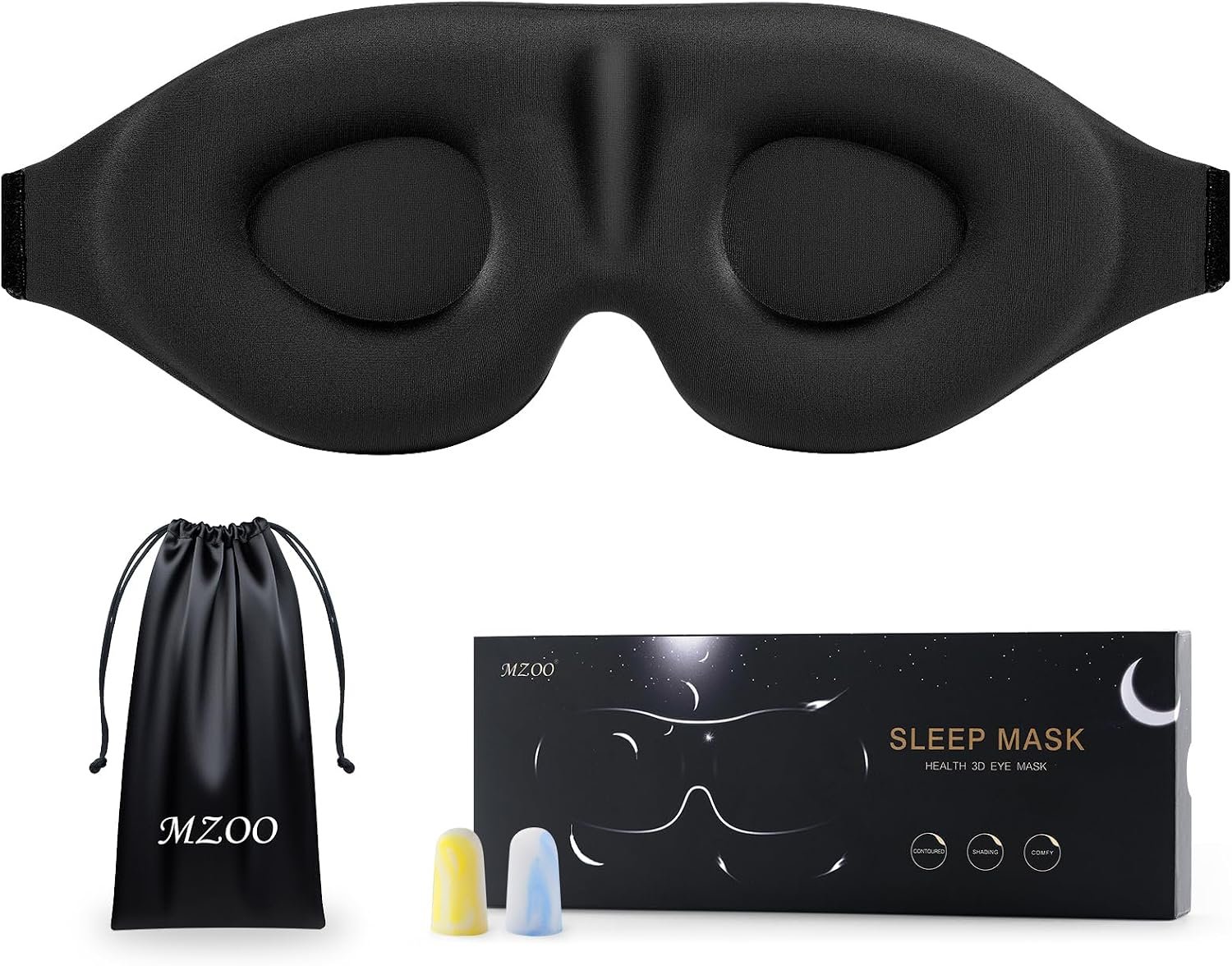
We may earn a commission from qualifying purchases at no extra cost to you. Prices and availability may change on Amazon.
Frequently Asked Questions
Related Guides
About this guide
About the author
Alfredo Kofman is the independent publisher and editor of SleepSolutions.com. He organizes each guide around authoritative sources, clear safety boundaries, and transparent product disclosures. He is not a physician or sleep specialist, and this guide has not been presented as clinician-reviewed.
Disclaimer: This content is for informational purposes only and is not medical advice. Always consult a qualified healthcare professional for diagnosis and treatment.