Snoring Guide
Effective Snoring Solutions
From anti-snoring devices to lifestyle adjustments — find what works for you.
Snoring happens when airflow makes relaxed tissues in the upper airway vibrate during sleep. It is common and is not always dangerous, but frequent loud snoring—especially with breathing pauses, gasping, or daytime sleepiness—can be a sign of obstructive sleep apnea and deserves medical evaluation.
What Causes Snoring?
Snoring begins when a narrowed airway makes tissues in the nose, soft palate, throat, or tongue vibrate. Sleep position, nasal blockage, alcohol or sedating medicines, body anatomy, age, and body weight can contribute, and more than one factor may be involved.
Rule Out Sleep Apnea First
Ask a bed partner about pauses, choking, gasping, or repeated awakenings, and pay attention to morning headaches, unrefreshing sleep, and daytime sleepiness. Snoring volume cannot diagnose the problem. A clinician may use your history, an examination, and a home or laboratory sleep study. Seek prompt help when sleepiness makes driving or work unsafe.
Match the Fix to the Likely Cause
Nasal stuffiness, back sleeping, alcohol, smoking, jaw or throat anatomy, and body weight call for different approaches. Keep a short record of position, alcohol, congestion, snoring reports, and daytime symptoms. Change one factor at a time so you can tell whether it helped, and do not let a product trial delay evaluation of warning signs.
Lifestyle and Position Changes
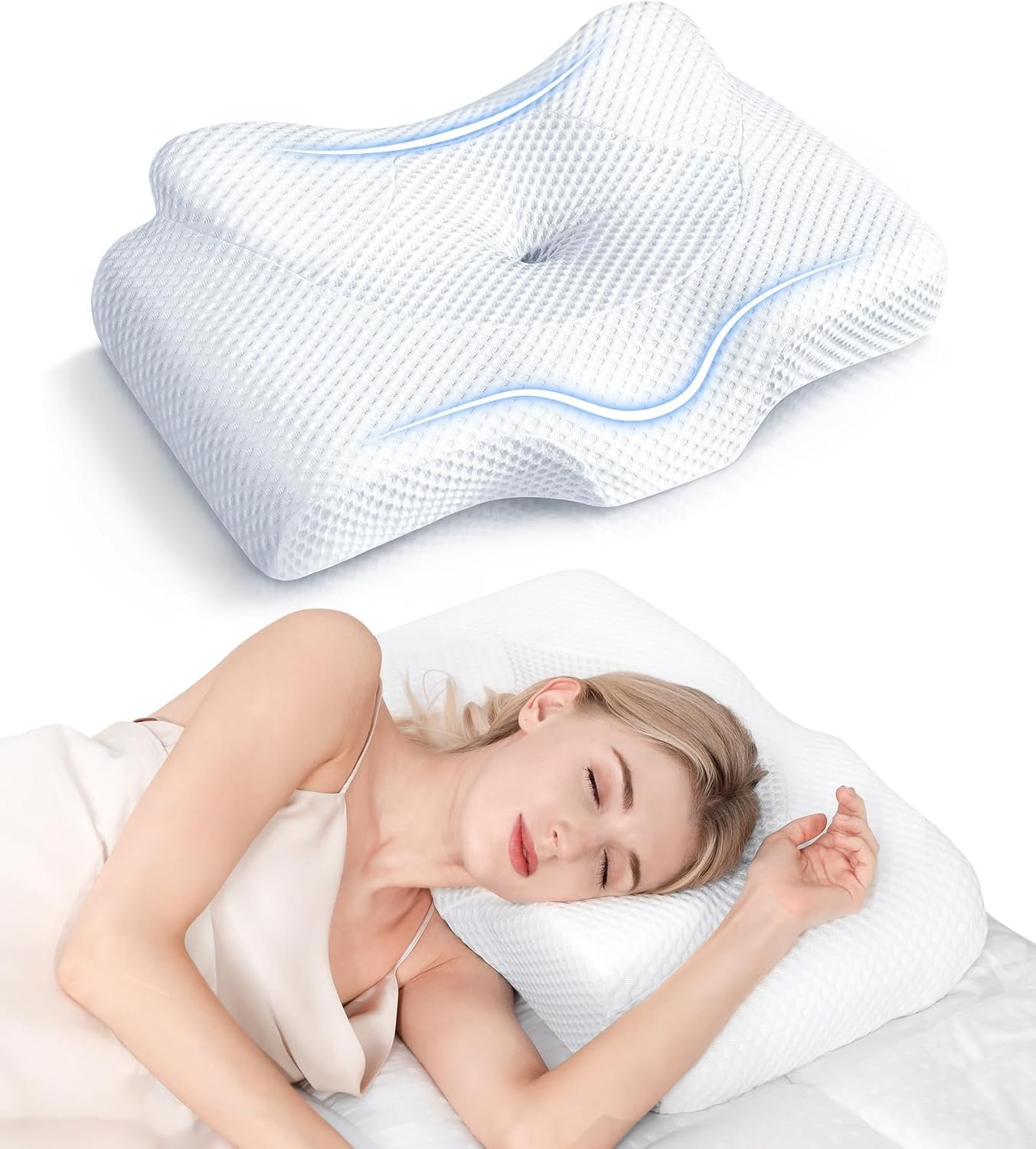
Side sleeping may help when snoring is strongly positional. Limiting alcohol near bedtime, avoiding smoking, protecting enough sleep time, and discussing weight support when appropriate may also help selected people. Never stop a prescribed sedating medicine without speaking with its prescriber.
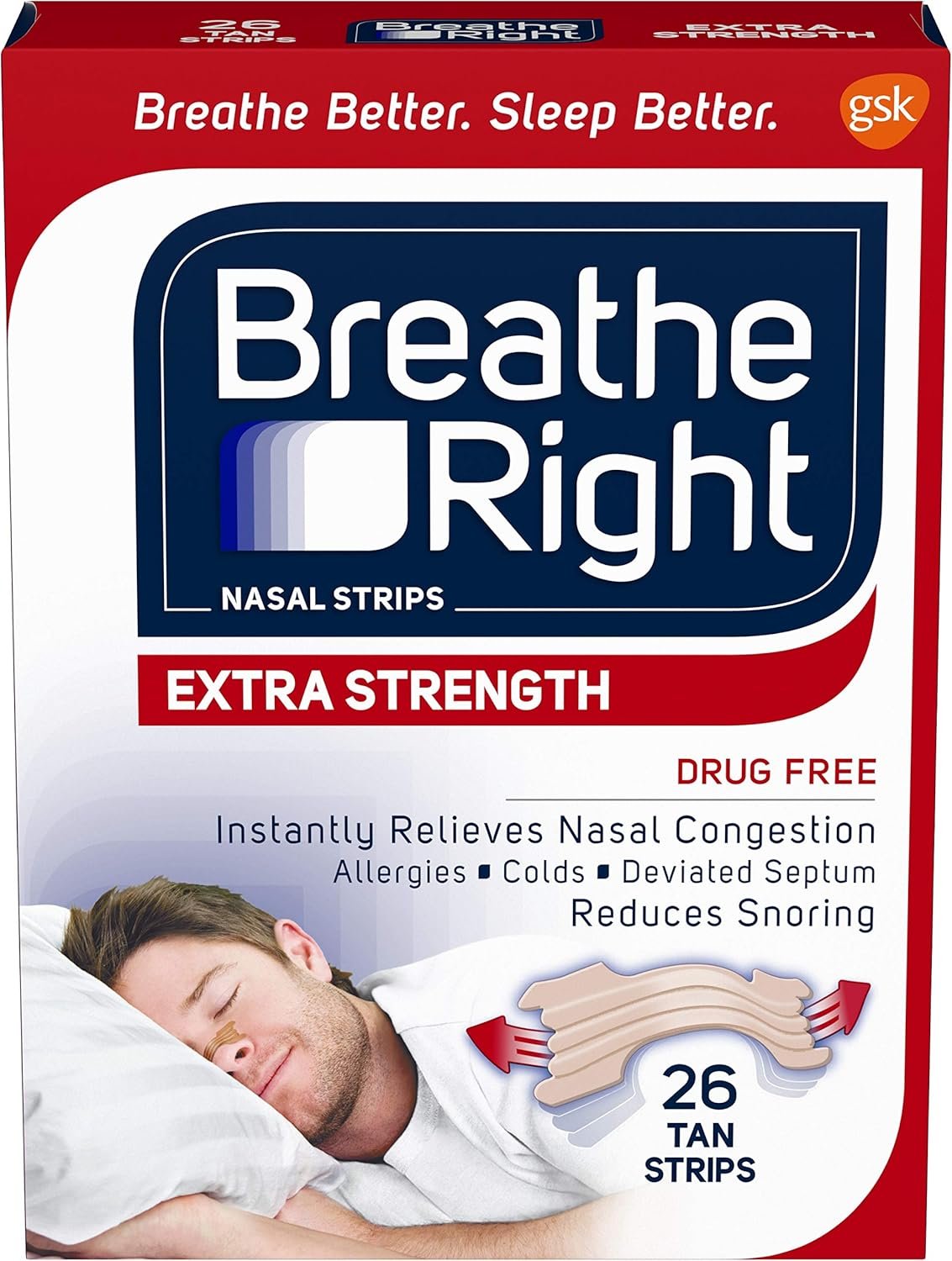
Nasal Strips and Dilators
External strips and internal dilators aim to widen the nasal entrance. They may be worth a cautious trial when nasal resistance is the main issue, but they do not open a collapsed throat and are not treatment for obstructive sleep apnea. Persistent congestion may need allergy or ear-nose-throat assessment.
Oral Appliances
A mandibular advancement device holds the lower jaw forward to increase airway space. The AASM and American Academy of Dental Sleep Medicine recommend a qualified dentist and a custom, titratable appliance when oral-appliance therapy is prescribed. Fit, jaw comfort, bite changes, and effectiveness require follow-up.
Medical Treatment Options
When testing confirms sleep apnea, treatment may include positive airway pressure, an oral appliance, or another diagnosis-specific plan. Nasal disease may need medication or surgery; selected anatomical obstruction may lead to a procedure. The useful question is not which treatment is most dramatic, but which addresses the documented obstruction with acceptable risk.
A Practical Two-Week Trial
If no warning signs are present, choose one low-risk change, define what improvement means, and track it for about two weeks. A partner report or recording can supplement how you feel, but an app cannot rule out apnea. Stop a device that causes pain, breathing difficulty, skin injury, or worsening sleep, and escalate persistent symptoms to a professional.
Recommended Products
Relevant picks from our current product catalog. Compare features and suitability before buying.
We may earn a commission from qualifying purchases at no extra cost to you. Prices and availability may change on Amazon.
Frequently Asked Questions
Sources & further reading
These authoritative resources informed the health guidance in this article.
About this guide
About the author
Alfredo Kofman is the independent publisher and editor of SleepSolutions.com. He organizes each guide around authoritative sources, clear safety boundaries, and transparent product disclosures. He is not a physician or sleep specialist, and this guide has not been presented as clinician-reviewed.
Disclaimer: This content is for informational purposes only and is not medical advice. Always consult a qualified healthcare professional for diagnosis and treatment.