If you're struggling to sleep better, the best place to start is often with your daily habits. Good sleep hygiene means creating routines and an environment that help your body naturally recognize when it is time to sleep.
For many people, improving sleep does not begin with pills or complicated treatments. Simple changes such as following a regular sleep schedule, getting enough daylight during the day, reducing caffeine, and creating a comfortable bedroom can make a noticeable difference.
Build Better Sleep Habits During the Day
What you do during the day can have a major effect on how well you sleep at night.
- Wake up at roughly the same time every day. A consistent wake-up time helps regulate your body's internal clock, including on weekends.
- Get natural light in the morning. Morning sunlight can help your body stay synchronized with the natural day-and-night cycle.
- Stay physically active. Regular exercise can improve sleep quality, although intense workouts immediately before bed may make it harder for some people to relax.
- Watch your caffeine intake. Coffee, tea, energy drinks, and other sources of caffeine can remain in your system for hours, so consider reducing them later in the day.
- Be careful with alcohol. Alcohol may make you feel sleepy at first, but it can interfere with sleep quality and cause you to wake during the night.
Create a Relaxing Bedtime Routine
Your brain can learn to associate certain activities with sleep. Creating a predictable routine before bed can make it easier to wind down.
- Reduce screen time before sleeping. Try putting away your phone, computer, and other bright screens around an hour before bedtime.
- Keep your bedroom comfortably cool. Many people sleep better in a slightly cool room rather than a warm one.
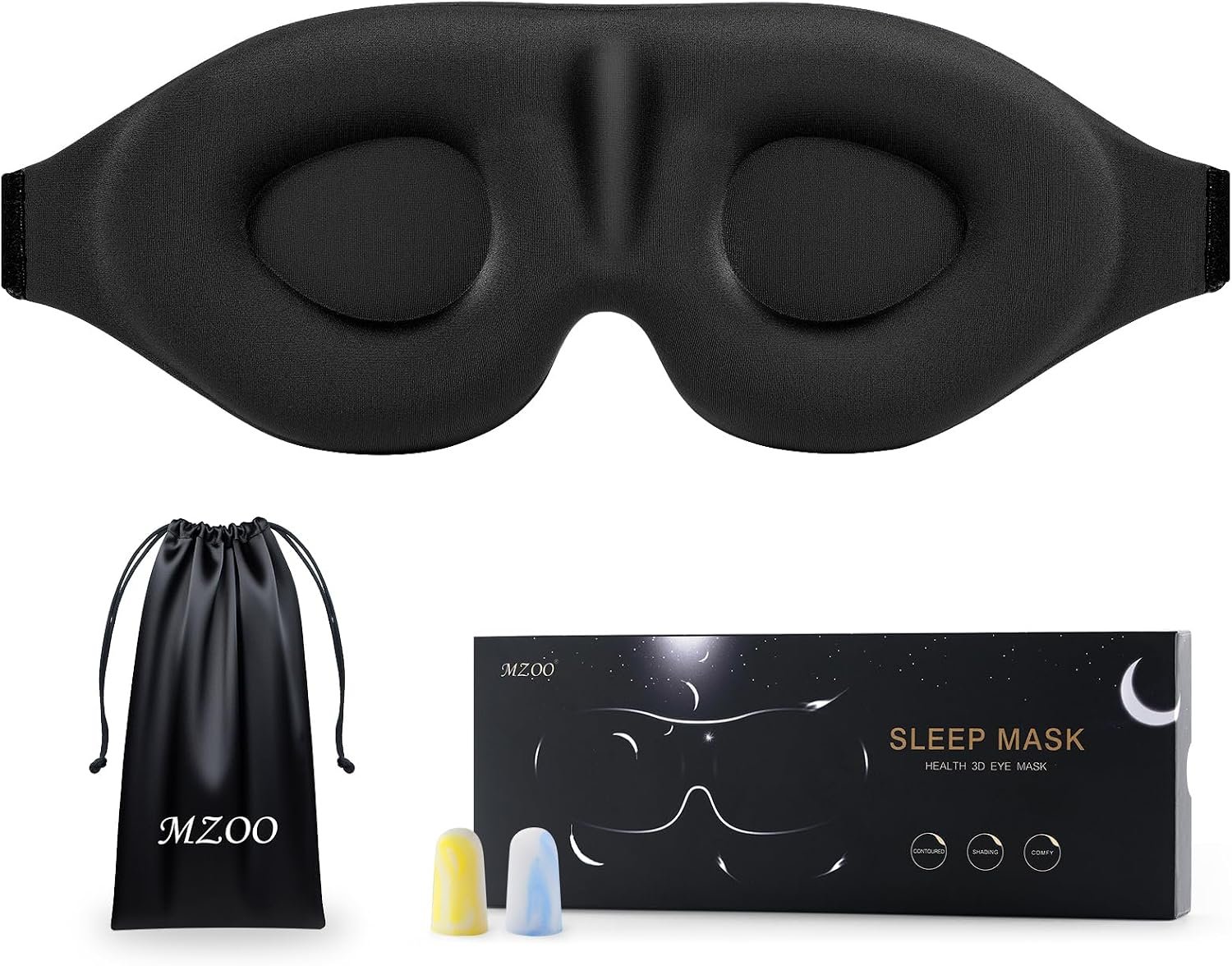
- Make your sleeping area as dark as possible. Blackout curtains, blinds, or an eye mask can help reduce unwanted light.
- Reduce unnecessary noise. A quiet environment can make falling asleep and staying asleep easier.
- Choose relaxing activities before bed. Reading, gentle stretching, breathing exercises, or listening to calm music can help your body transition toward sleep.
What If You Can't Fall Asleep?
Trying to force yourself to sleep can sometimes make the problem worse. If you have been lying awake for a while, consider getting out of bed and doing something quiet and relaxing in low light. Return to bed when you begin to feel sleepy again.
The goal is to teach your brain that your bed is primarily a place for sleep rather than a place for worrying, scrolling through your phone, or staying awake for long periods.
So, What Is the Best Solution for Better Sleep?
There is no single solution that works for everyone, but consistent sleep habits are one of the best foundations for better sleep.
Start with the basics:
- Keep a regular sleep and wake schedule.
- Get daylight and physical activity during the day.
- Limit caffeine later in the day.
- Reduce screens before bedtime.
- Keep your bedroom cool, dark, quiet, and comfortable.
- Develop a relaxing routine that you can repeat every night.
Small improvements practiced consistently can be more effective than constantly searching for a quick sleep fix.