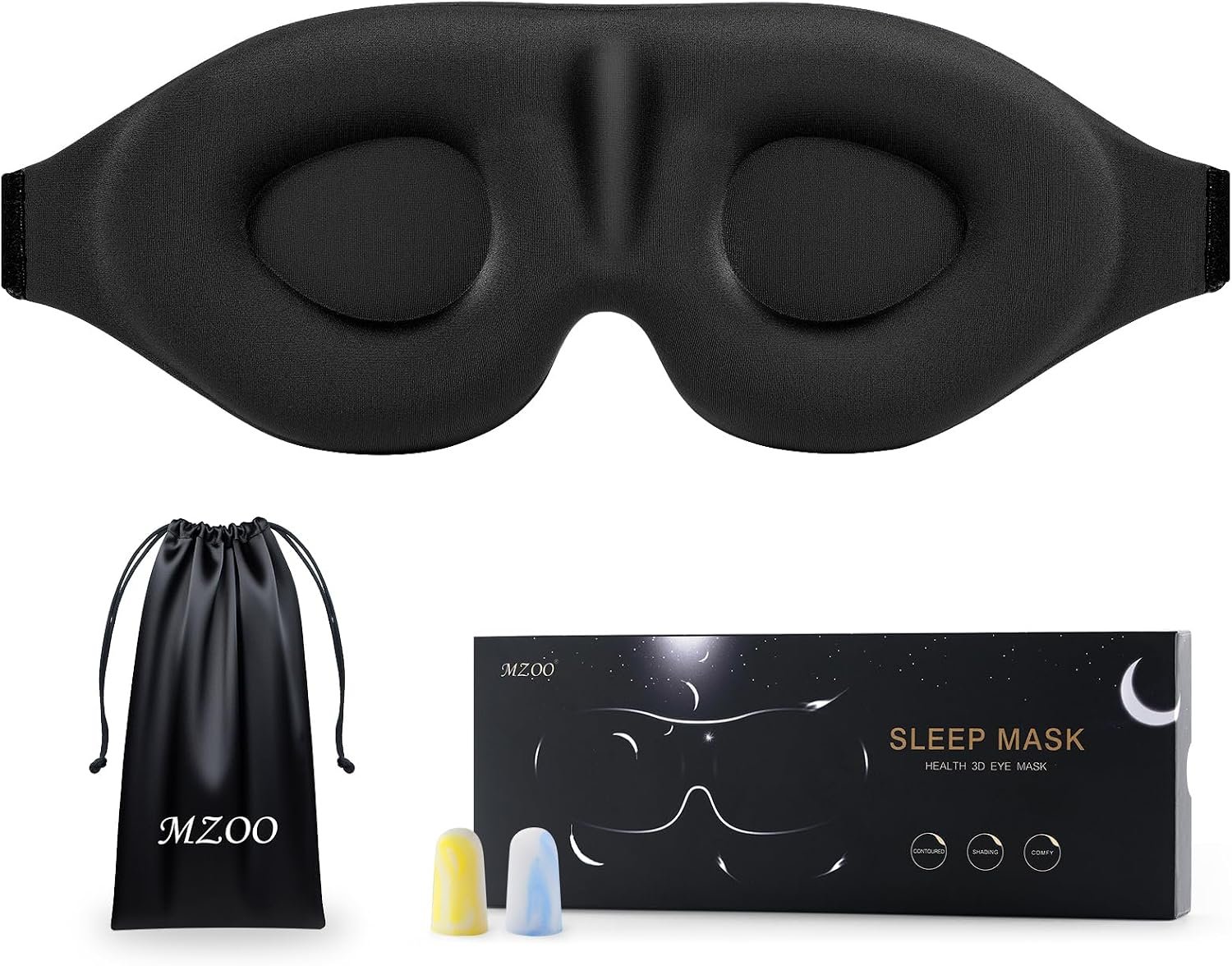
Sleep Health
Sleep Hygiene Tips
Science-backed habits for consistently better, deeper sleep.
Sleep hygiene is the set of daily habits and bedroom conditions that give sleep a fair chance. It can remove common obstacles, but it is not a cure-all: persistent insomnia, sleep apnea, restless legs, pain, and mood disorders may need diagnosis and targeted treatment.
Consistent Schedule
Keep bedtime and wake time as steady as practical, including on weekends. A repeatable schedule supports the body's sleep-wake rhythm, but it must still allow enough time for sleep.
Pre-Sleep Routine
Use the final 30-60 minutes before bed for lower light and quieter activities such as reading, gentle stretching, or a warm bath. Choose a simple routine you can repeat without pressure.
Optimize Your Environment
Keep the bedroom dark, quiet, comfortably cool, and free from avoidable interruptions. Adjust bedding, devices, light, and sound to your comfort and safety needs.
Watch What You Consume
Move caffeine earlier based on your sensitivity, avoid using alcohol as a sleep aid, and give large meals time to settle. Hydrate through the day instead of catching up at bedtime.
Daytime Habits Matter
Daytime light, regular physical activity, thoughtful nap timing, and stress management can support nighttime sleep. Adjust exercise timing if late intense activity keeps you alert.
Anchor the Morning With Light
Light after waking helps reinforce the active part of the body clock. Open the curtains or spend time outdoors when practical, especially if your schedule has drifted late. Reduce bright light during the intended sleep period, while keeping pathways safe for anyone at risk of falls.
Use the Bed as a Sleep Cue
Working, scrolling, and watching stressful content in bed can blur the connection between bed and sleep. When possible, reserve it for sleep and intimacy. If you are awake and frustrated, a quiet activity outside bed until sleepiness returns may be more useful than trying harder.
Change One Variable at a Time
Track bedtime, wake time, estimated awakenings, naps, caffeine, alcohol, exercise, and daytime function for one to two weeks. Pick the most obvious obstacle first and keep the experiment manageable. A single bad night is noise; look for a repeatable pattern.
Know When Sleep Hygiene Is Not Enough
Chronic insomnia often responds better to cognitive behavioral therapy for insomnia (CBT-I) than to general tips alone; the American College of Physicians recommends CBT-I as initial treatment for chronic insomnia in adults. Seek evaluation for breathing pauses, gasping, significant daytime sleepiness, persistent restless legs, or unusual nighttime behavior.
Recommended Products
Relevant picks from our current product catalog. Compare features and suitability before buying.
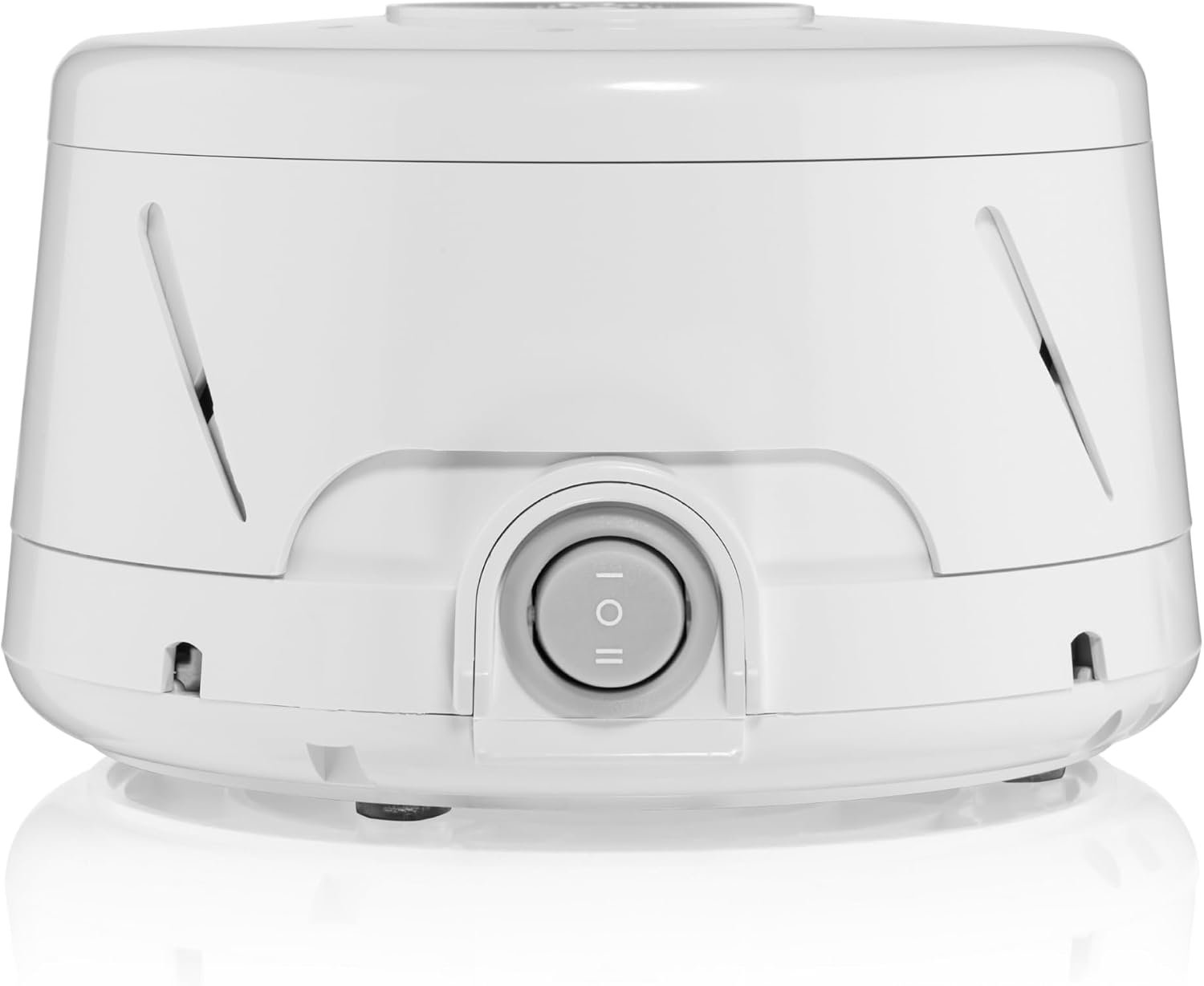
Yogasleep Dohm Classic White Noise Machine
View on Amazon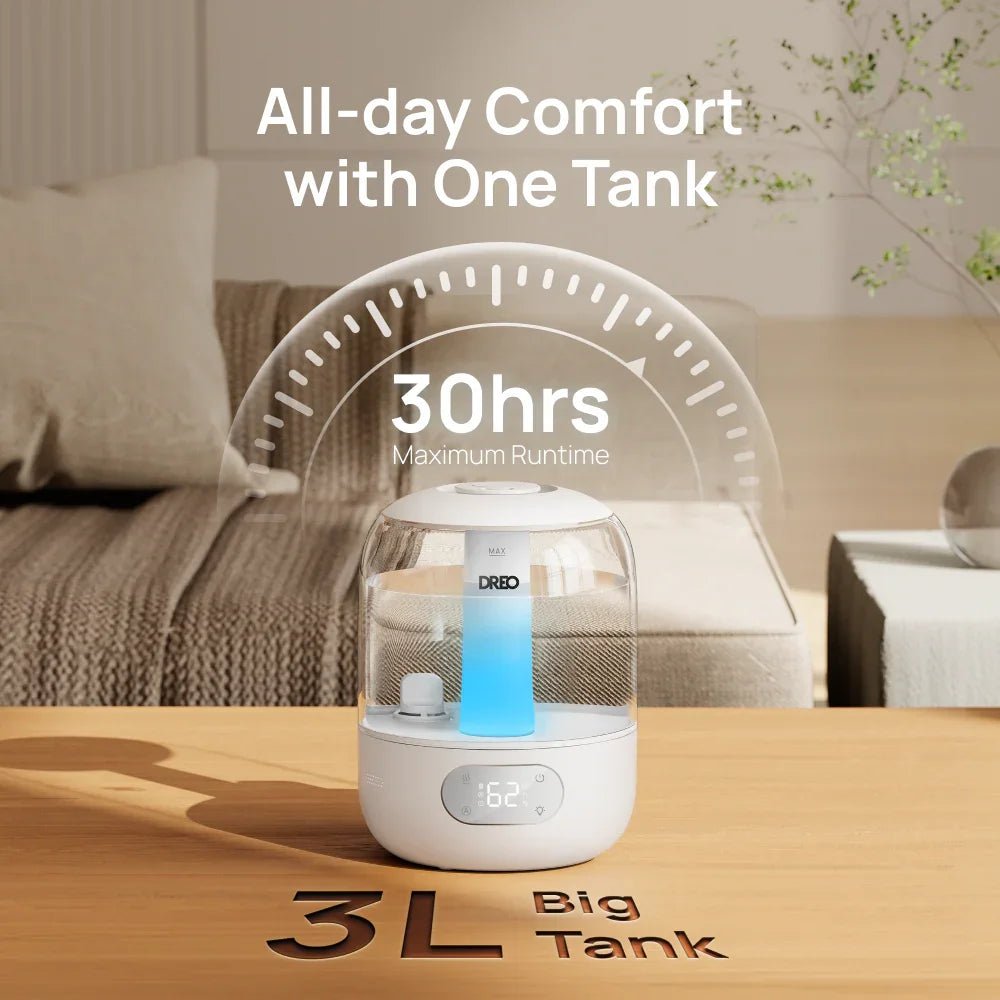
DREO HM306 3L Cool Mist Humidifier
View on AmazonWe may earn a commission from qualifying purchases at no extra cost to you. Prices and availability may change on Amazon.
Frequently Asked Questions
Sources & further reading
These authoritative resources informed the health guidance in this article.
About this guide
About the author
Alfredo Kofman is the independent publisher and editor of SleepSolutions.com. He organizes each guide around authoritative sources, clear safety boundaries, and transparent product disclosures. He is not a physician or sleep specialist, and this guide has not been presented as clinician-reviewed.
Disclaimer: This content is for informational purposes only and is not medical advice. Always consult a qualified healthcare professional for diagnosis and treatment.