Complete Guide
How to Sleep Better
Your comprehensive guide to achieving deeper, more restorative sleep every night.
Sleeping better usually comes from fixing the strongest obstacle, not collecting dozens of bedtime hacks. Start with enough time for sleep, a stable schedule, useful light exposure, and a bedroom that reduces interruptions; then use a short experiment to learn what actually changes your nights and days.
Understanding Sleep Cycles
Sleep moves through repeating non-REM and REM phases, with each cycle typically lasting about 80 to 100 minutes. Most people complete four to six cycles per night, with more deep sleep earlier and more REM sleep later.
Create a Sleep Sanctuary
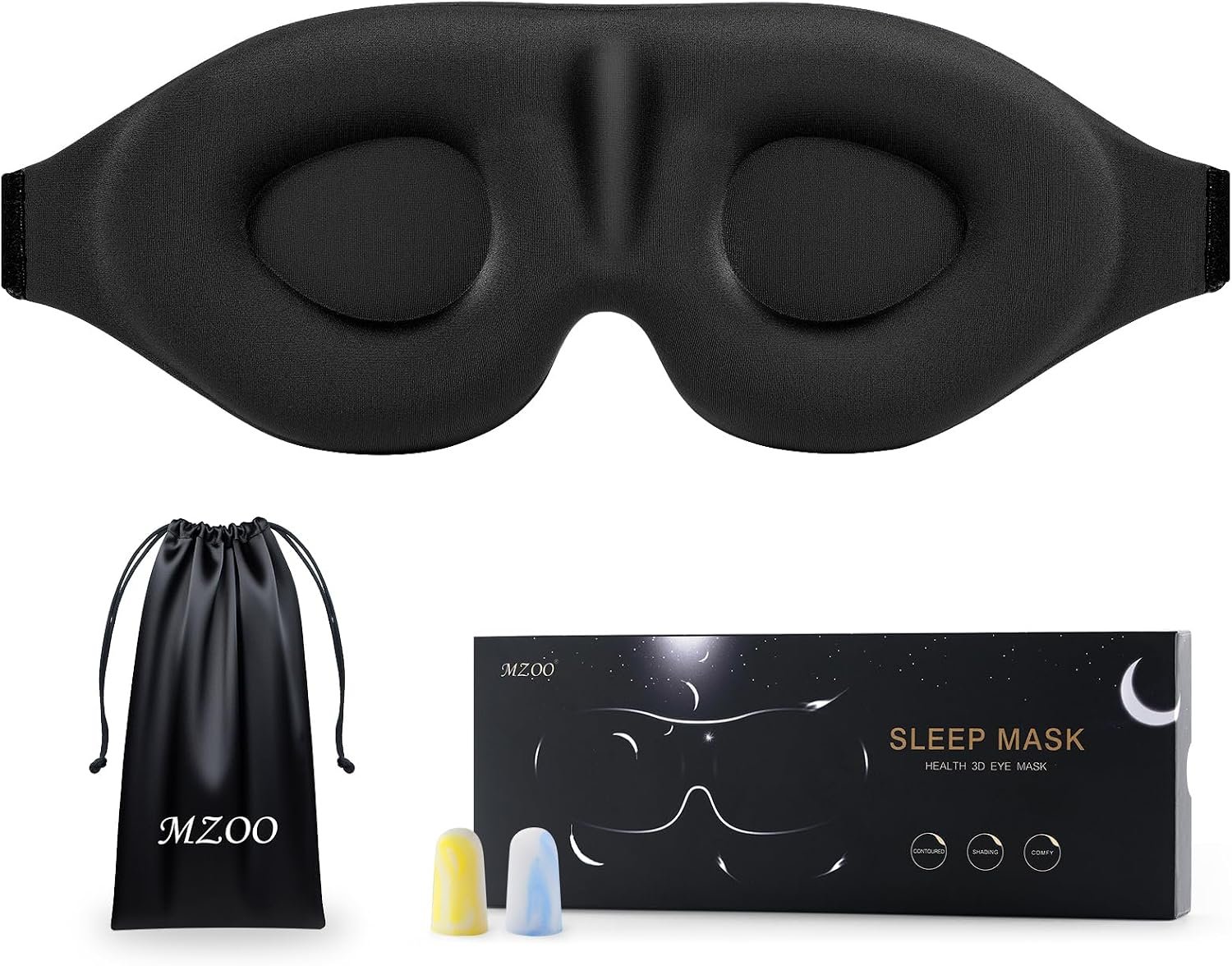
A sleep-supportive bedroom is comfortably cool, dark, quiet, and free from unnecessary interruptions. The right setup makes it easier to associate your room with rest.
Master Your Routine
A consistent wake time and a calm wind-down routine help reinforce your sleep-wake rhythm. Simple, repeatable cues are more useful than a complicated ritual you cannot sustain.
Nutrition & Timing
Meal size, caffeine, nicotine, and alcohol can all affect sleep. Thoughtful timing and a balanced daily eating pattern are more reliable than relying on a single so-called sleep food.
Exercise & Daylight
Regular physical activity and daytime light exposure can support a stronger body clock and healthier sleep. The ideal exercise time depends on how your own sleep responds.
Protect Enough Sleep Opportunity
Adults should generally get at least seven hours of sleep, although individual needs vary. Work backward from a realistic wake time and reserve a window that includes time to wind down and fall asleep. A perfectly consistent schedule cannot compensate for repeatedly cutting the night short.
Start With a Stable Wake Time
Wake time is usually more controllable than the exact minute you fall asleep. Keep it reasonably steady on workdays and days off, then get daylight and begin normal activity after waking. If you need large weekend catch-up sleep every week, your weekday sleep opportunity may be too short.
Handle Wakefulness Without a Battle
Trying to force sleep can increase frustration and alertness. If you are wide awake, stop clock-watching and choose a quiet, dim-light activity until sleepiness returns. Repeated difficulty falling or staying asleep is not a personal failure and may need CBT-I rather than more sleep-hygiene rules.
Run a Two-Week Sleep Experiment
Record your sleep window, estimated awakenings, naps, caffeine and alcohol timing, exercise, and how sleepy or alert you feel during the day. Change one or two factors, not everything at once. Review the pattern after roughly two weeks, keeping in mind that a consumer tracker estimates rather than diagnoses sleep stages.
Know the Red Flags
Talk with a healthcare professional about loud snoring with pauses or gasping, persistent insomnia, uncomfortable urges to move the legs, unusual behavior during sleep, morning headaches, or sleepiness that affects driving and work. These problems are not solved by a sound machine, supplement, or stricter routine alone.
Recommended Products
Relevant picks from our current product catalog. Compare features and suitability before buying.
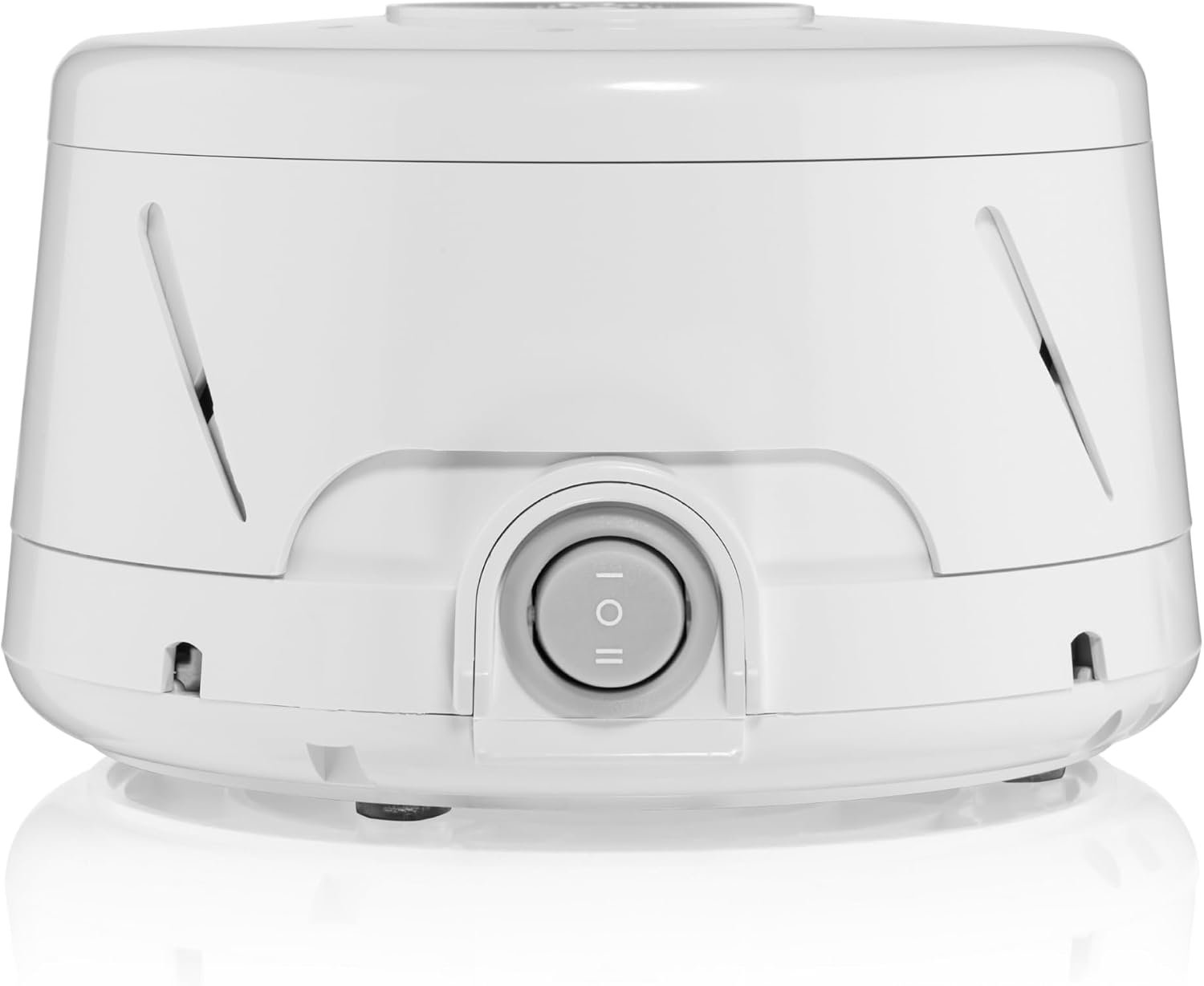
Yogasleep Dohm Classic White Noise Machine
View on Amazon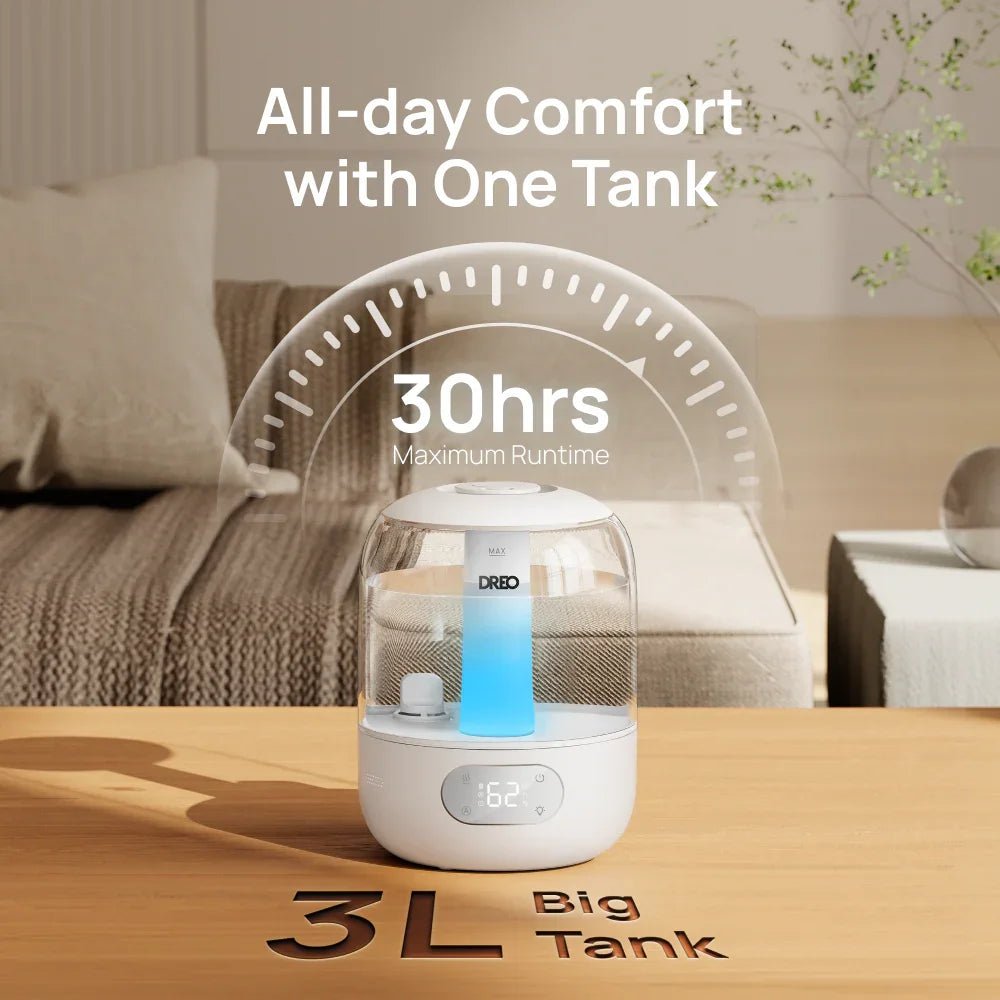
DREO HM306 3L Cool Mist Humidifier
View on AmazonWe may earn a commission from qualifying purchases at no extra cost to you. Prices and availability may change on Amazon.
Frequently Asked Questions
Sources & further reading
These authoritative resources informed the health guidance in this article.
Related Guides
About this guide
About the author
Alfredo Kofman is the independent publisher and editor of SleepSolutions.com. He organizes each guide around authoritative sources, clear safety boundaries, and transparent product disclosures. He is not a physician or sleep specialist, and this guide has not been presented as clinician-reviewed.
Disclaimer: This content is for informational purposes only and is not medical advice. Always consult a qualified healthcare professional for diagnosis and treatment.