Trending Topic
Mouth Taping & Sleep Guide
What the science says about this viral sleep trend — benefits, risks, and how to try it safely.
Mouth taping during sleep has gained popularity as a way to encourage nasal breathing, reduce snoring, and improve sleep quality. But is it safe and effective?
How It Works
A small piece of porous tape is placed over the lips to encourage nasal breathing during sleep. Nasal breathing filters, humidifies, and warms air, and produces nitric oxide.
Potential Benefits
Proponents report reduced snoring, less dry mouth, improved CPAP compliance, better oxygen exchange, and reduced sleep apnea symptoms. However, clinical evidence is still limited.
Safety Concerns
Do NOT try mouth taping if you have nasal obstruction, severe sleep apnea, or breathing difficulties. Always consult a doctor first. Use only tape designed for skin.
How to Try It Safely
Start with a small vertical strip, not full coverage. Use hypoallergenic, porous tape designed for skin. Try during the day first to ensure comfortable nasal breathing.
Recommended Products
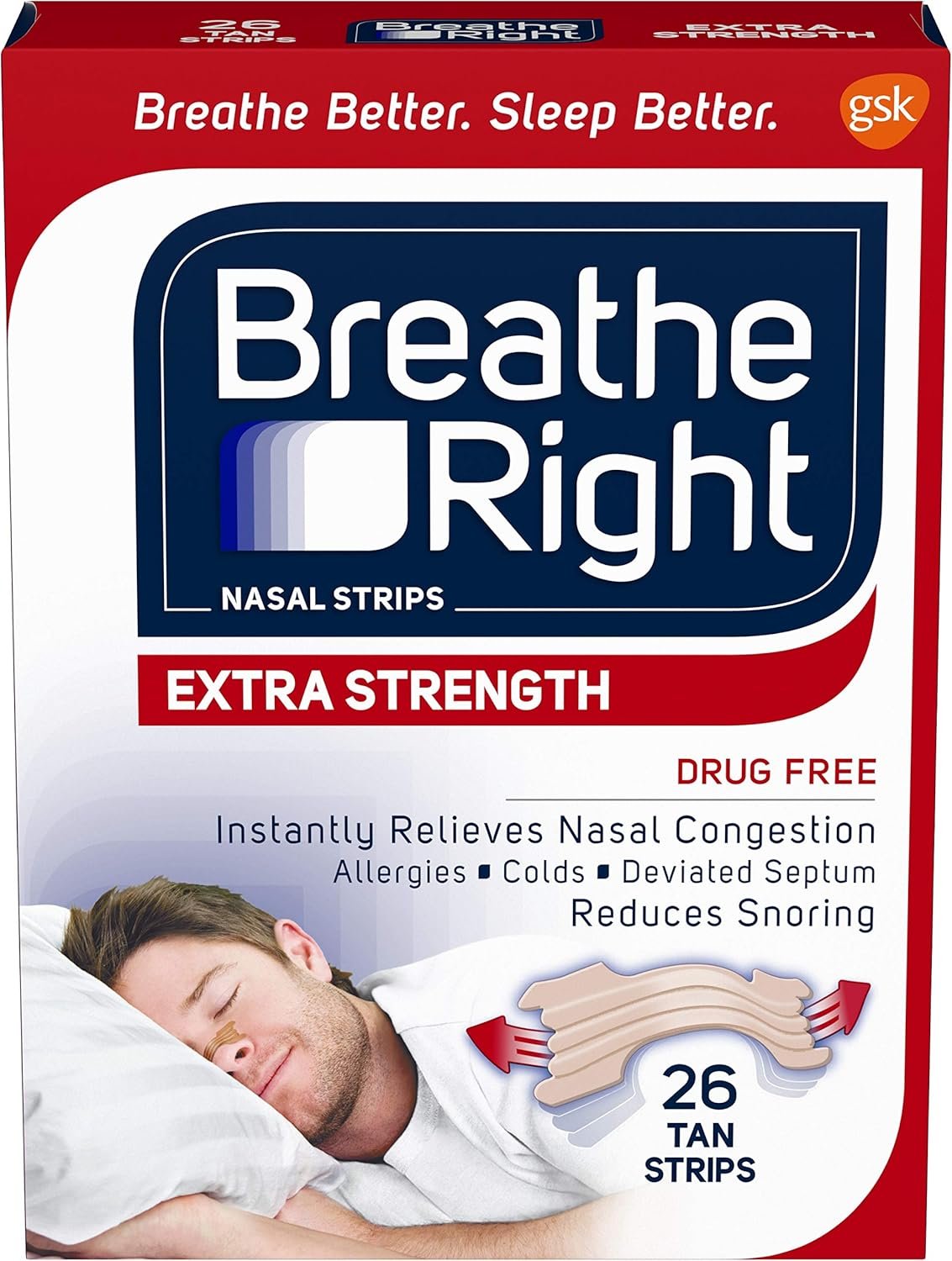
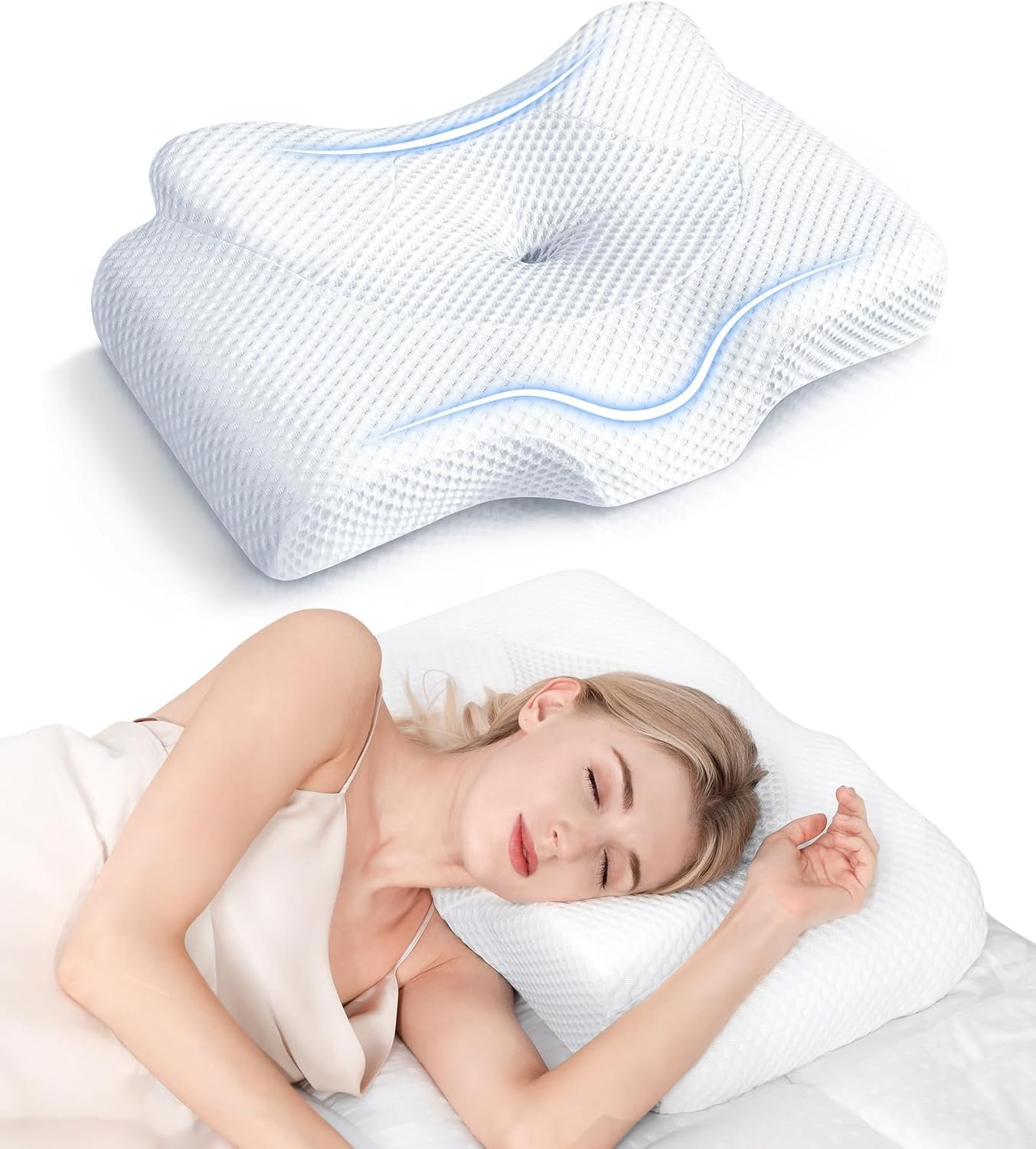
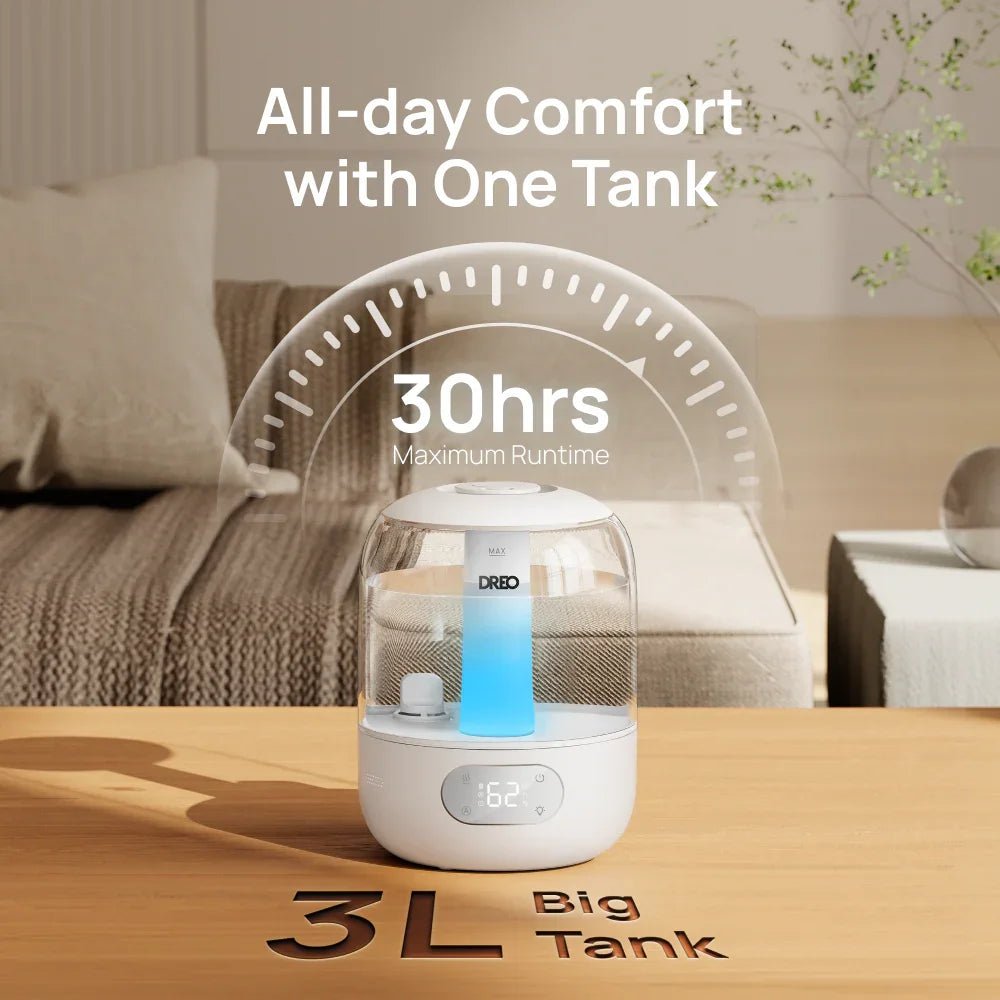
Relevant picks from our current product catalog. Compare features and suitability before buying.
We may earn a commission from qualifying purchases at no extra cost to you. Prices and availability may change on Amazon.
Frequently Asked Questions
Related Guides
About this guide
About the author
Alfredo Kofman is the independent publisher and editor of SleepSolutions.com. He organizes each guide around authoritative sources, clear safety boundaries, and transparent product disclosures. He is not a physician or sleep specialist, and this guide has not been presented as clinician-reviewed.
Disclaimer: This content is for informational purposes only and is not medical advice. Always consult a qualified healthcare professional for diagnosis and treatment.