Blackout Curtain Installation
Install Blackout Curtains Without Light Gaps
Plan the overlap, support the curtain weight, protect window function, and test the result in real daylight.
Written by Alfredo Kofman, Publisher & EditorEditorial standards
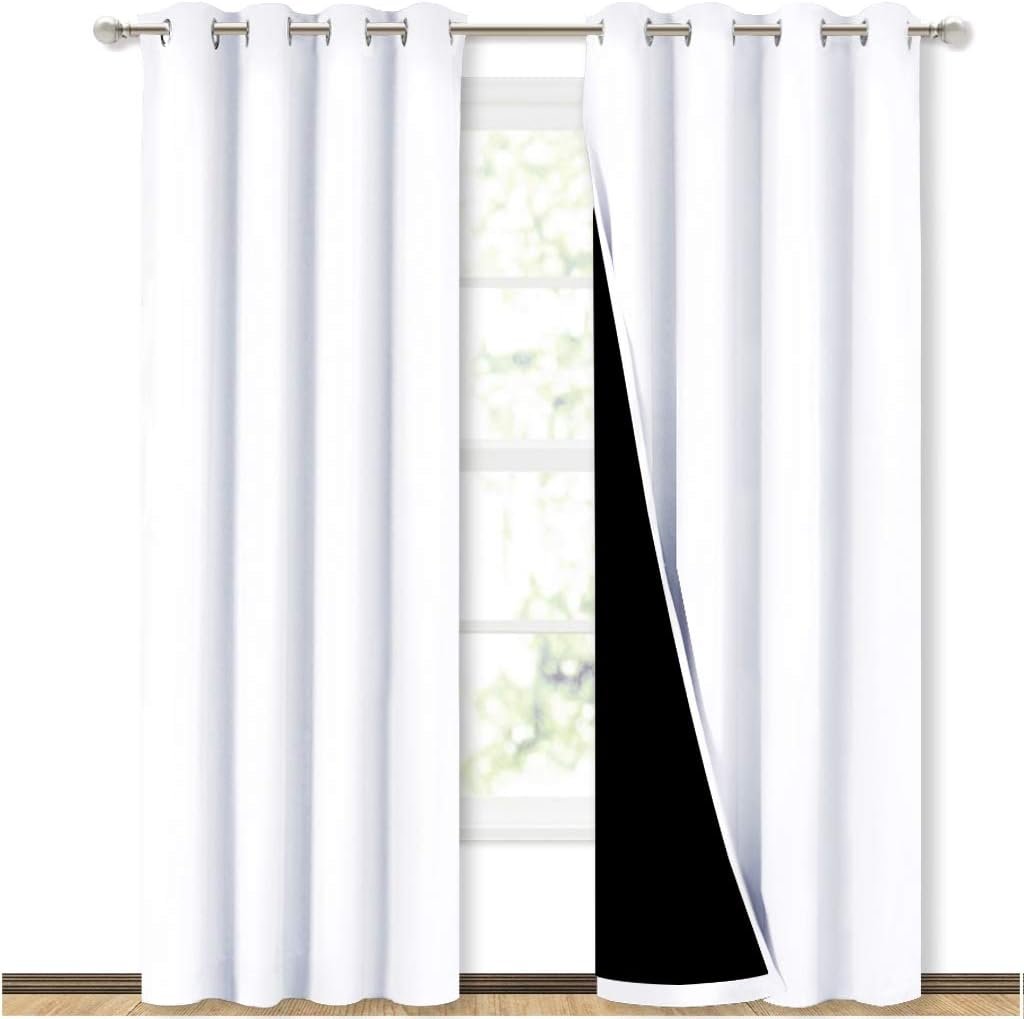
Curtain fabric can be highly opaque while the finished room remains bright because light travels over the rod and around the panel edges. A careful installation creates overlap without damaging the wall, blocking required ventilation, or introducing cord and access hazards.
Map the Light Before Measuring
Close the existing covering during the brightest part of the day and note light above, below, and at both sides. Check handles, trim, vents, radiators, air conditioners, alarms, and furniture. Decide whether an inside or outside mount can cover the leaks while keeping the window usable.
Measure the Coverage Area
Measure width and height at more than one point because frames and walls may not be perfectly square. For an outside mount, include intentional overlap beyond every edge. Confirm the finished panel width provides fullness rather than pulling tightly across the window.
Choose a Rod or Track That Controls the Edges
A wraparound rod returns the panels toward the wall and can reduce side glow. A ceiling or wall track may give closer top coverage. Check projection so the fabric clears handles and trim, and verify that the rod or track is rated for the combined curtain weight.
Use the Right Fasteners
Locate framing where practical and use anchors designed for the wall material and expected load when a stud is unavailable. Follow hardware instructions and avoid drilling where electrical wiring or plumbing may be present. Renters should obtain permission before making holes or using adhesive products.
Close Gaps Without Creating New Hazards
Overlap center panels and use removable side retention only if it will not damage surfaces or trap anyone during an emergency. Do not cover heaters, block required vents, interfere with window egress, or let fabric contact a heat source. Preserve access needed for cleaning and condensation checks.
Install Corded Hardware Safely
Use cordless systems when young children are present. If a compliant continuous-loop control is unavoidable, install the supplied tension device exactly as directed and keep furniture, beds, cribs, and toys away. Tying a cord up does not eliminate the hazard.
Test in Daylight and Adjust
Close the curtains at the brightest relevant time, wait for your eyes to adapt, and mark the remaining leaks. Adjust panel position, overlap, rod returns, or a complementary shade before replacing the whole system. Recheck brackets and safety hardware periodically.
Recommended Products
Relevant picks from our current product catalog. Compare features and suitability before buying.
We may earn a commission from qualifying purchases at no extra cost to you. Prices and availability may change on Amazon.
Frequently Asked Questions
Sources & further reading
These authoritative resources informed the health guidance in this article.
About this guide
About the author
Alfredo Kofman is the independent publisher and editor of SleepSolutions.com. He organizes each guide around authoritative sources, clear safety boundaries, and transparent product disclosures. He is not a physician or sleep specialist, and this guide has not been presented as clinician-reviewed.
Disclaimer: This content is for informational purposes only and is not medical advice. Always consult a qualified healthcare professional for diagnosis and treatment.