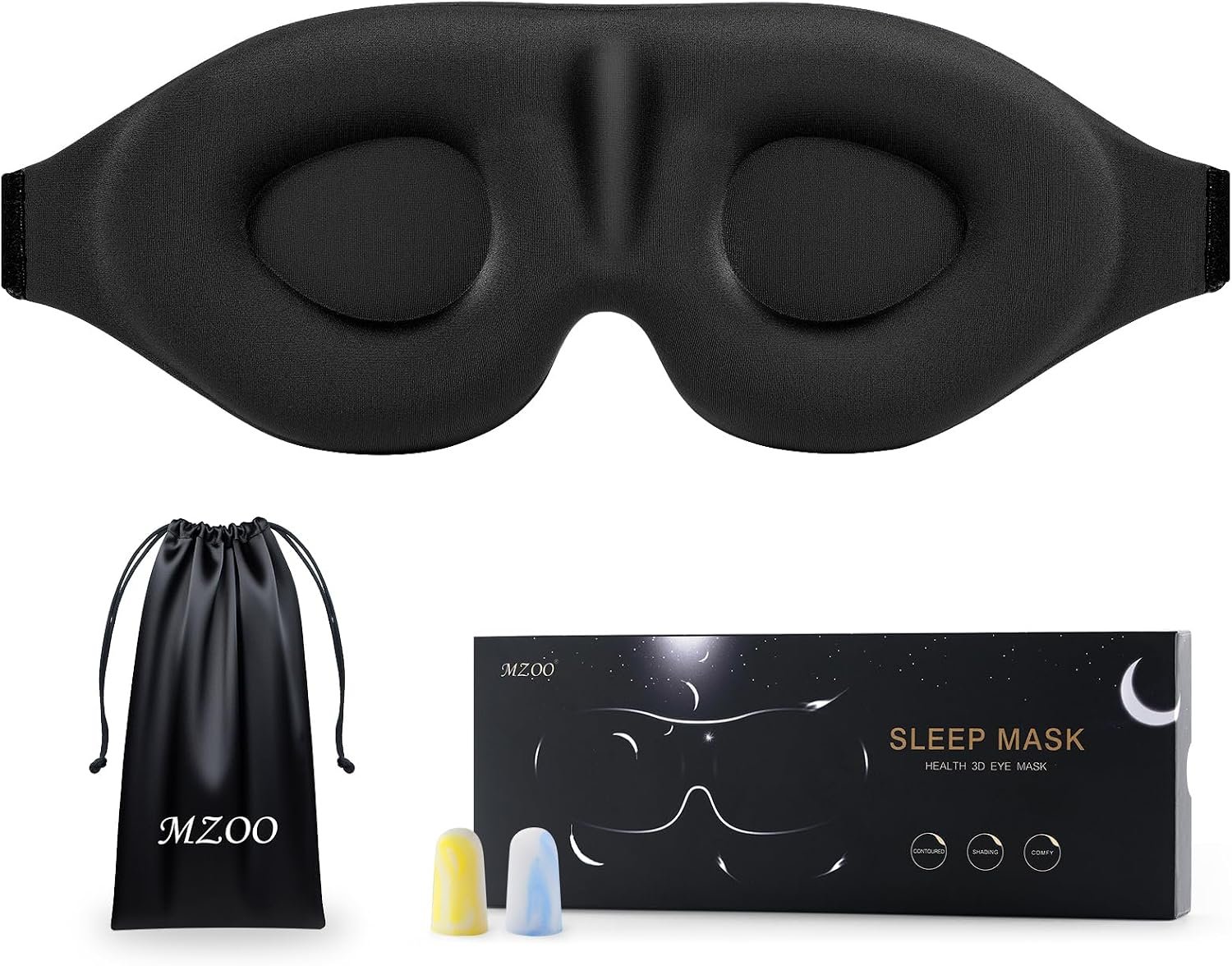
Light and Sleep Guide
Why Darkness Matters for Sleep
Use darkness during sleep and brighter light after waking as complementary signals for the body clock.
Written by Alfredo Kofman, Publisher & EditorEditorial standards
The eyes send light information to the brain's circadian system, helping organize times for alertness and sleep. Reducing unwanted light during the intended sleep period can help, but darkness is only one part of healthy sleep and should be balanced with safety and useful light exposure after waking.
Light Is a Timing Signal
The circadian clock responds to the daily pattern of light and dark. Bright light late in the evening or during the night can signal wakefulness, while light after waking can support alertness and help anchor the sleep-wake schedule. Timing, brightness, duration, and individual sensitivity all matter.
Reduce Unwanted Bedroom Light
Start with controllable sources: turn off unnecessary lamps, cover bright indicators, silence or face down screens, and block outdoor light that reaches the eyes. Opaque curtains, shades, or an eye mask can help when streetlights, headlights, or early sunrise enter the room.
Pay Attention to Edge Leakage
Even an opaque curtain may leave bright strips above, below, or beside the window. Wider panels, sufficient fullness, wraparound rods, side channels, or a layered shade-and-curtain setup can reduce those gaps. Test the room during the brightest part of the intended sleep period.
Day Sleep Needs Extra Planning
Shift workers often sleep when outdoor light is strongest. NIOSH recommends opaque window coverings and blocking light around the edges for daytime sleep. A consistent schedule, quiet room, and enough protected sleep time remain important alongside darkness.
Use Light to Support Waking
A very dark room may delay natural morning light, which can be useful when sleeping late but inconvenient when waking early. Open curtains soon after waking or seek outdoor light. A timed lamp may help some people, but it should not replace adequate sleep or medical advice for a circadian disorder.
Keep Nighttime Navigation Safe
People at risk of falls should not navigate a completely dark room. Keep pathways clear and consider a dim, warm-colored nightlight positioned low and away from the face. Make sure exits, caregiving needs, and essential alarms remain usable.
Know the Limits of Darkness
Blackout curtains cannot treat sleep apnea, restless legs, chronic insomnia, pain, or a schedule that leaves too little time for sleep. Seek medical evaluation for persistent sleep problems, breathing pauses, or daytime sleepiness that affects safety.
Recommended Products
Relevant picks from our current product catalog. Compare features and suitability before buying.
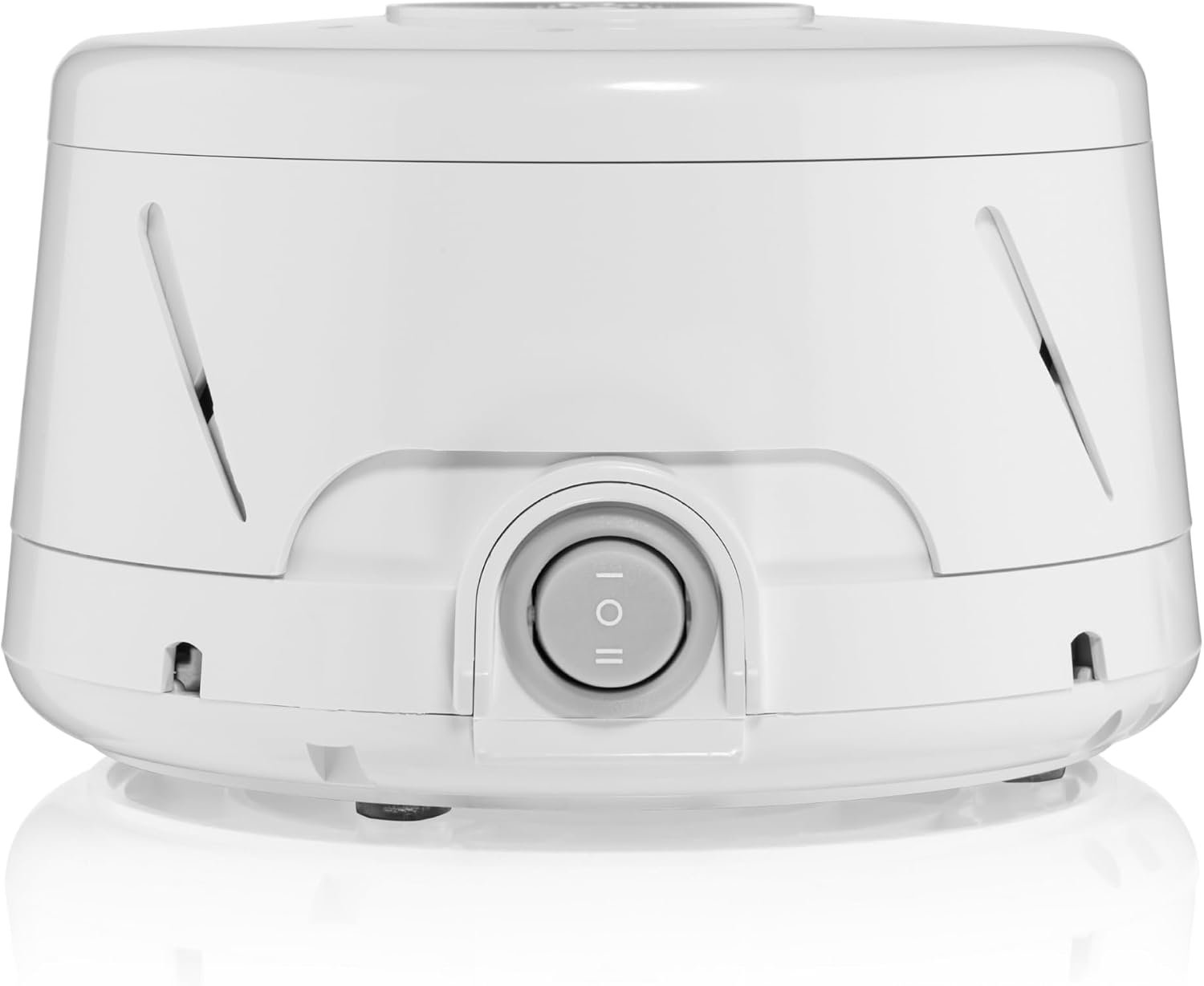
Yogasleep Dohm Classic White Noise Machine
View on Amazon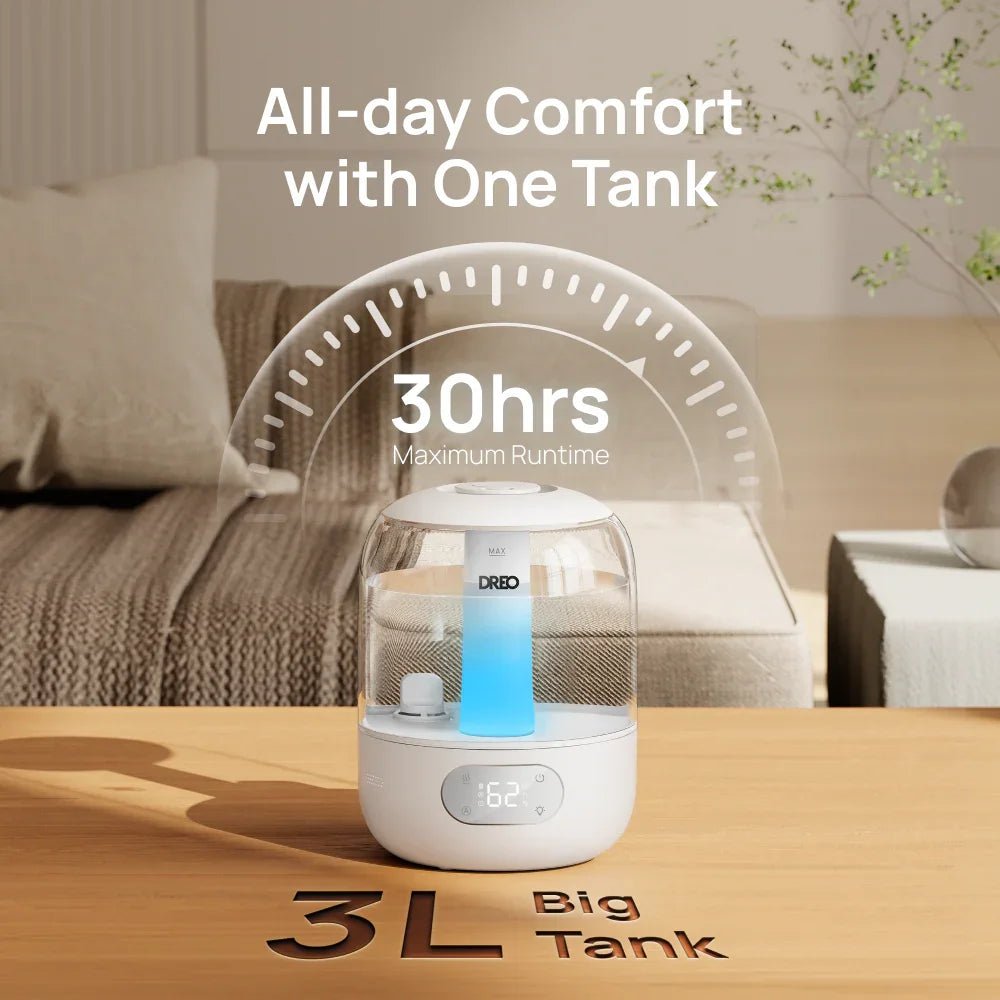
DREO HM306 3L Cool Mist Humidifier
View on AmazonWe may earn a commission from qualifying purchases at no extra cost to you. Prices and availability may change on Amazon.
Frequently Asked Questions
Sources & further reading
These authoritative resources informed the health guidance in this article.
About this guide
About the author
Alfredo Kofman is the independent publisher and editor of SleepSolutions.com. He organizes each guide around authoritative sources, clear safety boundaries, and transparent product disclosures. He is not a physician or sleep specialist, and this guide has not been presented as clinician-reviewed.
Disclaimer: This content is for informational purposes only and is not medical advice. Always consult a qualified healthcare professional for diagnosis and treatment.