Blackout Curtain Buying Guide
How to Choose Blackout Curtains
The best curtain is the one that blocks your real light source, fits the full opening, operates safely, and works in your room.
Written by Alfredo Kofman, Publisher & EditorEditorial standards
Blackout is used broadly in product marketing, so the label alone does not guarantee a completely dark room. Fabric opacity matters, but dimensions, fullness, mounting, edge gaps, color, care, and operating hardware determine how the curtain performs after installation.
Define the Problem First
Identify when and where light enters: streetlights at night, sunrise, daytime light for shift sleep, or reflections from nearby buildings. Note whether the light comes through the fabric or around the edges. This tells you whether you need denser material, greater overlap, or both.
Verify Light Blocking Instead of Trusting a Label
Terms such as blackout and room darkening are not enough to compare performance across every seller. Review the manufacturer's test details when available, inspect a sample against bright light, read the return policy, and test the installed curtains during the brightest relevant conditions.
Compare Construction and Color
Lined, coated, laminated, and densely woven products can all reduce light. Dark face fabric is not automatically better than a well-lined light-colored curtain. Check whether the backing can crack, shed, or require special washing, and follow care instructions to preserve performance.
Size for Coverage and Fullness
Measure the full area you intend to cover, not only the glass. Panels need enough combined width to close without stretching flat and enough length to overlap the opening. Deep window trim, protruding handles, radiators, furniture, and floor clearance can change the required dimensions.
Treat Thermal and Noise Claims Cautiously
Window attachments can affect solar heat gain and comfort, but Berkeley Lab notes that energy effects depend on the attachment, mounting, use, window, climate, and orientation. Heavy curtains may soften some reflected sound but should not be treated as soundproofing.
Choose Practical Operation and Care
Consider whether the curtains must open daily, clear a desk or air conditioner, tolerate pets, and fit in available laundry equipment. Grommets slide easily but may leak light at the top; tracks can provide closer coverage but require compatible mounting.
Make Cord Safety Non-Negotiable
CPSC recommends cordless window coverings where young children are present because accessible cords can strangle. Keep beds, cribs, furniture, and toys away from window cords. Existing loops require approved tension devices, but replacement with a compliant cordless option is safer.
Recommended Products
Relevant picks from our current product catalog. Compare features and suitability before buying.
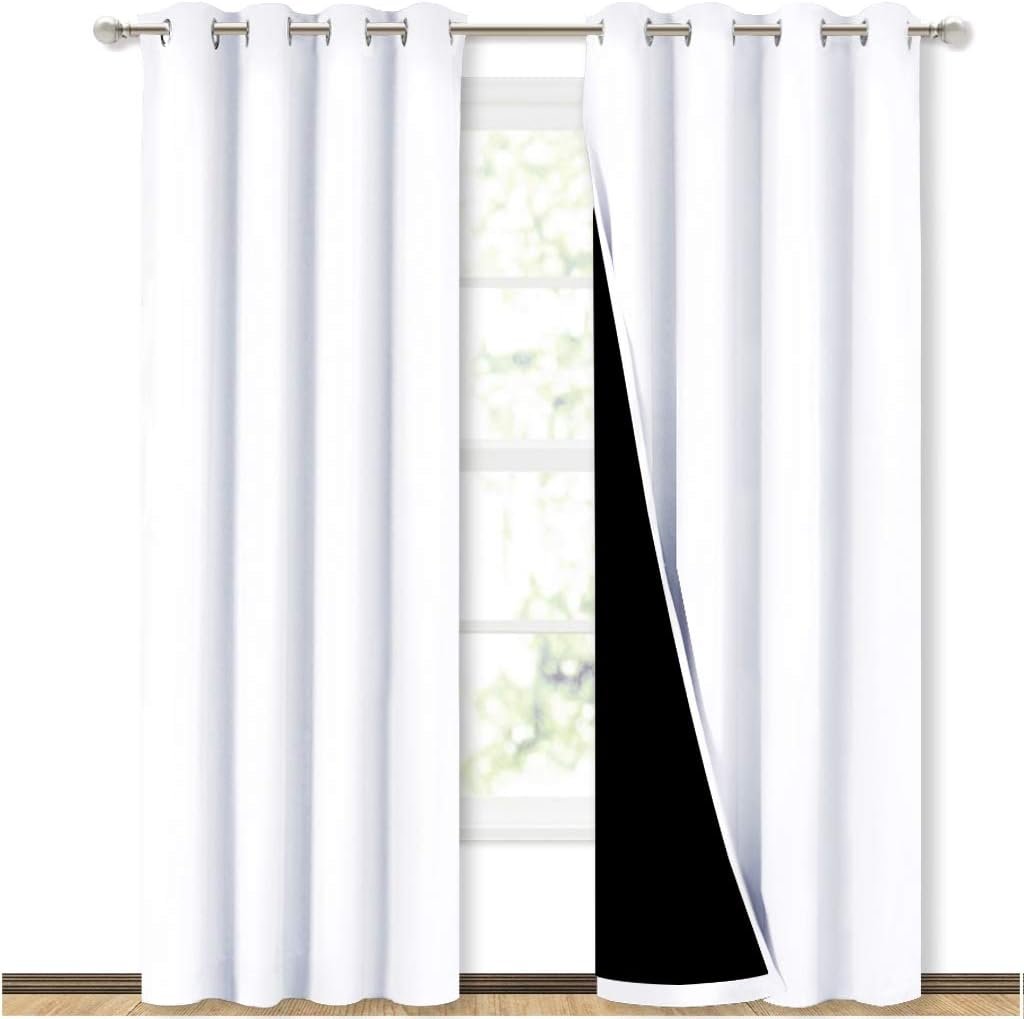
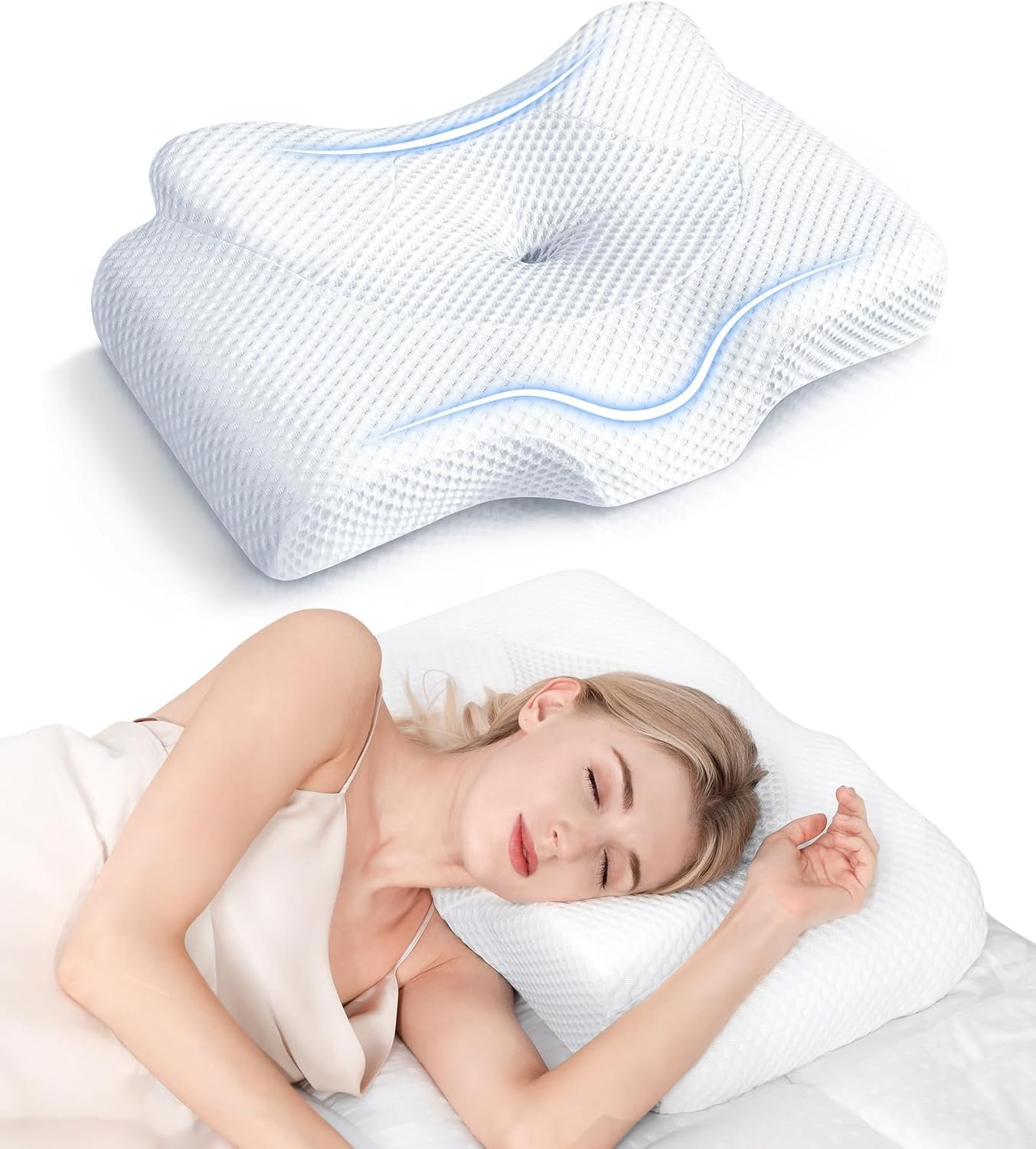
We may earn a commission from qualifying purchases at no extra cost to you. Prices and availability may change on Amazon.
Frequently Asked Questions
Sources & further reading
These authoritative resources informed the health guidance in this article.
About this guide
About the author
Alfredo Kofman is the independent publisher and editor of SleepSolutions.com. He organizes each guide around authoritative sources, clear safety boundaries, and transparent product disclosures. He is not a physician or sleep specialist, and this guide has not been presented as clinician-reviewed.
Disclaimer: This content is for informational purposes only and is not medical advice. Always consult a qualified healthcare professional for diagnosis and treatment.