Bedroom Environment Guide
Optimize Your Sleep Environment
Reduce the light, noise, heat, and interruptions that compete with restorative sleep.
Written by Alfredo Kofman, Publisher & EditorEditorial standards
A sleep-supportive bedroom cannot cure every sleep problem, but it can remove preventable sources of wakefulness. The best setup is dark, quiet, comfortably cool, safe, and adapted to the sleeper rather than built around a single universal temperature or product.
Make Darkness the Default
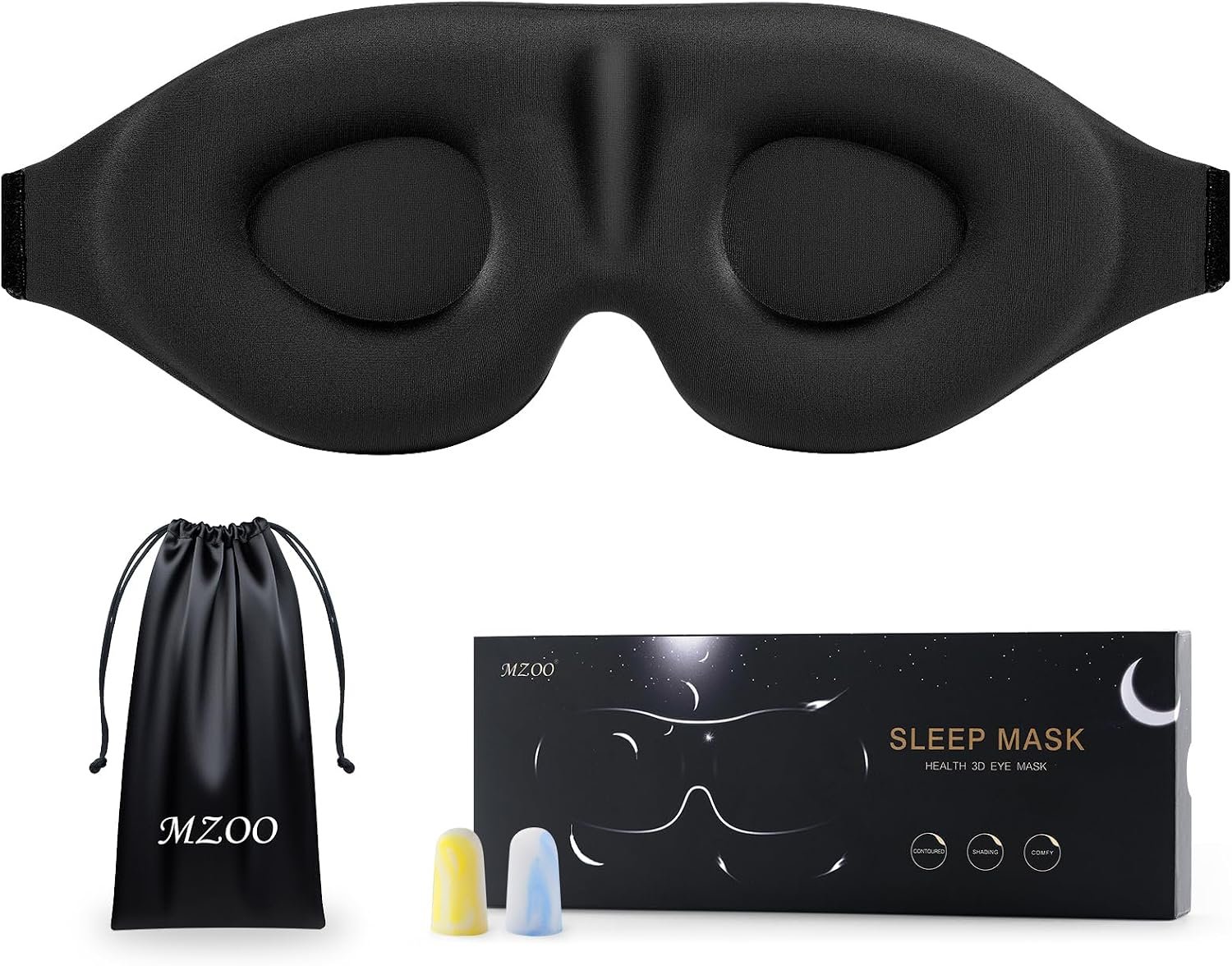
Block or cover unwanted window light, turn off unnecessary lamps, and reduce glowing electronics. An eye mask can help when the room cannot be fully dark. People who need nighttime fall protection may benefit from a dim, warm-colored nightlight placed low and away from the face.
Control Unpredictable Noise
Start with the source: silence alerts, repair rattles, and close doors or windows when practical. Earplugs or steady background sound may help some sleepers, but volume should remain safe and alarms or important caregiving sounds must still be detectable.
Keep the Room Comfortably Cool
CDC and NHLBI recommend a cool, comfortable bedroom, but no single temperature suits everyone. Bedding, pajamas, humidity, illness, age, and medications affect comfort. Adjust the room and layers so you are not waking sweaty, chilled, or congested.
Check the Bed and Physical Comfort
A mattress and pillow should support a comfortable position without creating persistent pressure or pain. Wash bedding regularly and address allergens when relevant. New or worsening pain, breathing difficulty, or reflux deserves clinical assessment rather than endless product changes.
Remove Digital Interruptions
Keep phones, televisions, and computers out of reach or outside the bedroom when possible. Use do-not-disturb settings while preserving emergency contacts. Charging a phone away from bed can reduce both late-night scrolling and repeated clock checking.
Strengthen the Bed-Sleep Association
Using the bed mainly for sleep and intimacy can help separate it from work, news, and prolonged wakefulness. If you are wide awake and frustrated, a quiet activity elsewhere until sleepiness returns may be more helpful than staying in bed and trying harder.
Audit One Problem at a Time
For several nights, track what woke you: light, sound, temperature, discomfort, pets, caregiving, urination, or breathing symptoms. Change the most frequent controllable factor first. Persistent insomnia or repeated unexplained awakenings should be discussed with a healthcare professional.
Recommended Products
Relevant picks from our current product catalog. Compare features and suitability before buying.
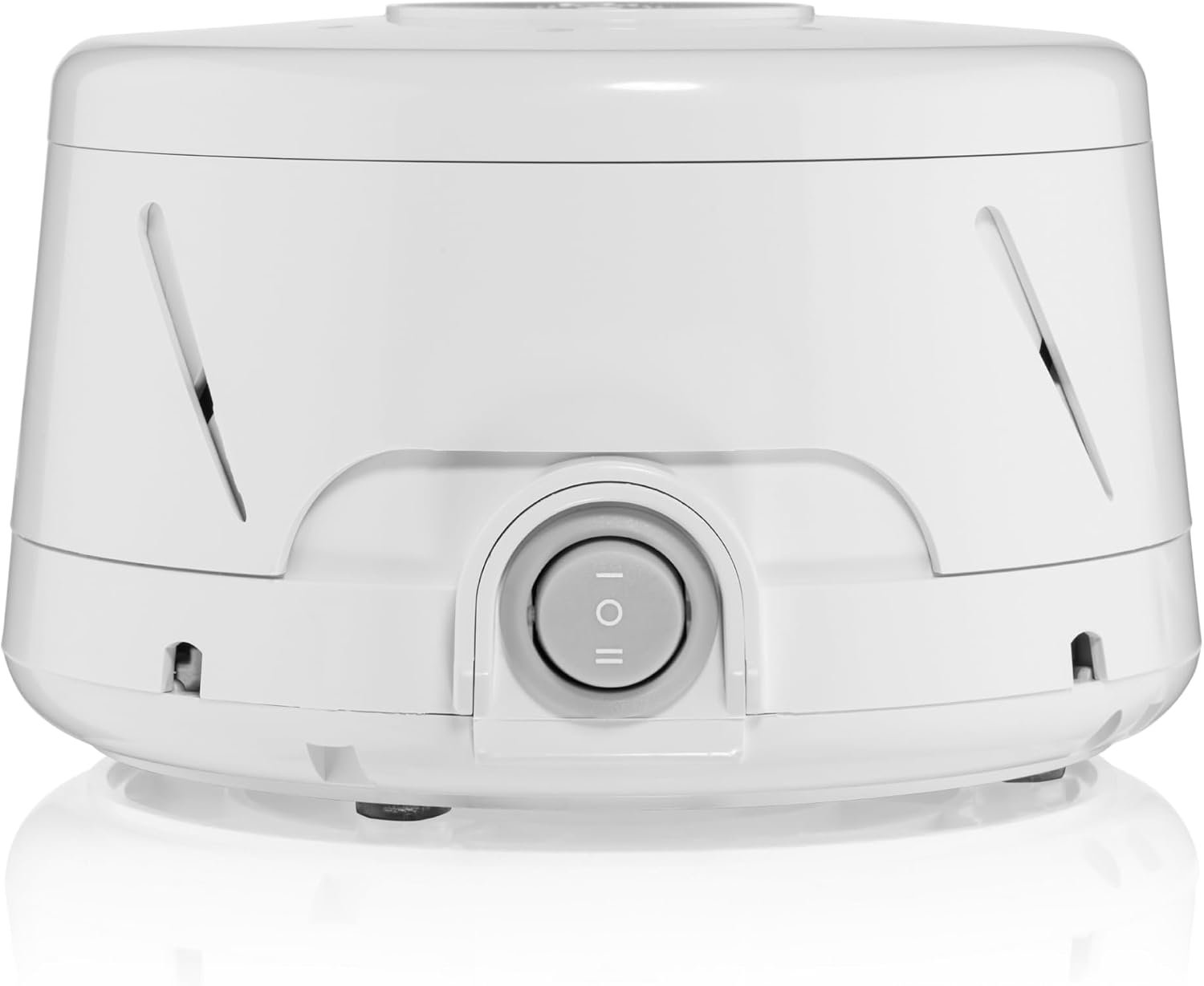
Yogasleep Dohm Classic White Noise Machine
View on Amazon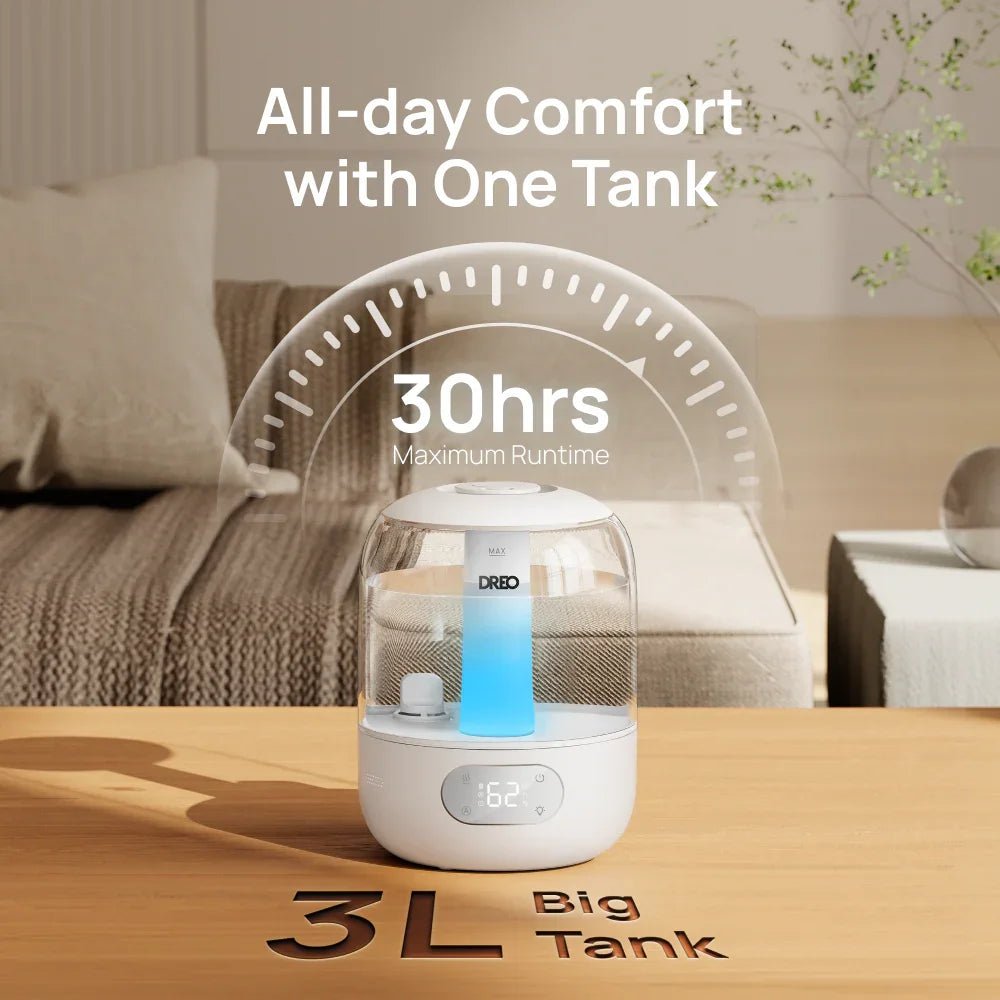
DREO HM306 3L Cool Mist Humidifier
View on AmazonWe may earn a commission from qualifying purchases at no extra cost to you. Prices and availability may change on Amazon.
Frequently Asked Questions
Sources & further reading
These authoritative resources informed the health guidance in this article.
About this guide
About the author
Alfredo Kofman is the independent publisher and editor of SleepSolutions.com. He organizes each guide around authoritative sources, clear safety boundaries, and transparent product disclosures. He is not a physician or sleep specialist, and this guide has not been presented as clinician-reviewed.
Disclaimer: This content is for informational purposes only and is not medical advice. Always consult a qualified healthcare professional for diagnosis and treatment.