Daytime Habits
Exercise, Daylight & Sleep
Strengthen the daytime signals that help your body know when to be alert and when to rest.
Written by Alfredo Kofman, Publisher & EditorEditorial standards
Better sleep begins before bedtime. Daytime light helps set the body's internal clock, while regular physical activity supports health and can improve sleep for many people. The key is a pattern you can sustain, adjusted for your schedule, abilities, climate, and response to late exercise.
Use Light as a Daily Time Cue
Light and darkness are the strongest environmental signals for circadian timing. Seek outdoor light during the day, especially earlier after waking when practical, and make evenings progressively dimmer. Outdoor light is generally brighter than ordinary indoor lighting even on many cloudy days.
Move Regularly, Not Perfectly
Consistent activity matters more than a flawless workout plan. Walking, cycling, swimming, resistance exercise, and other suitable movement can all contribute. Start at a level appropriate for your health and mobility, build gradually, and follow medical guidance if you have symptoms or a condition that affects exercise safety.
Find Your Best Exercise Time
Exercise does not have to happen at one universal time to benefit sleep. Some people tolerate evening workouts well, while vigorous late sessions leave others too alert or warm. If sleep onset seems worse after late exercise, finish earlier or choose gentler movement in the evening and compare the pattern over several days.
Pair Brighter Days With Dimmer Evenings
A clear contrast between day and night can support circadian signals. Open curtains after waking, take breaks outdoors when possible, and use adequate daytime lighting. In the final part of the evening, lower unnecessary lights and reduce bright screen exposure, particularly if it delays bedtime.
Adapt for Weather and Shift Work
Heat, cold, disability, work hours, and neighborhood safety can limit outdoor activity. Use a bright indoor area during your active period, break movement into shorter sessions, or choose accessible indoor exercise. Shift workers may need a personalized light and sleep plan because their required schedule conflicts with typical day-night cues.
Measure Benefits Beyond Falling Asleep
Over two weeks, note activity, light exposure, sleep timing, awakenings, energy, and mood. A helpful routine may improve daytime function or sleep consistency even when bedtime does not change immediately. If you remain excessively sleepy or have breathing pauses, do not assume more exercise will solve an underlying sleep disorder.
Recommended Products
Relevant picks from our current product catalog. Compare features and suitability before buying.
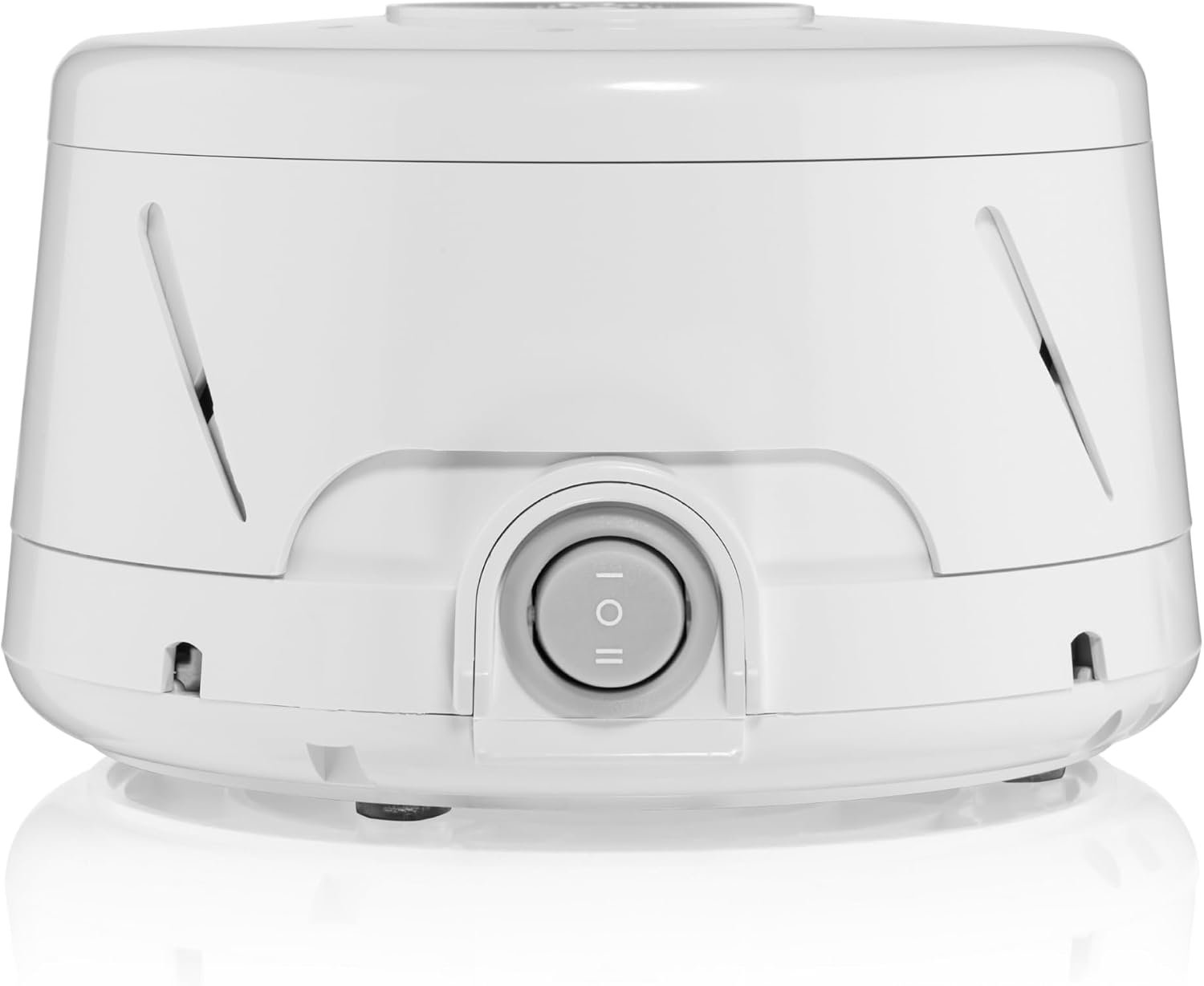
Yogasleep Dohm Classic White Noise Machine
View on Amazon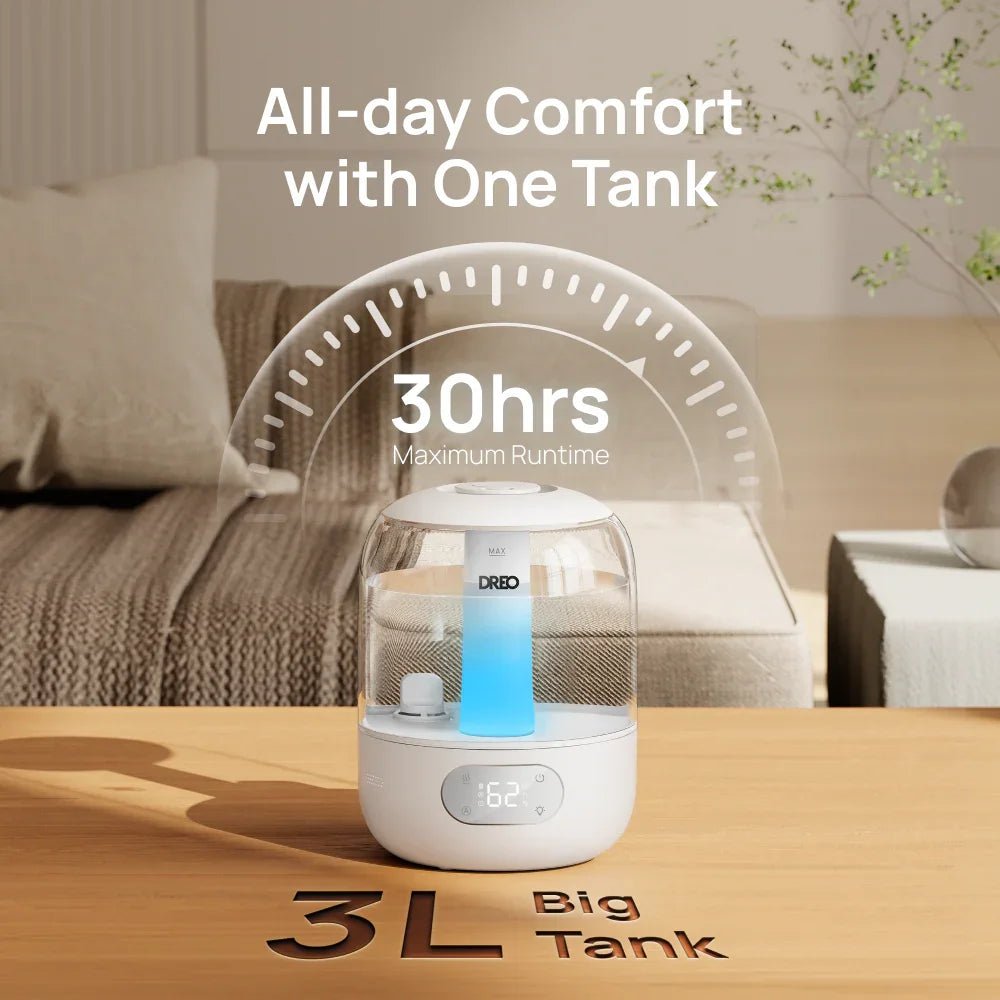
DREO HM306 3L Cool Mist Humidifier
View on AmazonWe may earn a commission from qualifying purchases at no extra cost to you. Prices and availability may change on Amazon.
Frequently Asked Questions
Sources & further reading
These authoritative resources informed the health guidance in this article.
About this guide
About the author
Alfredo Kofman is the independent publisher and editor of SleepSolutions.com. He organizes each guide around authoritative sources, clear safety boundaries, and transparent product disclosures. He is not a physician or sleep specialist, and this guide has not been presented as clinician-reviewed.
Disclaimer: This content is for informational purposes only and is not medical advice. Always consult a qualified healthcare professional for diagnosis and treatment.