Sleep Tech
Blue-Light Blocking Glasses for Sleep
Protect your circadian rhythm from screen exposure with the right eyewear.
Blue light from screens suppresses melatonin production by up to 50%. Wearing blue-light blocking glasses 2-3 hours before bed can restore natural sleep onset and improve sleep quality.
How Blue Light Affects Sleep
Blue light (450-495nm wavelength) signals your brain that it's daytime, suppressing melatonin and delaying your circadian rhythm. This makes falling asleep harder and reduces sleep quality.
What the Research Says
Studies show wearing amber-tinted blue-light blocking glasses for 2 hours before bed increased melatonin by 58% and improved sleep quality ratings significantly.
Choosing the Right Glasses
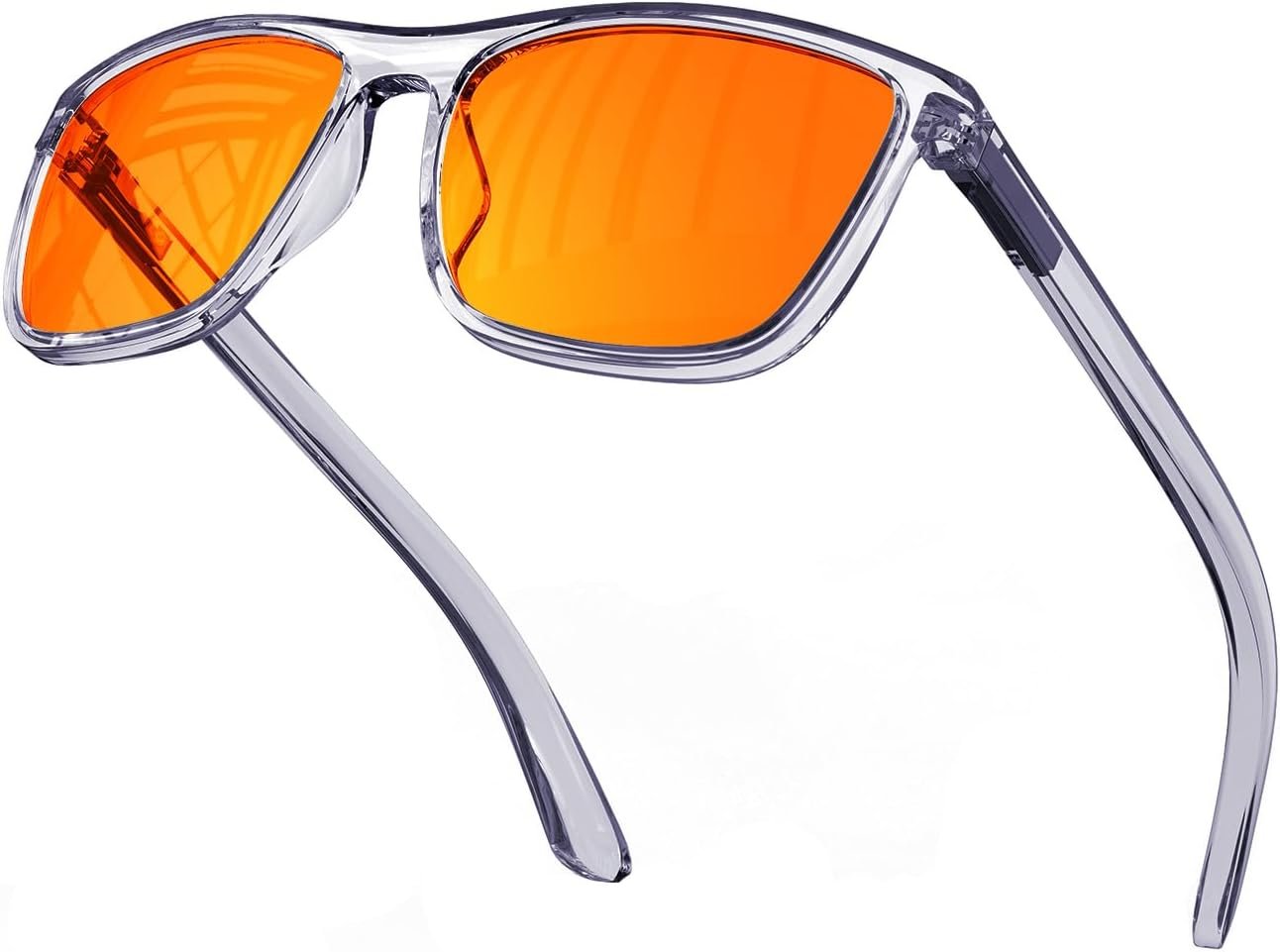
Look for amber or orange-tinted lenses that block 90%+ of blue light. Clear 'blue-light' lenses block minimal blue light and are mostly marketing. Comfort and fit matter for nightly use.
Recommended Products
Relevant picks from our current product catalog. Compare features and suitability before buying.
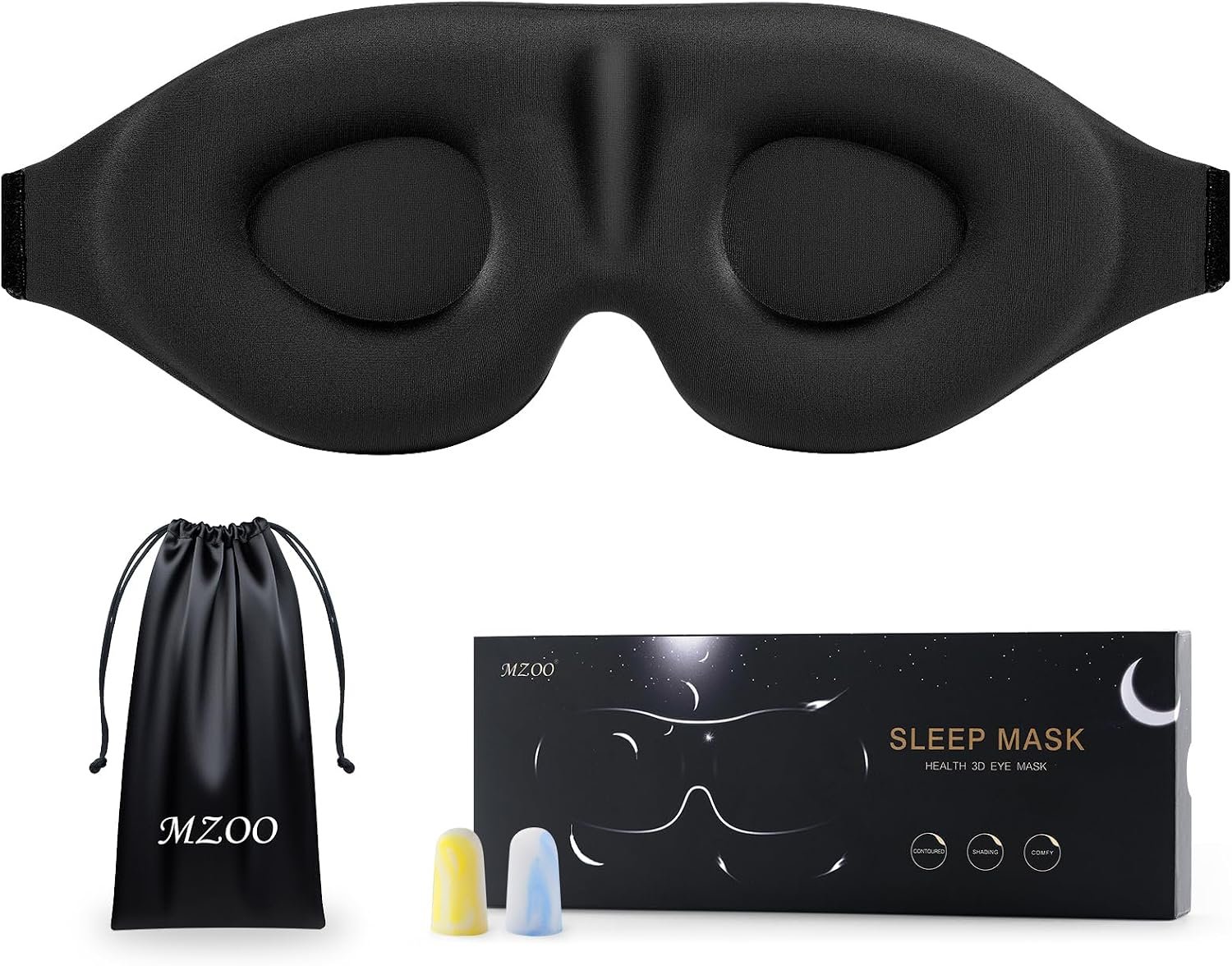
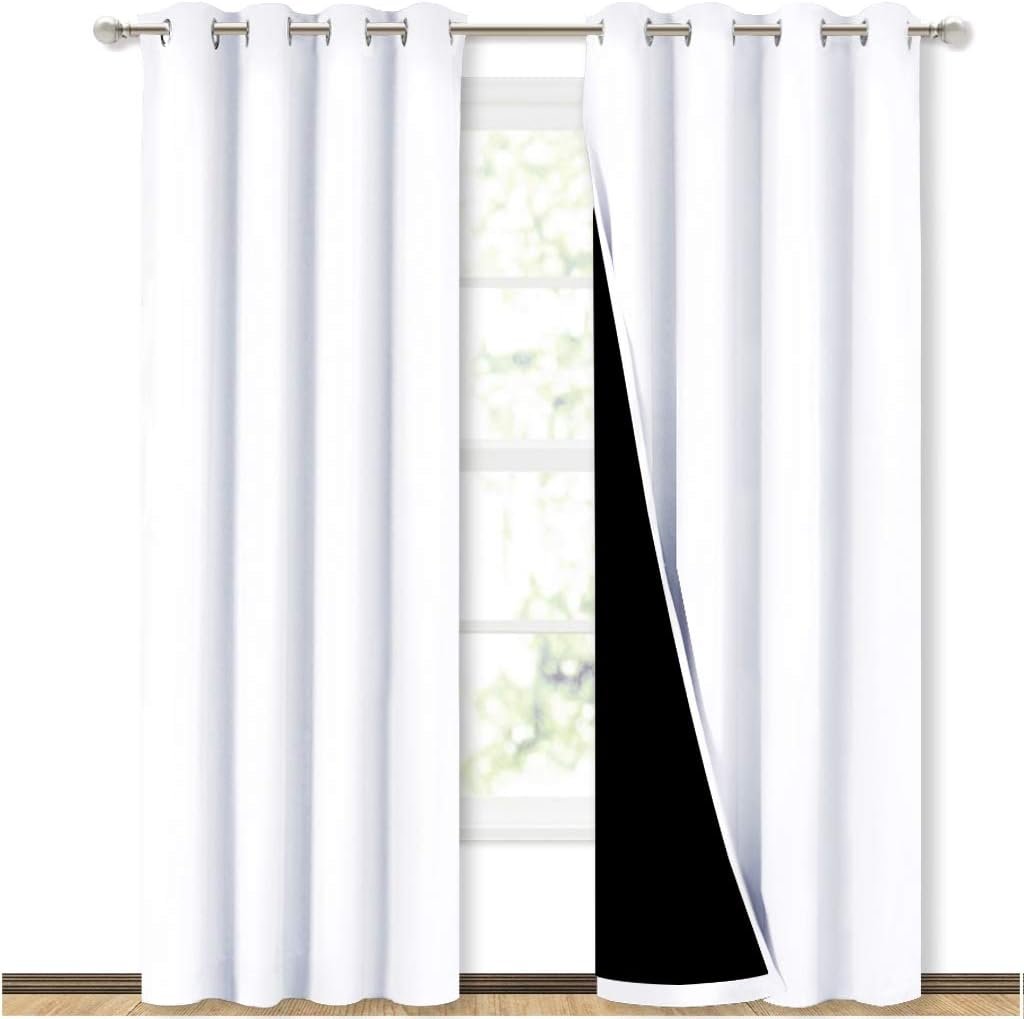
We may earn a commission from qualifying purchases at no extra cost to you. Prices and availability may change on Amazon.
Frequently Asked Questions
Related Guides
About this guide
About the author
Alfredo Kofman is the independent publisher and editor of SleepSolutions.com. He organizes each guide around authoritative sources, clear safety boundaries, and transparent product disclosures. He is not a physician or sleep specialist, and this guide has not been presented as clinician-reviewed.
Disclaimer: This content is for informational purposes only and is not medical advice. Always consult a qualified healthcare professional for diagnosis and treatment.