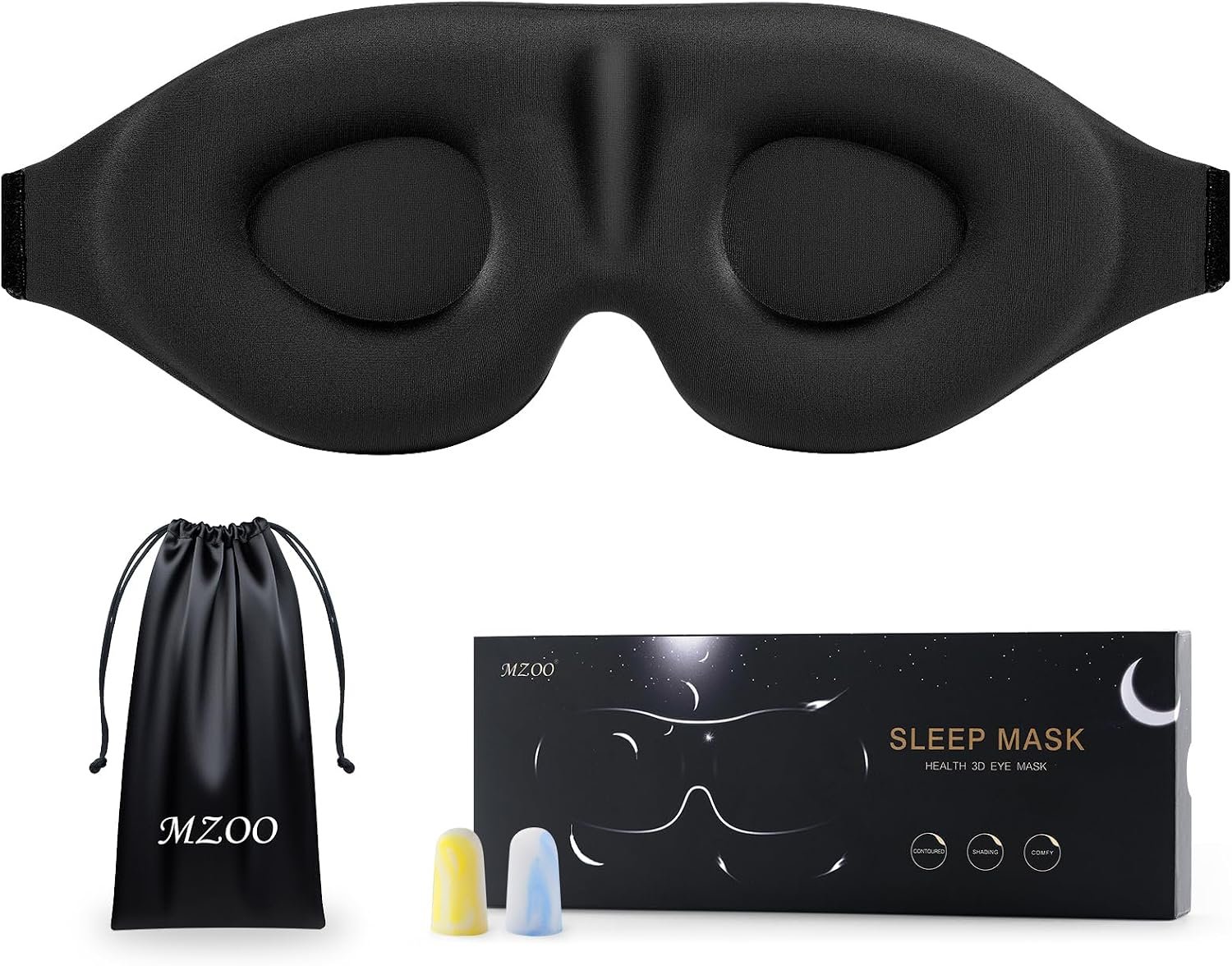
Sleep Science
Understanding Sleep Cycles
A practical guide to light sleep, deep sleep, REM sleep, and the rhythm of a typical night.
Written by Alfredo Kofman, Publisher & EditorEditorial standards
Sleep is an active biological process, not a single uniform state. Across the night, the brain and body move repeatedly through non-REM and REM sleep. Learning the basic pattern can help you make sense of normal awakenings, changing dream intensity, and sleep-tracker reports without trying to micromanage every stage.
The Two Main Phases of Sleep
Sleep has two broad phases: non-rapid eye movement (non-REM) sleep and rapid eye movement (REM) sleep. Non-REM sleep includes three stages that progress from the transition into sleep to deeper slow-wave sleep. REM sleep features active brain patterns, vivid dreaming, and temporary relaxation of most voluntary muscles.
How a Sleep Cycle Unfolds
A cycle usually moves through non-REM sleep before reaching REM sleep, then begins again. According to the National Heart, Lung, and Blood Institute, cycles commonly last about 80 to 100 minutes and most people experience four to six per night. The timing varies naturally, so a rigid 90-minute rule is not a reliable way to schedule sleep.
Why the Night Changes as It Progresses
Deep non-REM sleep is generally concentrated earlier in the night, while REM periods become longer later. Cutting a night short can therefore reduce sleep opportunity overall and disproportionately trim later REM-rich sleep. The practical goal is to allow enough uninterrupted time for a full night rather than trying to wake at a mathematically perfect point.
Brief Awakenings Can Be Normal
People may wake briefly between cycles and have no memory of it in the morning. An occasional awakening is not automatically a sleep disorder. Frequent or prolonged awakenings, loud snoring, gasping, significant daytime sleepiness, or sleep that remains unrefreshing deserve a conversation with a healthcare professional.
Interpreting Consumer Sleep Trackers
Watches and rings estimate sleep stages from signals such as movement and heart rate; they do not measure brain activity in the same way as a clinical sleep study. Use trends as prompts for reflection, not as a diagnosis or a nightly score to perfect. How rested and functional you feel, alongside sufficient sleep time, often provides more useful context.
Support Healthy Sleep Architecture
Give yourself a consistent and adequate sleep window, keep wake time reasonably steady, and protect the bedroom from disruptive light and noise. These habits support the natural cycling process. If you regularly cannot sleep despite enough opportunity, seek professional guidance instead of chasing a specific percentage of deep or REM sleep.
Recommended Products
Relevant picks from our current product catalog. Compare features and suitability before buying.
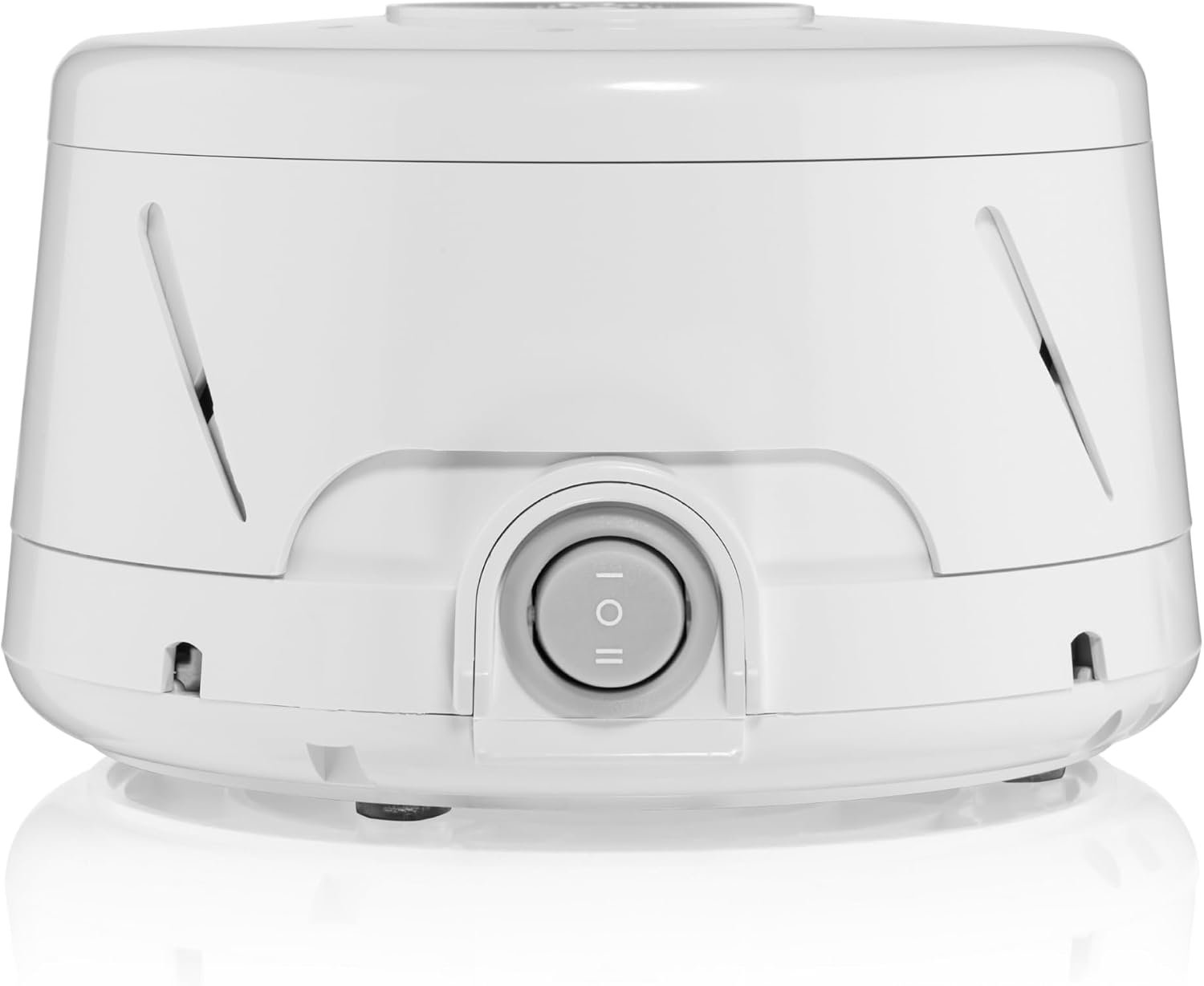
Yogasleep Dohm Classic White Noise Machine
View on Amazon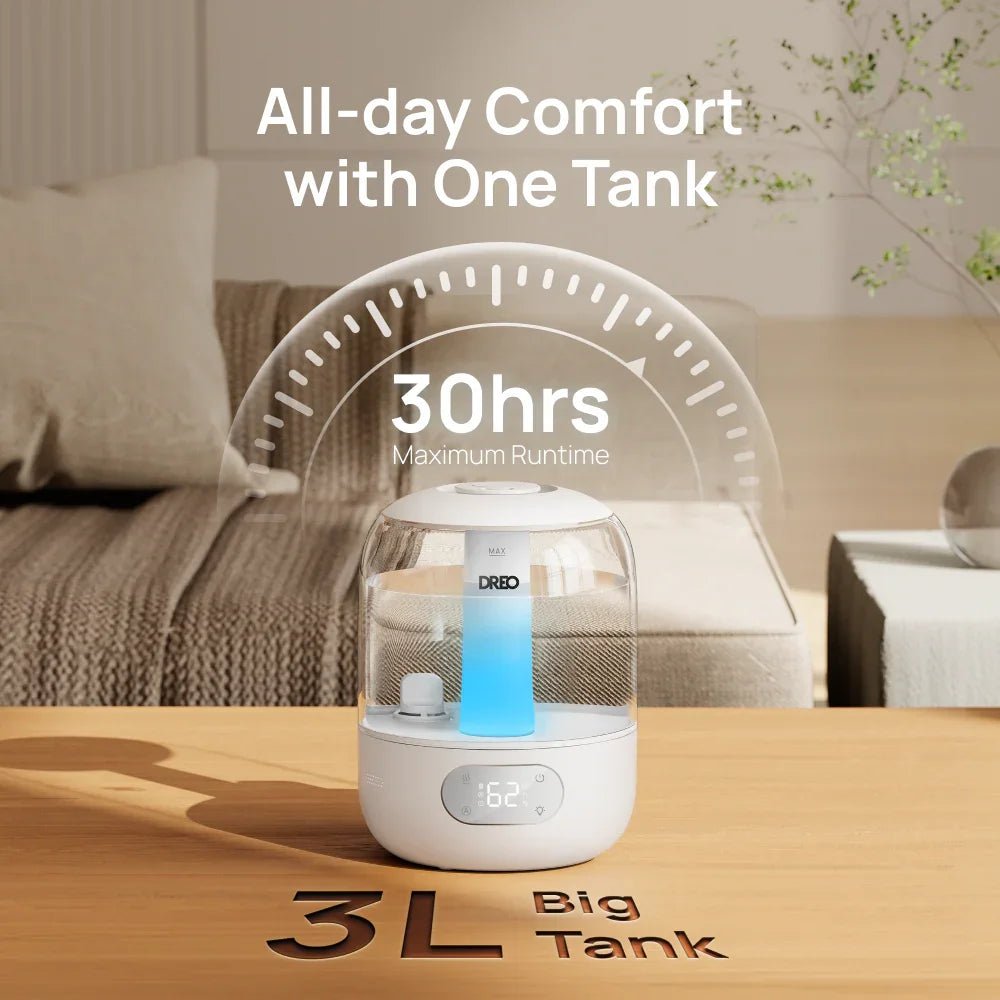
DREO HM306 3L Cool Mist Humidifier
View on AmazonWe may earn a commission from qualifying purchases at no extra cost to you. Prices and availability may change on Amazon.
Frequently Asked Questions
Sources & further reading
These authoritative resources informed the health guidance in this article.
About this guide
About the author
Alfredo Kofman is the independent publisher and editor of SleepSolutions.com. He organizes each guide around authoritative sources, clear safety boundaries, and transparent product disclosures. He is not a physician or sleep specialist, and this guide has not been presented as clinician-reviewed.
Disclaimer: This content is for informational purposes only and is not medical advice. Always consult a qualified healthcare professional for diagnosis and treatment.