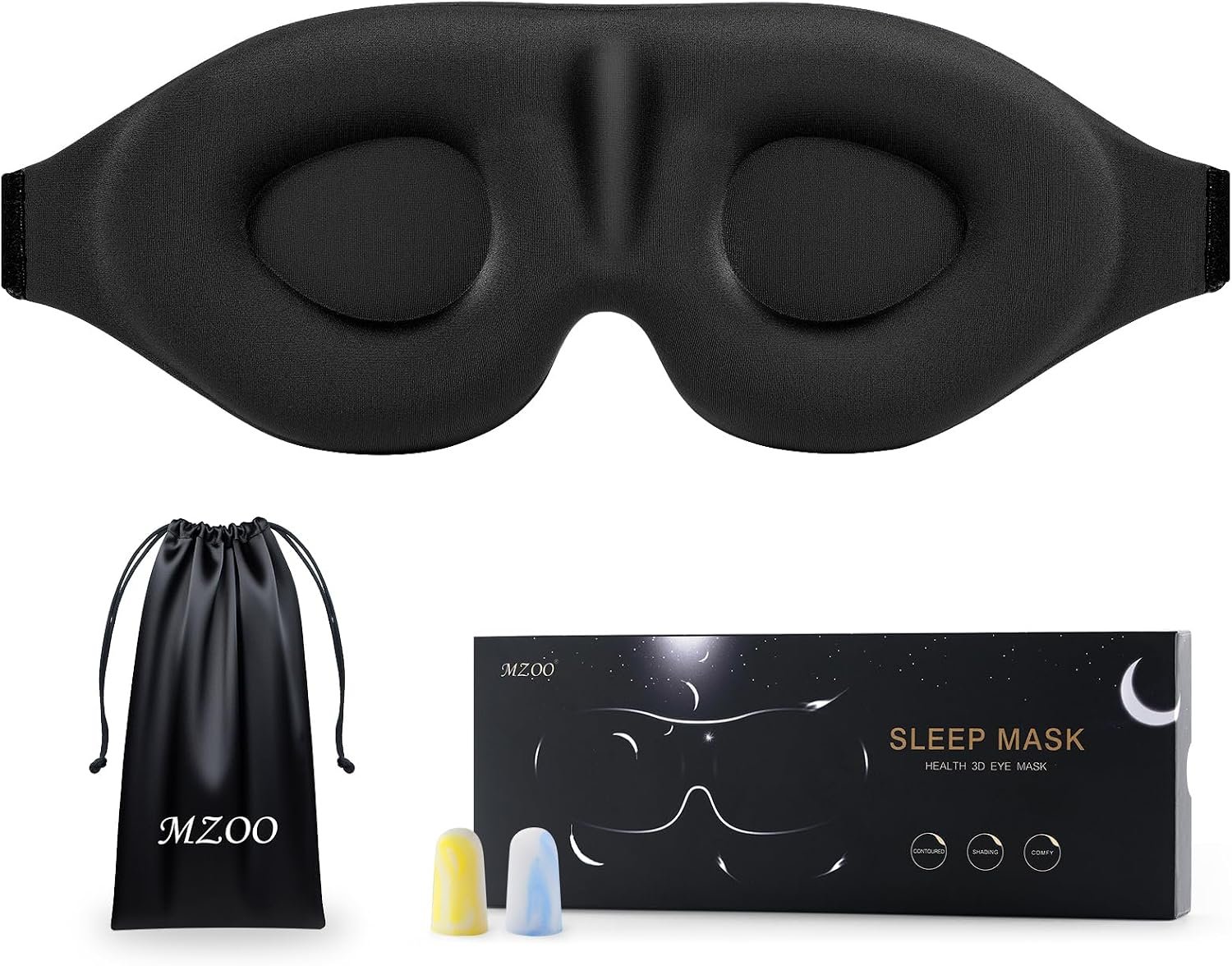
Routine Guide
Master Your Sleep Routine
Build repeatable cues that help your body and mind shift from a busy day into sleep.
Written by Alfredo Kofman, Publisher & EditorEditorial standards
The best sleep routine is not the most elaborate one; it is the one you can repeat. A stable schedule and a short sequence of calming cues can make bedtime more predictable. Build around your real obligations, then adjust gradually instead of trying to force sleep on command.
Anchor the Day With Wake Time
Choose a wake time you can keep on most weekdays and weekends. A stable morning anchor helps reinforce the timing of alertness and sleepiness across the day. If your schedule is currently far off target, shift it in small steps and get out of bed at the planned time rather than making large daily swings.
Protect Enough Time for Sleep
Work backward from wake time to create a realistic sleep opportunity; most adults generally need at least seven hours, and many do best with seven to nine. Bedtime should allow enough room for sleep without becoming a performance deadline. If you are not sleepy yet, use the wind-down period for a quiet activity in dim light.
Create a Short Wind-Down Sequence
Choose two or three low-effort steps you can repeat in the same order, such as preparing for tomorrow, washing up, and reading or breathing quietly. Begin about 30 to 60 minutes before bed when possible. The repetition matters more than purchasing a special tea, app, or gadget.
Set a Digital Sunset
Bright light and stimulating content can keep the brain engaged close to bedtime. Pick a stopping point for work, news, gaming, and social media; then dim lights and silence notifications. If screens are unavoidable, reduce brightness and switch from emotionally activating tasks to something routine and finite.
Know What to Do on a Difficult Night
Do not keep checking the clock or trying harder to sleep. If you feel awake and frustrated, leave the bed for a quiet activity in dim light and return when sleepy, provided it is safe for you to do so. Avoid using alcohol as a sleep aid, because it can fragment sleep later in the night.
Review the Pattern, Not One Night
Track bedtime, wake time, major awakenings, naps, caffeine, and daytime functioning for one or two weeks. Look for repeatable patterns rather than reacting to a single poor night. Ongoing insomnia, severe daytime sleepiness, breathing pauses, or safety concerns should be discussed with a healthcare professional.
Recommended Products
Relevant picks from our current product catalog. Compare features and suitability before buying.
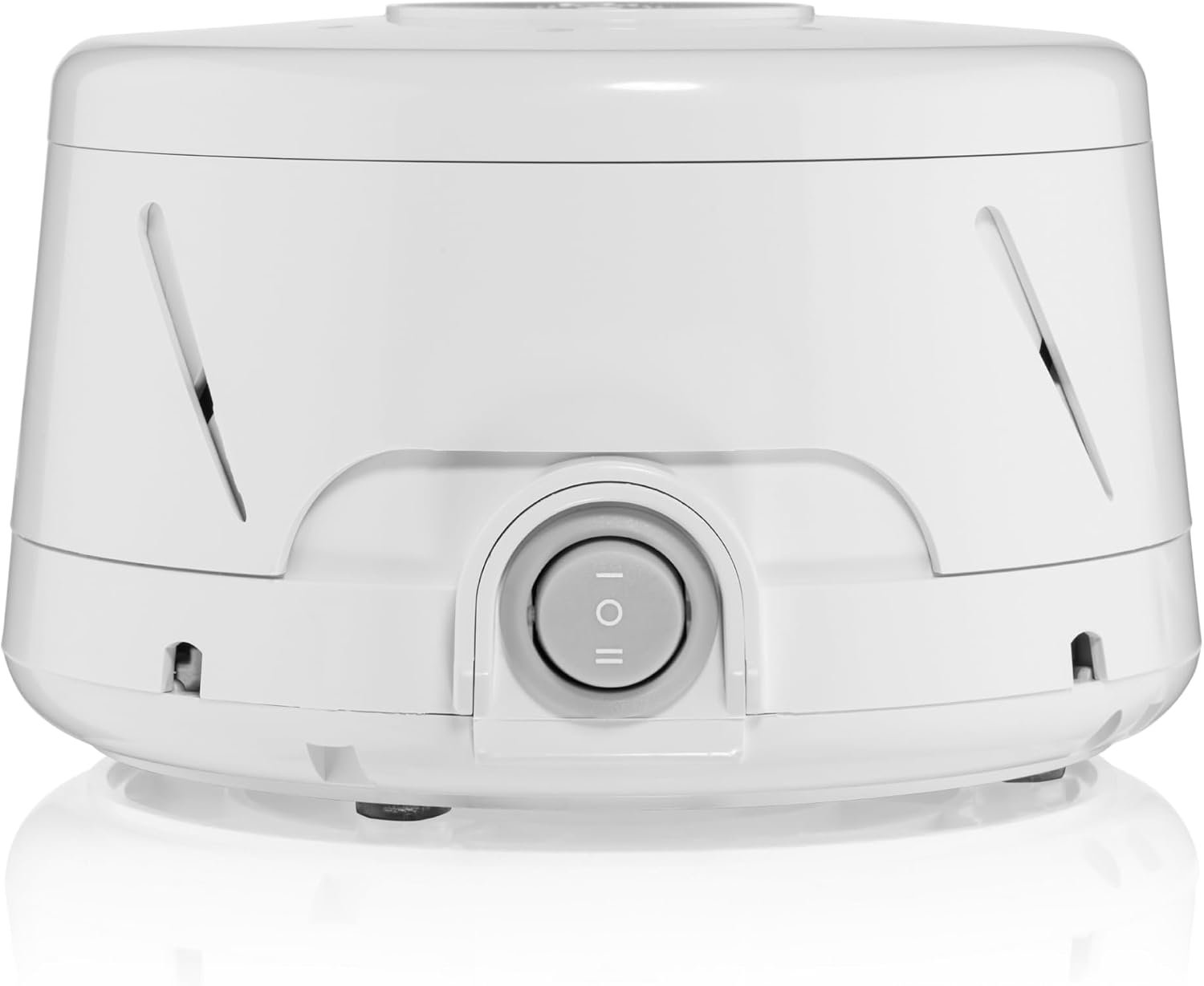
Yogasleep Dohm Classic White Noise Machine
View on Amazon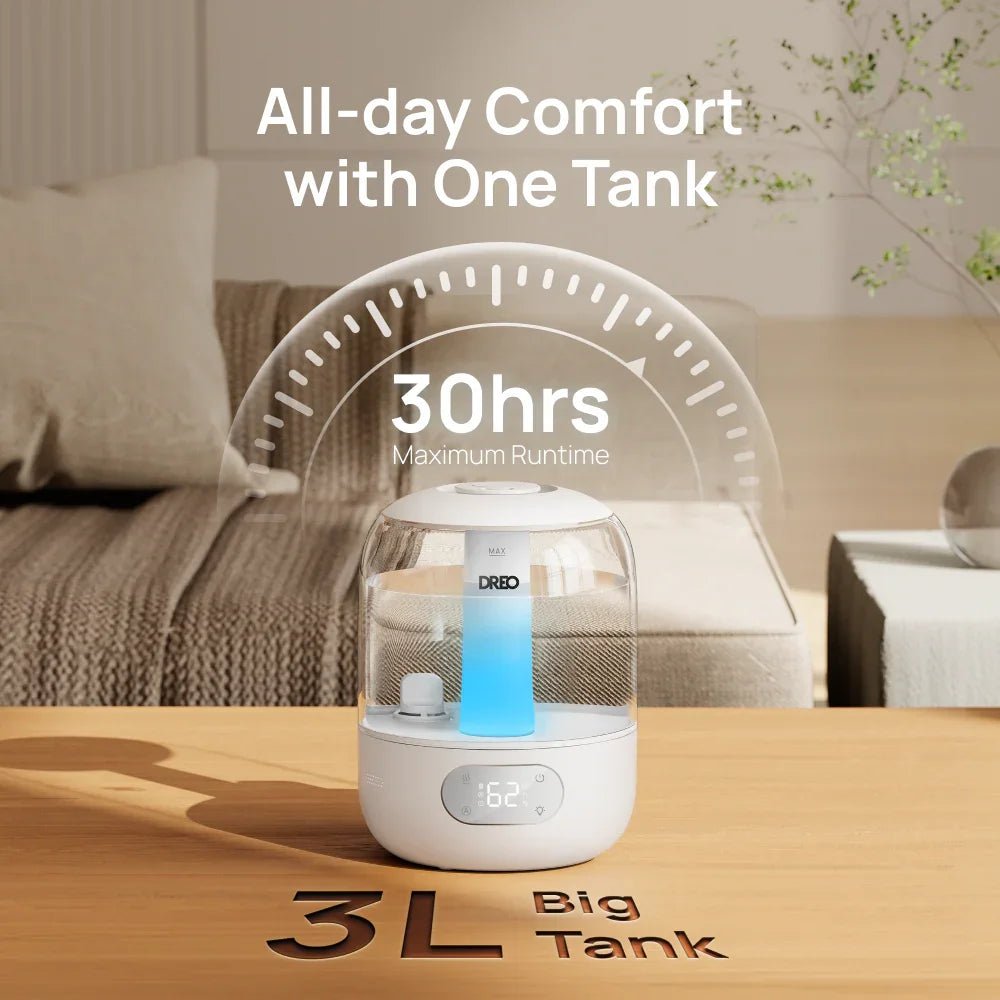
DREO HM306 3L Cool Mist Humidifier
View on AmazonWe may earn a commission from qualifying purchases at no extra cost to you. Prices and availability may change on Amazon.
Frequently Asked Questions
Sources & further reading
These authoritative resources informed the health guidance in this article.
About this guide
About the author
Alfredo Kofman is the independent publisher and editor of SleepSolutions.com. He organizes each guide around authoritative sources, clear safety boundaries, and transparent product disclosures. He is not a physician or sleep specialist, and this guide has not been presented as clinician-reviewed.
Disclaimer: This content is for informational purposes only and is not medical advice. Always consult a qualified healthcare professional for diagnosis and treatment.