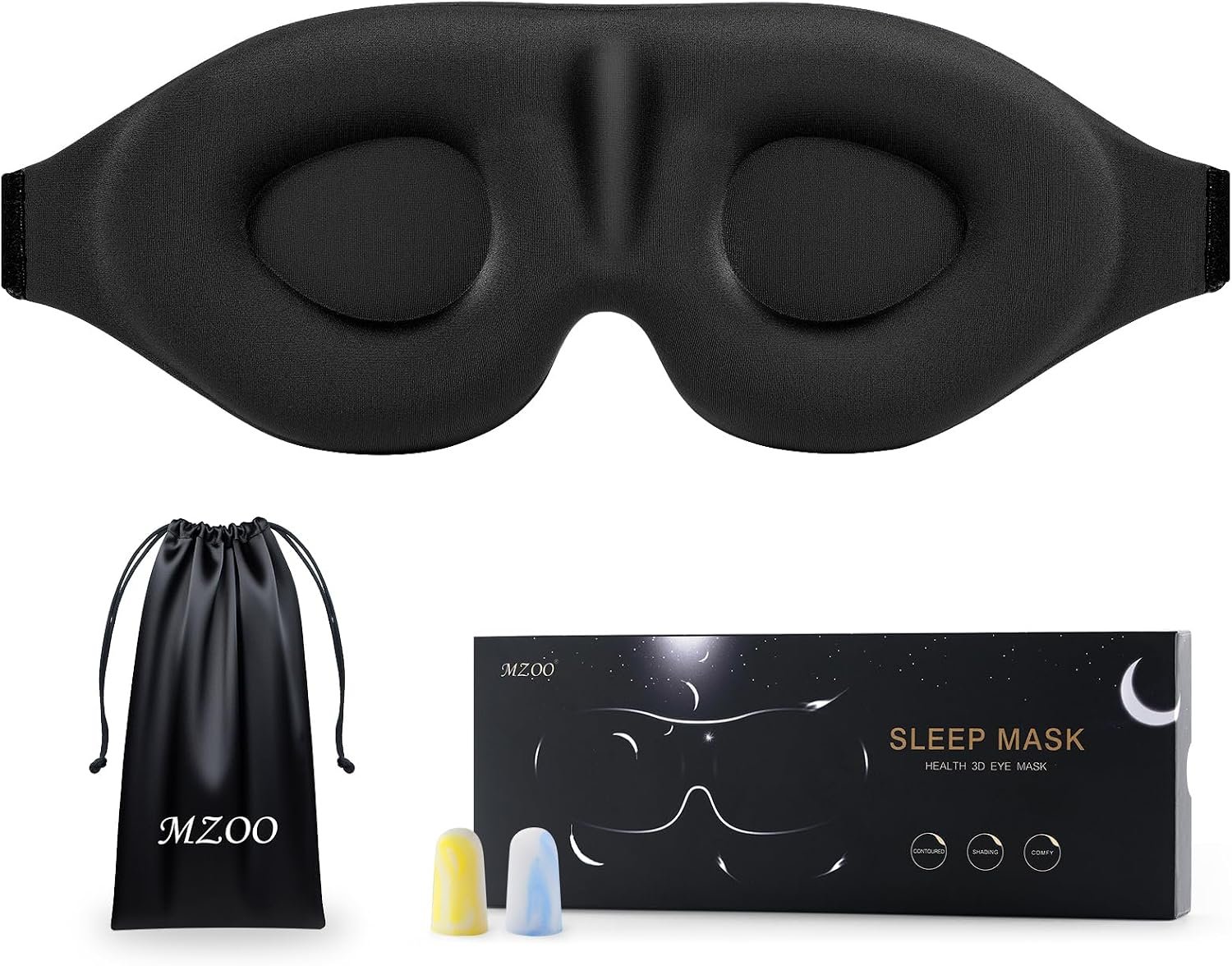
Sleep Schedule Guide
Build a Consistent Sleep Schedule
Use repeatable timing cues to support your body clock without turning bedtime into a nightly test.
Written by Alfredo Kofman, Publisher & EditorEditorial standards
A consistent schedule gives the sleep-wake system predictable timing cues. It cannot guarantee perfect sleep, but a stable wake time, adequate sleep opportunity, and controlled weekend drift can make sleepiness and alertness arrive at more useful times.
Start With a Wake Time You Can Keep
Choose a wake time that works on most workdays and days off, then get out of bed near that time each morning. Wake time is often easier to control than the exact moment you fall asleep and gives daylight, meals, and activity a stable place in the day.
Protect Enough Time for Sleep
Work backward from your wake time to reserve an adequate sleep window. Most adults need at least seven hours, and individual needs vary. A schedule that is consistent but chronically too short will not solve insufficient sleep.
Limit Weekend Drift
Large weekend sleep-ins can move the body clock later and make the next workday harder. NHLBI advises keeping weeknight and weekend schedules within roughly an hour when possible. If you need substantial catch-up sleep repeatedly, review whether your weekday sleep window is long enough.
Move the Schedule Gradually
When shifting earlier or later, change bedtime and wake time in small steps rather than forcing a dramatic jump. Keep morning light and daily routines aligned with the new time. People doing shift work or crossing time zones may need an individualized strategy.
Use Naps Deliberately
A brief early-afternoon nap may improve alertness, but late or long naps can reduce sleep pressure at bedtime for some people. If falling asleep at night is difficult, test whether shortening, moving, or temporarily removing naps helps.
Run a Two-Week Schedule Experiment
Record bedtime, estimated sleep time, awakenings, final wake time, naps, caffeine, alcohol, and daytime sleepiness. Change one or two variables at a time and look for a pattern across at least one to two weeks rather than judging a single night.
Know When Routine Is Not Enough
Persistent insomnia, loud snoring with breathing pauses, restless legs, unusual behaviors during sleep, or dangerous daytime sleepiness needs medical evaluation. Avoid driving when sleepy. Sleep hygiene supports care but is not a substitute for diagnosing a sleep disorder.
Recommended Products
Relevant picks from our current product catalog. Compare features and suitability before buying.
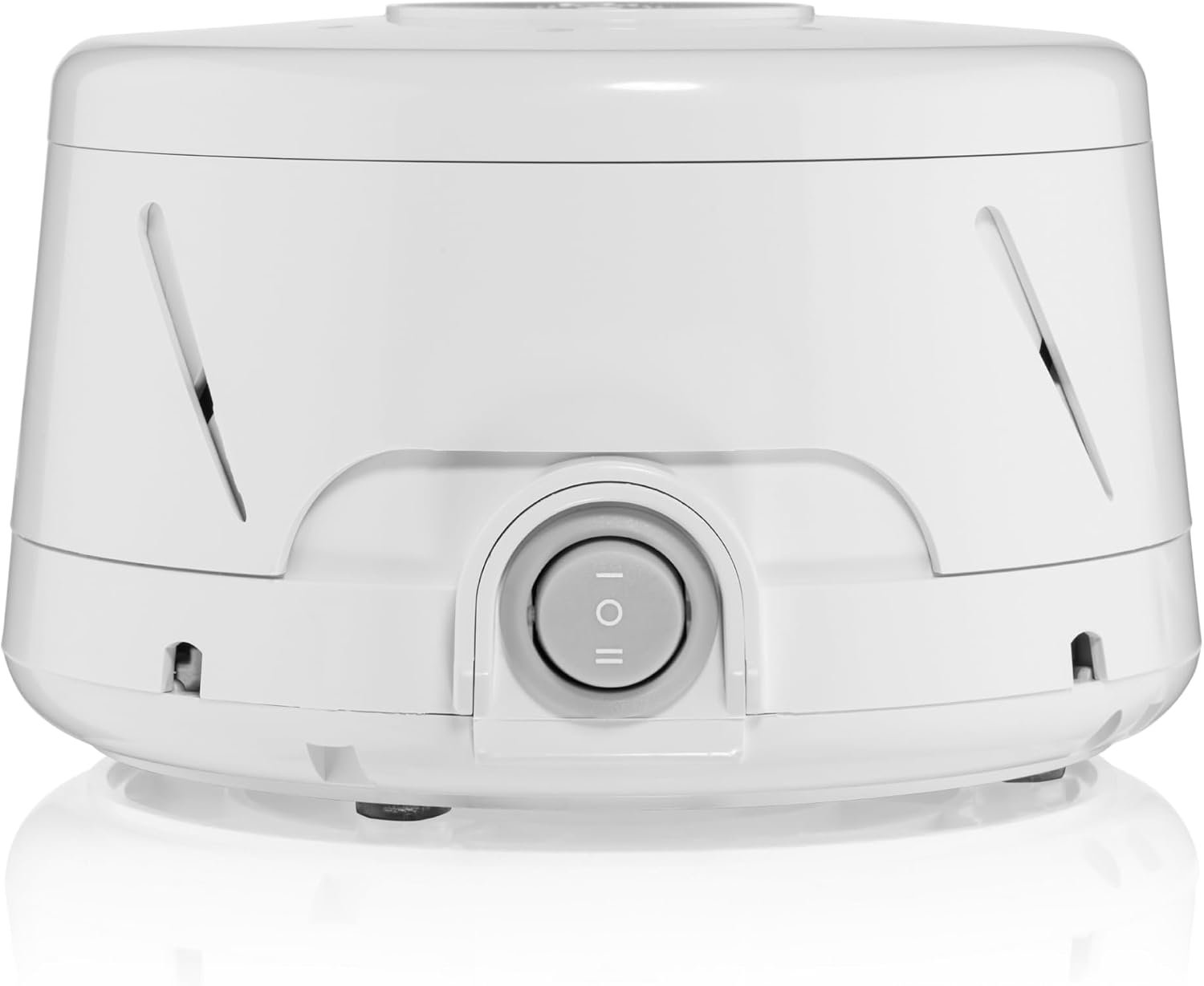
Yogasleep Dohm Classic White Noise Machine
View on Amazon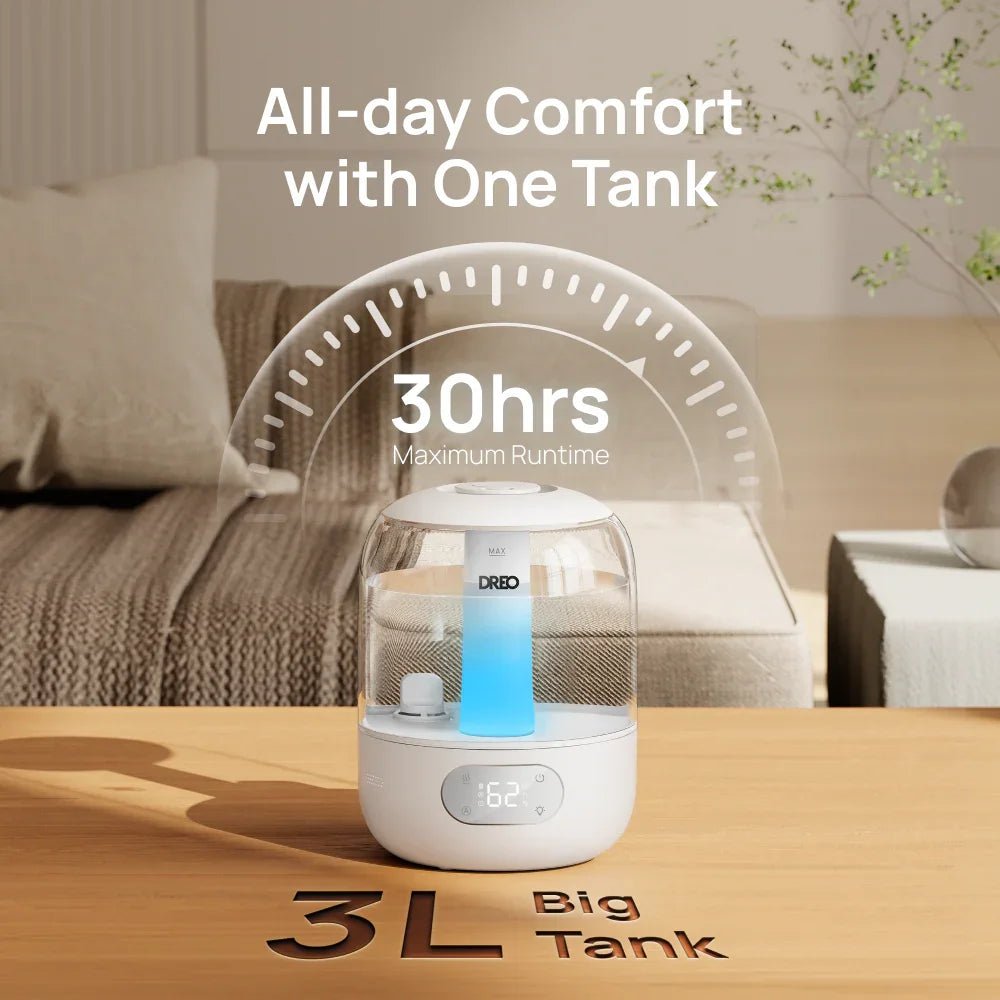
DREO HM306 3L Cool Mist Humidifier
View on AmazonWe may earn a commission from qualifying purchases at no extra cost to you. Prices and availability may change on Amazon.
Frequently Asked Questions
Sources & further reading
These authoritative resources informed the health guidance in this article.
About this guide
About the author
Alfredo Kofman is the independent publisher and editor of SleepSolutions.com. He organizes each guide around authoritative sources, clear safety boundaries, and transparent product disclosures. He is not a physician or sleep specialist, and this guide has not been presented as clinician-reviewed.
Disclaimer: This content is for informational purposes only and is not medical advice. Always consult a qualified healthcare professional for diagnosis and treatment.