Device Guide
Anti-Snoring Devices Guide
Match the device to the likely source of snoring—and rule out sleep apnea before relying on a product.
Anti-snoring devices target different parts of the airway, so a product that helps one person may do nothing for another. Before choosing one, pay attention to nasal blockage, sleep position, mouth breathing, dental health, and warning signs of sleep apnea. Loud frequent snoring with gasping, breathing pauses, or daytime sleepiness needs clinical evaluation.
Mandibular Advancement Devices (MADs)
These oral appliances hold the lower jaw forward to increase airway space. Clinical guidance supports oral appliances for appropriately diagnosed primary snoring, but custom adjustable devices fitted and monitored by qualified professionals have advantages over generic products. Possible effects include jaw discomfort, salivation changes, tooth movement, and bite changes.
Tongue-Retaining Devices
A tongue-retaining device holds the tongue forward rather than moving the jaw. It may be considered when dental anatomy makes a mandibular appliance difficult, but comfort and effectiveness vary. Anyone with breathing concerns or significant snoring should seek professional guidance instead of assuming tongue position is the only cause.
Nasal Strips and Dilators
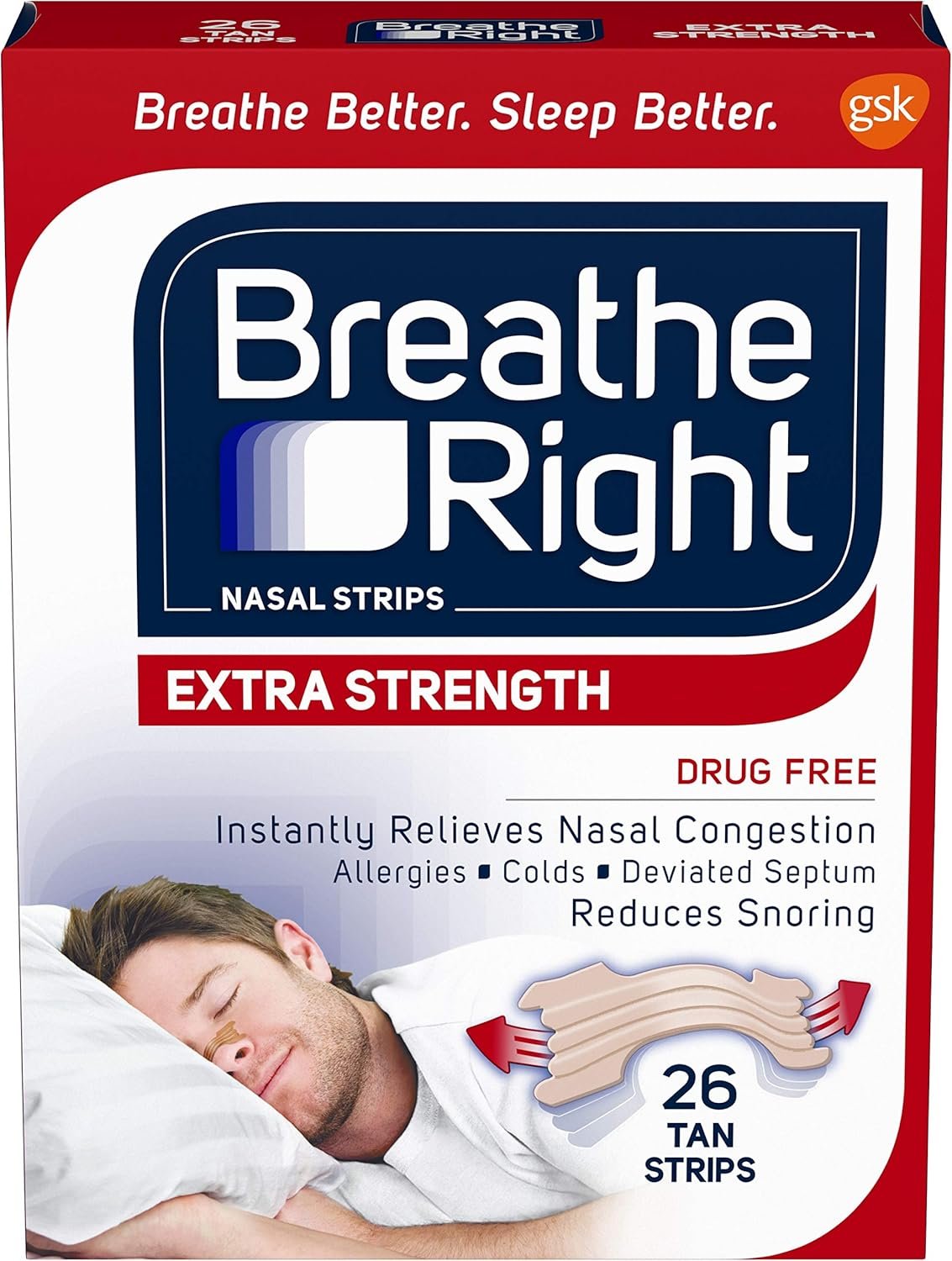
External strips lift the sides of the nose, while internal dilators hold the nostrils open. They may help when narrow nasal passages or temporary congestion contributes, but they do not prevent collapse in the throat and are not treatments for obstructive sleep apnea. Persistent nasal blockage deserves medical assessment.
Positional Devices
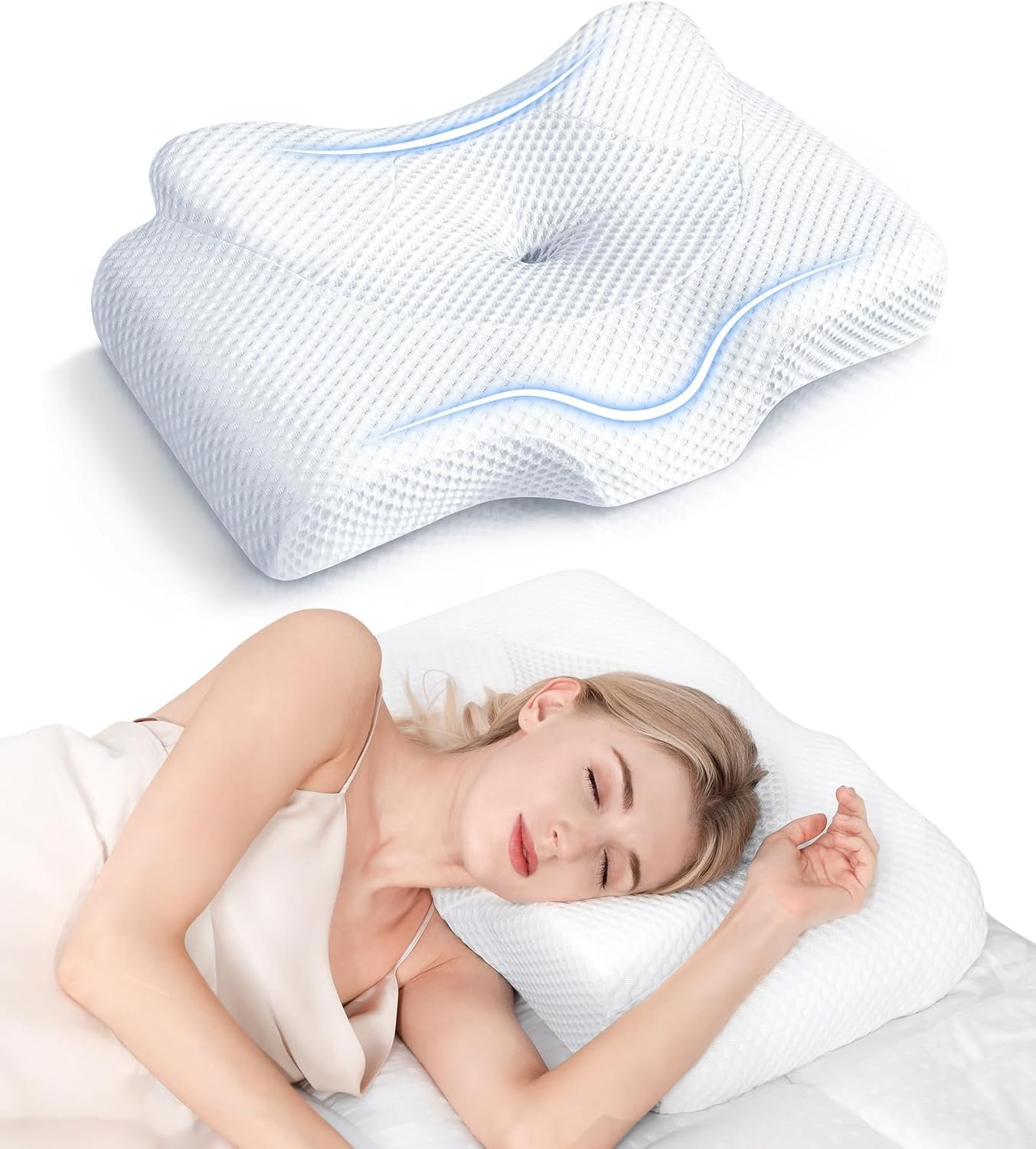
Wearable trainers, belts, pillows, and vibration devices aim to reduce back sleeping. They are most relevant when snoring is clearly position-dependent. Comfort, adherence, and the ability to change position safely matter, and a positional device should not be used to self-treat suspected sleep apnea without evaluation.
Chin Straps and Mouth-Closing Products
A chin strap may reduce mouth opening but does not move the jaw forward or reliably open a blocked throat. It can be uncomfortable and is a poor choice when nasal breathing is restricted. Mouth-closing products should never delay sleep-apnea evaluation, and mouth taping can create additional safety concerns.
Smart Anti-Snoring Products
Some wearables or pillows detect sound and vibrate or reposition the sleeper. Detection accuracy, response, comfort, and evidence vary, and a quieter recording does not prove breathing is healthy. Review privacy and subscription terms, and do not use consumer data as a diagnosis.
How to Choose Safely
Start by identifying the likely cause and choose a product with a reasonable return policy. Avoid claims of a permanent cure, review contraindications, and stop if a device causes pain, breathing difficulty, skin injury, tooth movement, or jaw problems. Clinician and dental follow-up are important for oral appliance therapy.
Recommended Products
Relevant picks from our current product catalog. Compare features and suitability before buying.
We may earn a commission from qualifying purchases at no extra cost to you. Prices and availability may change on Amazon.
Frequently Asked Questions
Sources & further reading
These authoritative resources informed the health guidance in this article.
Related Guides
About this guide
About the author
Alfredo Kofman is the independent publisher and editor of SleepSolutions.com. He organizes each guide around authoritative sources, clear safety boundaries, and transparent product disclosures. He is not a physician or sleep specialist, and this guide has not been presented as clinician-reviewed.
Disclaimer: This content is for informational purposes only and is not medical advice. Always consult a qualified healthcare professional for diagnosis and treatment.