Positional Therapy
Positional Therapy for Sleep Apnea
Changing sleep position can reduce breathing events in positional OSA, but the sleep study must show that position is truly a major factor.
Written by Alfredo Kofman, Publisher & EditorEditorial standards
Some people have substantially more obstructive events while sleeping on their back than on their side. Positional therapy uses behavioral techniques or a wearable device to reduce back sleeping. It is most appropriate when testing documents positional OSA and a clinician confirms that the remaining side-sleeping disease is adequately controlled.
Why Back Sleeping Can Worsen OSA
When a person lies on the back, gravity can allow the tongue and soft tissues to shift toward the airway. The effect depends on anatomy, sleep stage, weight, nasal breathing, and muscle tone. Some people show a dramatic positional difference, while others have frequent events in every position.
Identifying Positional OSA
A sleep study can compare breathing-event rates in supine and non-supine sleep. Interpretation requires enough time in each position and consideration of REM sleep, because a short sample can be misleading. A clinician should review the full study rather than relying on a consumer sleep-position tracker.
Types of Positional Therapy
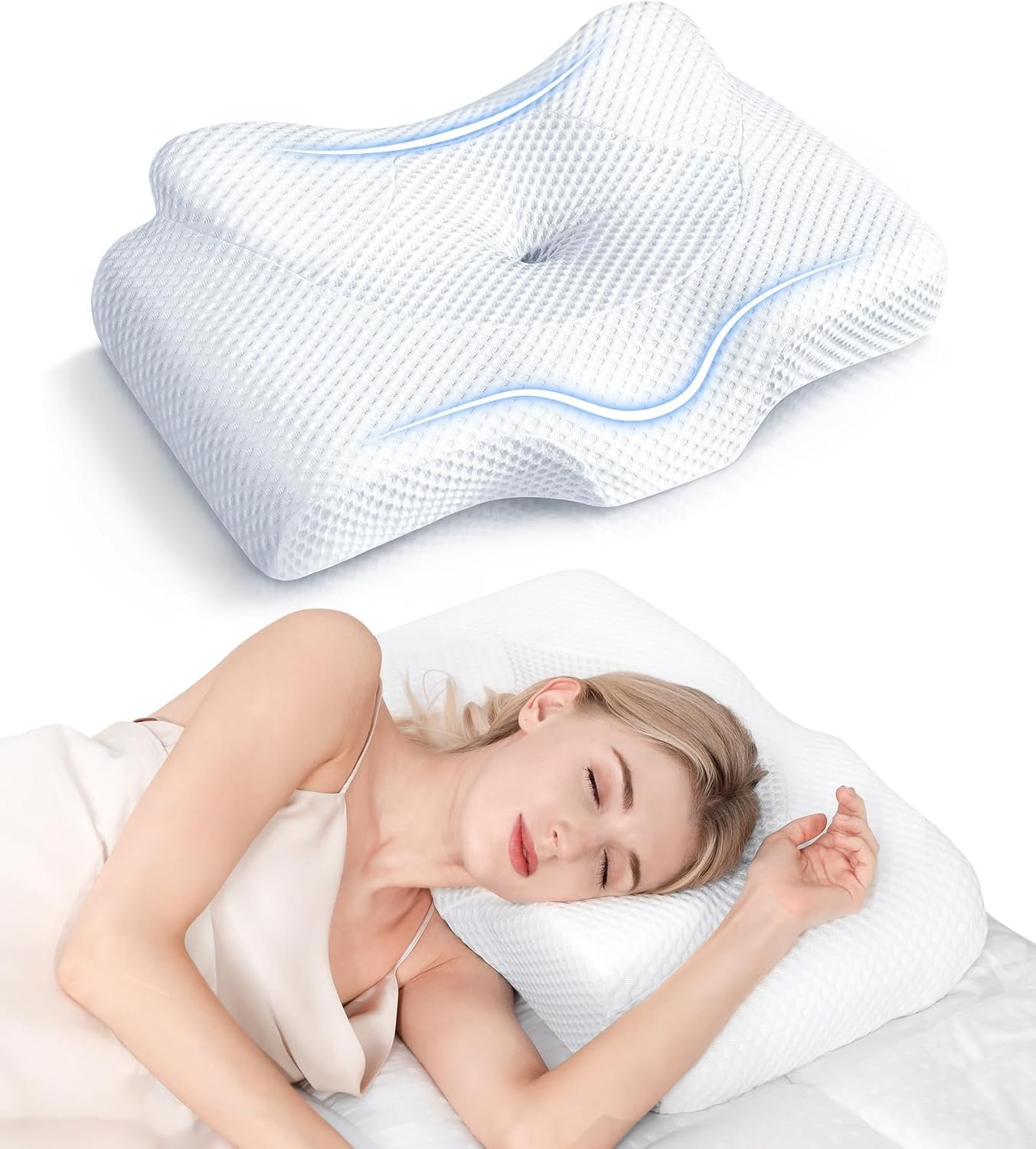
Options range from structured side-sleeping strategies and specialized pillows to belts or electronic trainers that vibrate when the user rolls onto the back. Comfort and the ability to remain off the back throughout the night determine real-world effectiveness. Improvised rigid objects may cause pain or skin injury.
Benefits and Limitations
Positional therapy is noninvasive and may be easier to travel with than PAP. It may be insufficient for moderate or severe disease, REM-predominant apnea, or people with substantial events while side sleeping. Shoulder, hip, reflux, mobility, pregnancy, or pain issues can also limit safe positioning.
Combining Treatments
A clinician may combine positional therapy with PAP, an oral appliance, weight management, or treatment of nasal symptoms. Combination care can sometimes reduce residual positional events, but it should not be used to lower or stop prescribed PAP without review.
Verify the Result
Improved snoring is encouraging but does not establish control. Follow-up testing may be needed while the positional method is used. Reassessment is also appropriate if symptoms return, body weight changes, the device is no longer tolerated, or another health condition changes sleep position.
Recommended Products
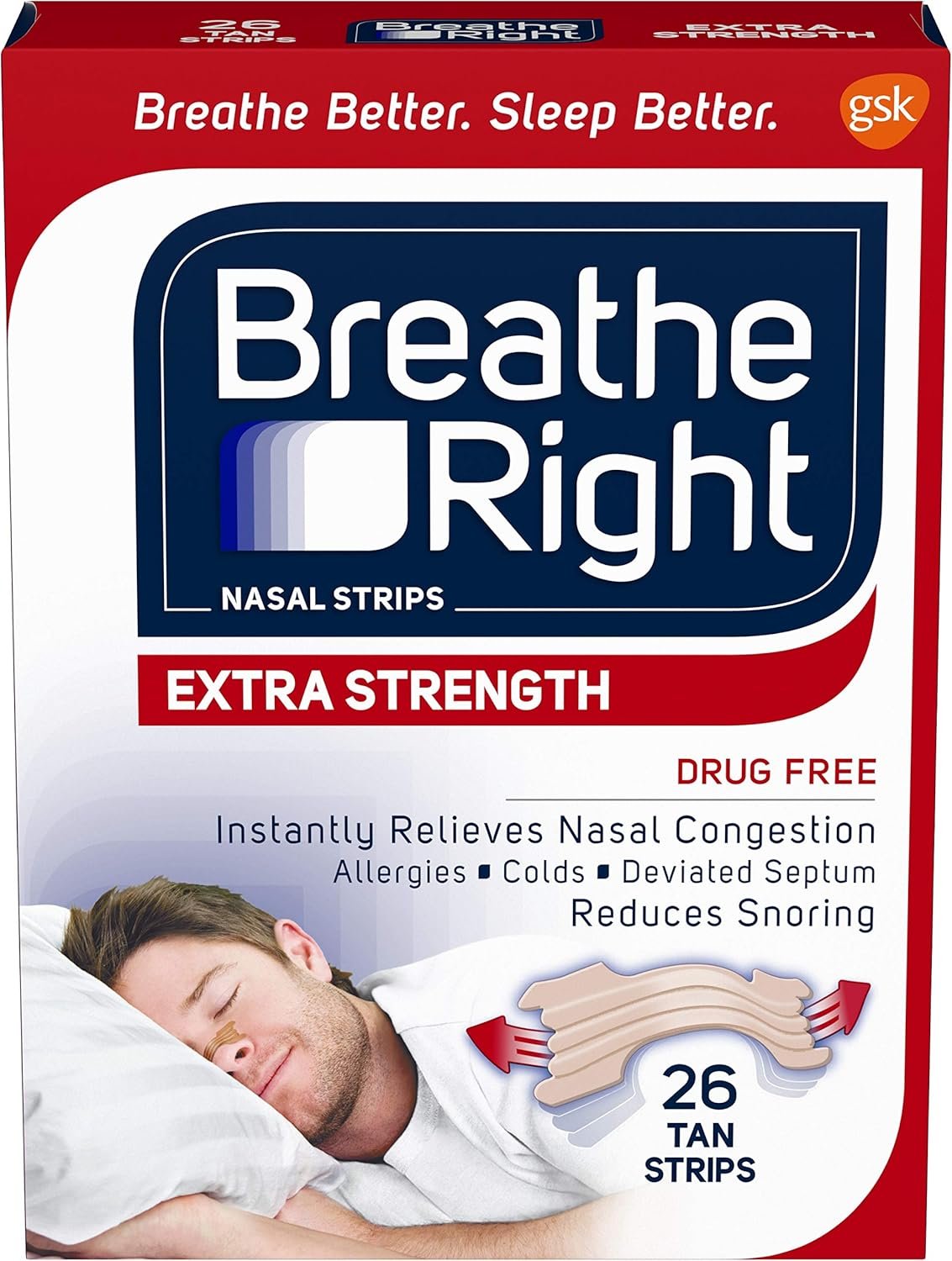
Relevant picks from our current product catalog. Compare features and suitability before buying.
We may earn a commission from qualifying purchases at no extra cost to you. Prices and availability may change on Amazon.
Frequently Asked Questions
Sources & further reading
These authoritative resources informed the health guidance in this article.
About this guide
About the author
Alfredo Kofman is the independent publisher and editor of SleepSolutions.com. He organizes each guide around authoritative sources, clear safety boundaries, and transparent product disclosures. He is not a physician or sleep specialist, and this guide has not been presented as clinician-reviewed.
Disclaimer: This content is for informational purposes only and is not medical advice. Always consult a qualified healthcare professional for diagnosis and treatment.