Treatment Overview
Sleep Apnea Treatment Options
Treatment should match the apnea type, severity, anatomy, symptoms, health conditions, and what a patient can use consistently.
Written by Alfredo Kofman, Publisher & EditorEditorial standards
Effective sleep apnea treatment begins with an objective diagnosis. Obstructive and central sleep apnea are managed differently, and even people with the same AHI may need different plans. A sleep clinician can combine therapies, address side effects, and verify that treatment is actually controlling breathing events.
Positive Airway Pressure
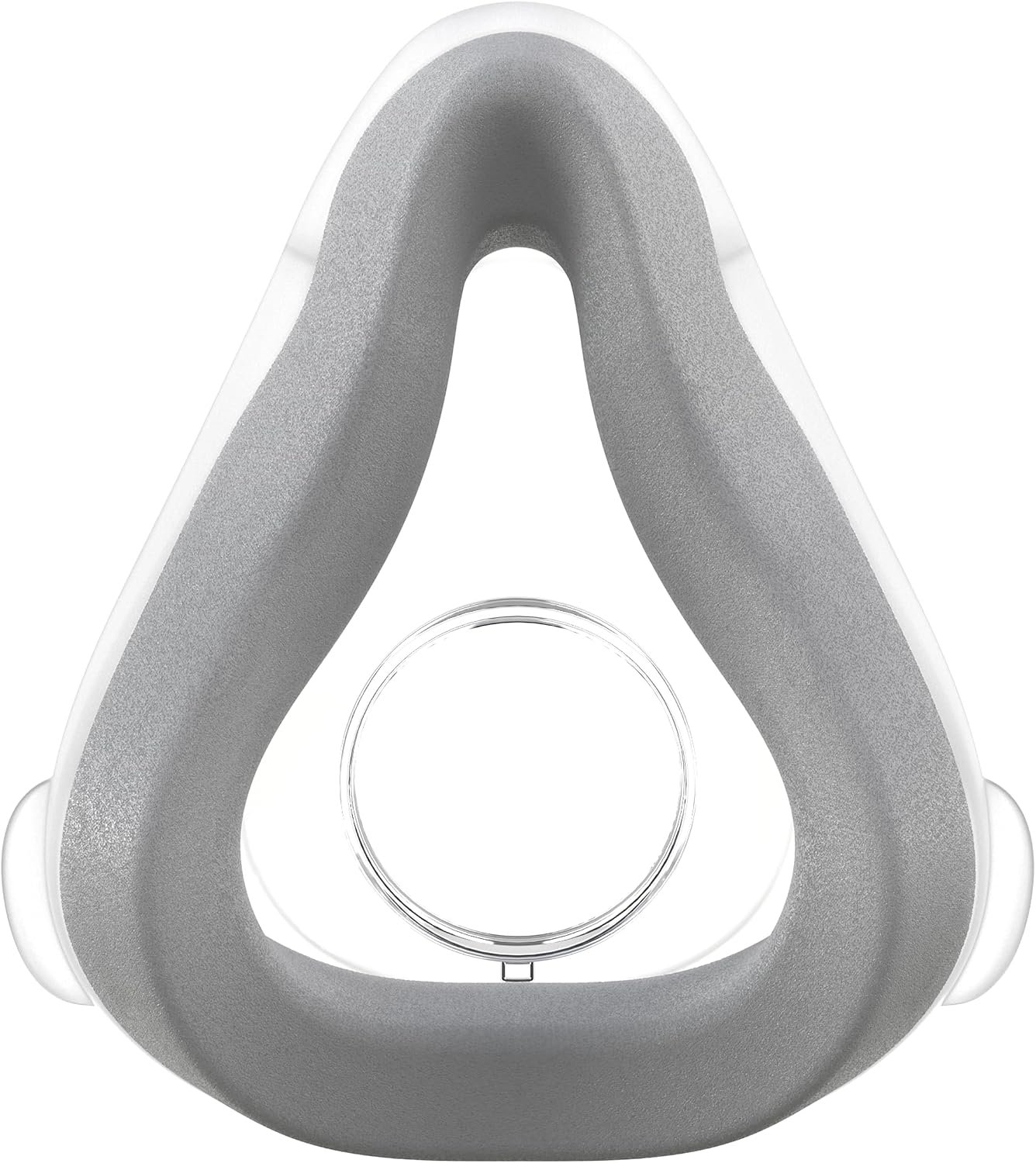
PAP therapy uses pressurized air through a mask to prevent airway collapse. CPAP provides a fixed pressure, APAP adjusts pressure within a prescribed range, and bilevel devices use different inspiratory and expiratory pressures. PAP is highly effective when appropriately prescribed and used, but mask fit, dryness, pressure comfort, and follow-up often determine long-term success.
Custom Oral Appliances
A custom, titratable mandibular advancement device can be considered for selected adults who prefer it or cannot tolerate CPAP. It moves the lower jaw forward to enlarge or stabilize the airway. Qualified dental oversight and follow-up sleep testing are important because comfort does not prove that apnea is controlled.
Positional and Lifestyle Approaches
Side-sleeping therapy may help when events occur mainly on the back. Regular activity, avoiding alcohol near bedtime, smoking cessation, sufficient sleep, and weight management when relevant can support treatment. These strategies should not replace an effective prescribed therapy unless repeat evaluation shows that it is safe to do so.
Surgical Evaluation
Surgery may target enlarged tonsils, the soft palate, tongue base, jaw position, or obesity-related risk. Results depend on the site and pattern of airway collapse. AASM guidance supports discussing surgical referral in selected adults who cannot use PAP or have persistent adherence problems, while decisions require individualized risk-benefit review.
Newer and Specialized Treatments
Hypoglossal nerve stimulation can help a carefully screened subset of people with moderate-to-severe OSA who cannot tolerate PAP. The FDA has also approved tirzepatide for moderate-to-severe OSA in adults with obesity, alongside diet and physical activity. Eligibility, risks, monitoring, and insurance requirements are treatment-specific.
Measuring Whether Treatment Works
The right outcome is more than simply owning a device. Follow-up considers symptoms, nightly use, mask or dental side effects, residual breathing events, oxygen levels, blood pressure, weight changes, and sometimes repeat sleep testing. Never stop PAP or another prescribed treatment solely because symptoms improve without consulting the treating clinician.
Recommended Products
Relevant picks from our current product catalog. Compare features and suitability before buying.
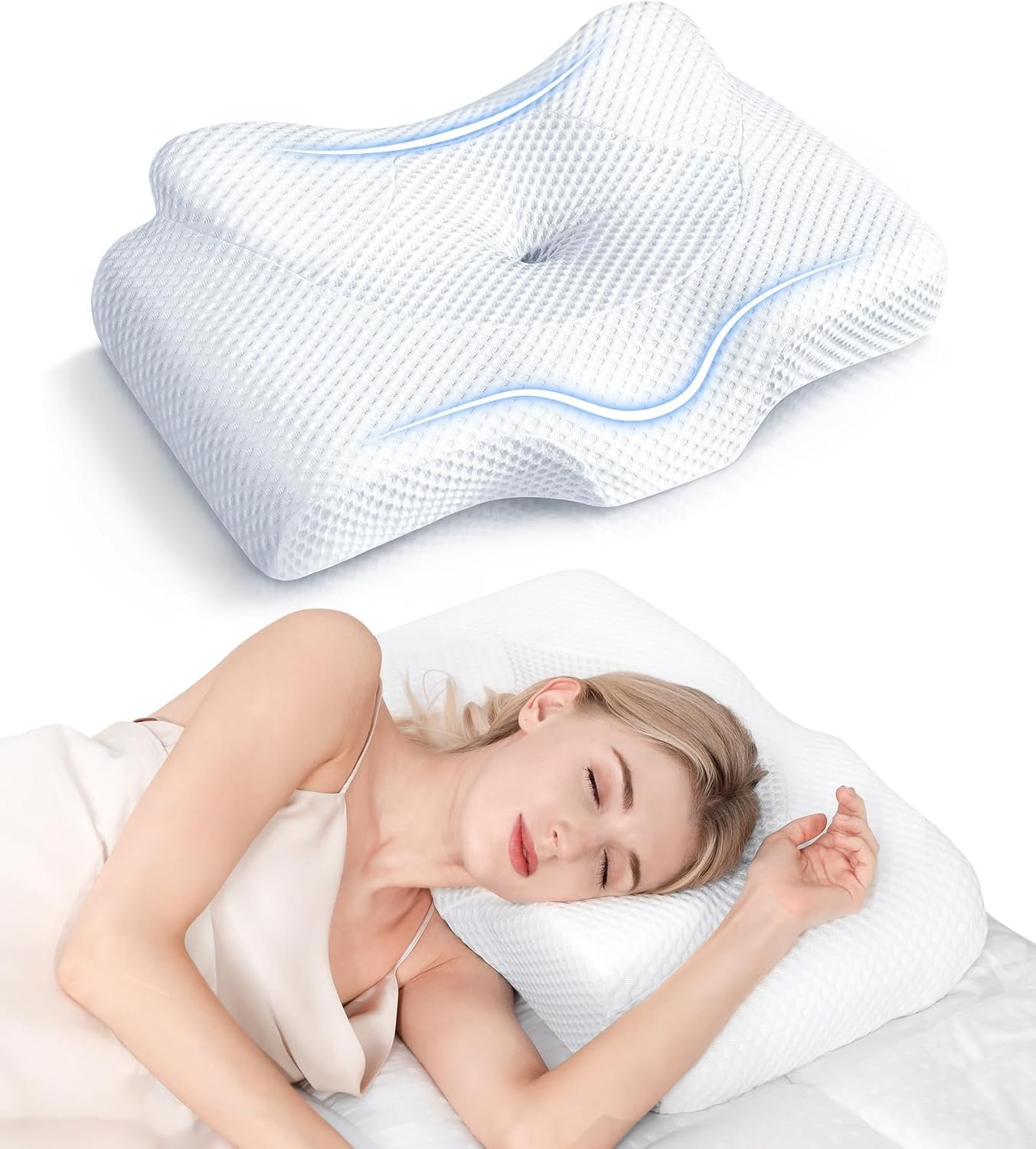
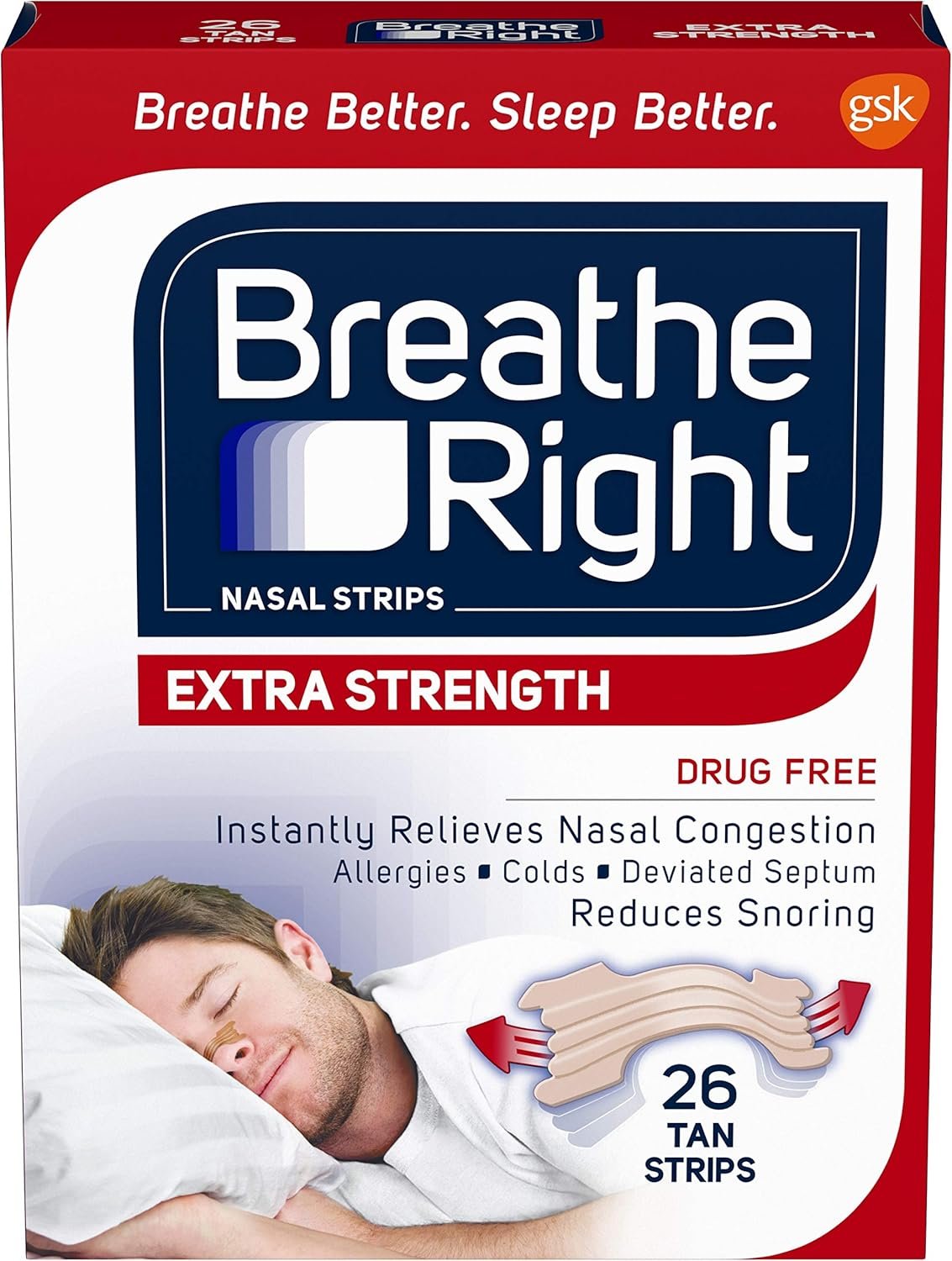
We may earn a commission from qualifying purchases at no extra cost to you. Prices and availability may change on Amazon.
Frequently Asked Questions
Sources & further reading
These authoritative resources informed the health guidance in this article.
Related Guides
About this guide
About the author
Alfredo Kofman is the independent publisher and editor of SleepSolutions.com. He organizes each guide around authoritative sources, clear safety boundaries, and transparent product disclosures. He is not a physician or sleep specialist, and this guide has not been presented as clinician-reviewed.
Disclaimer: This content is for informational purposes only and is not medical advice. Always consult a qualified healthcare professional for diagnosis and treatment.