Snoring Science
What Causes Snoring?
Understand how airflow, anatomy, sleep position, nasal blockage, and muscle relaxation combine to create snoring.
Written by Alfredo Kofman, Publisher & EditorEditorial standards
Snoring is the sound of tissue vibrating as air moves through a narrowed upper airway during sleep. The vibration may involve the soft palate, uvula, throat walls, tongue, or nasal passages. Identifying where and why the airway narrows matters because a treatment aimed at the wrong cause is unlikely to help.
How the Snoring Sound Is Made
During sleep, muscles that help hold the airway open relax. If airflow through the nose or throat becomes restricted, nearby soft tissue can flutter and create sound. Snoring volume alone cannot reliably tell you whether the blockage is mild or whether obstructive sleep apnea is present.
Sleep Position and Gravity
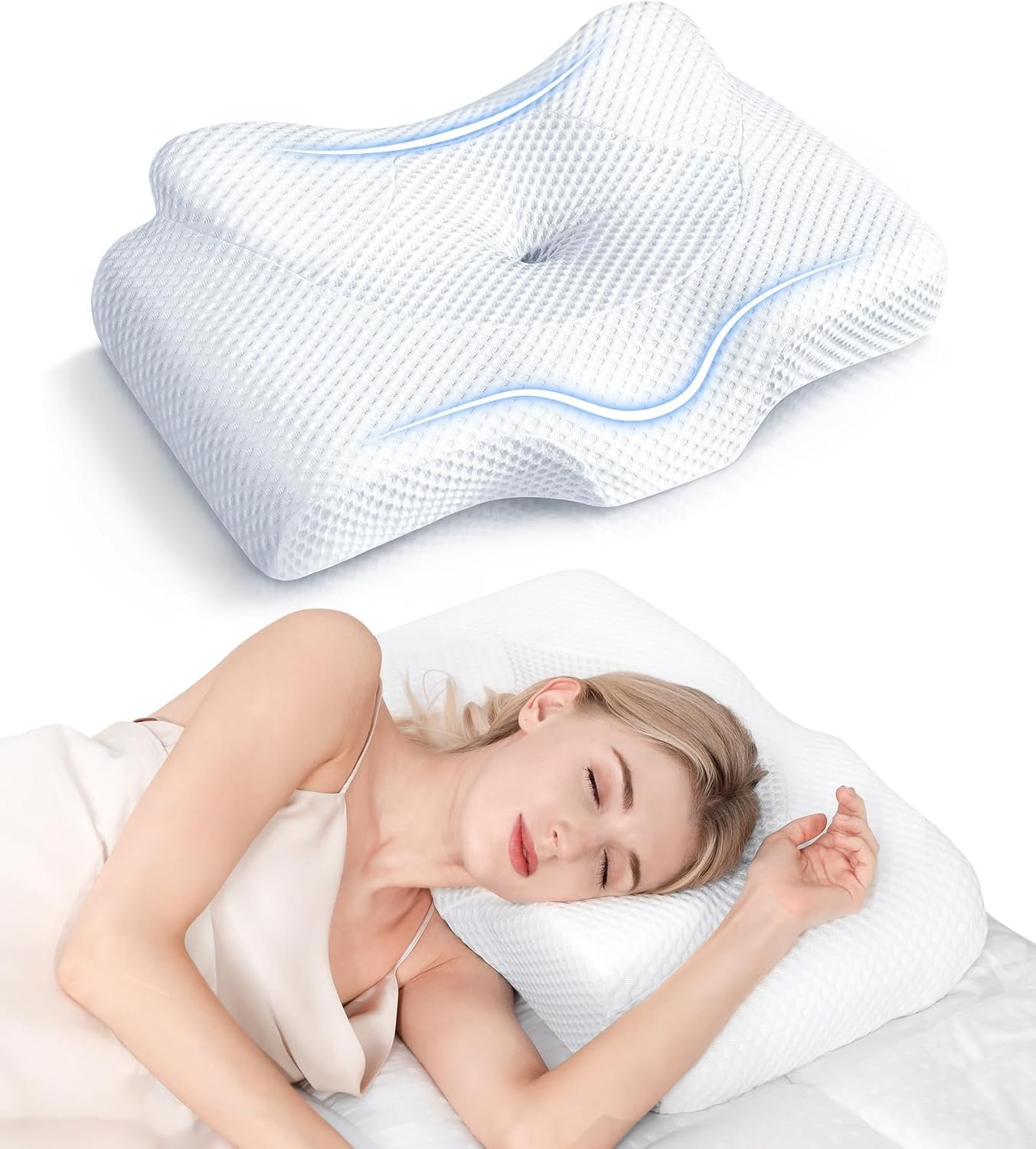
Back sleeping can allow the tongue and soft palate to settle toward the back of the throat in some people. Side sleeping may reduce snoring when position is a major contributor, but it will not correct every anatomical obstruction or treat all cases of sleep apnea.
Nasal Congestion and Structure
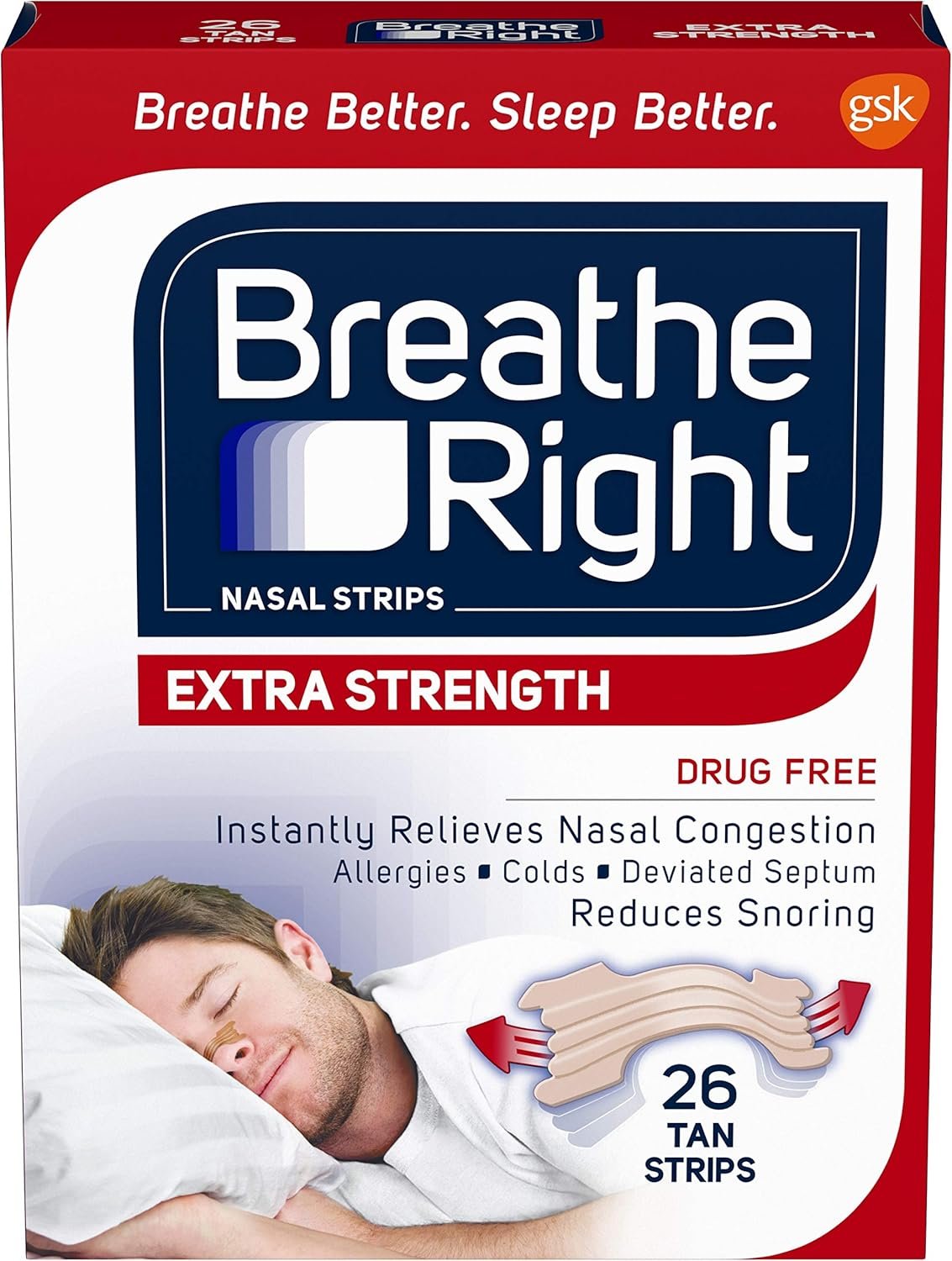
A cold, allergies, nasal polyps, swollen tissue, or a deviated septum can narrow nasal airflow. Mouth breathing may then increase turbulence and dryness. A clinician can distinguish temporary congestion from a structural issue and advise whether allergy care, nasal treatment, or an ear-nose-throat assessment is appropriate.
Mouth, Tongue, and Throat Anatomy
A relatively large tongue, enlarged tonsils, a long soft palate or uvula, or jaw structure can reduce airway space. Children who snore frequently need pediatric assessment because enlarged tonsils or adenoids and pediatric sleep apnea require a different approach from adult snoring.
Alcohol, Sedatives, Smoking, and Age
Alcohol and some sedating medicines can increase relaxation of upper-airway muscles and worsen snoring. Smoking may irritate and inflame airway tissue. Muscle tone and anatomy also change with age. Do not stop a prescribed medicine on your own; ask the prescriber whether it could affect breathing during sleep.
Body Weight and Other Health Factors
Additional tissue around the neck or airway can contribute to narrowing, although people at any body size can snore. Pregnancy-related swelling and other medical conditions may also change breathing. Weight-focused advice should be individualized and should not delay evaluation of possible sleep apnea.
When Snoring May Be Sleep Apnea
Warning signs include breathing that stops and restarts, gasping or choking, frequent loud snoring, morning headache, unrefreshing sleep, and significant daytime sleepiness. A healthcare professional may review symptoms, examine the airway, and order a home or laboratory sleep study when appropriate.
Recommended Products
Relevant picks from our current product catalog. Compare features and suitability before buying.

We may earn a commission from qualifying purchases at no extra cost to you. Prices and availability may change on Amazon.
Frequently Asked Questions
Sources & further reading
These authoritative resources informed the health guidance in this article.
About this guide
About the author
Alfredo Kofman is the independent publisher and editor of SleepSolutions.com. He organizes each guide around authoritative sources, clear safety boundaries, and transparent product disclosures. He is not a physician or sleep specialist, and this guide has not been presented as clinician-reviewed.
Disclaimer: This content is for informational purposes only and is not medical advice. Always consult a qualified healthcare professional for diagnosis and treatment.