Safer Setup
Sound Machine Volume & Placement
Distance, loudness, and duration work together; the safest useful setup masks disruption without surrounding the sleeper in unnecessary sound.
Written by Alfredo Kofman, Publisher & EditorEditorial standards
A sound machine is often used for hours at a time, so setup matters more than a single volume-number rule. Controls are not standardized across brands, rooms change measured levels, and phone sound-meter apps have limitations. Start far from the head, use the lowest setting that does the job, and keep essential alerts clearly audible.
Begin With the Lowest Effective Volume
Turn the machine down until the target disturbance becomes noticeable, then increase it only slightly. Complete coverage is unnecessary and can create excessive exposure. If the required level feels intrusive, return to source control, move the bed, improve seals or furnishings, or accept that masking is not suitable for that noise.
Place It Between You and the Disturbance
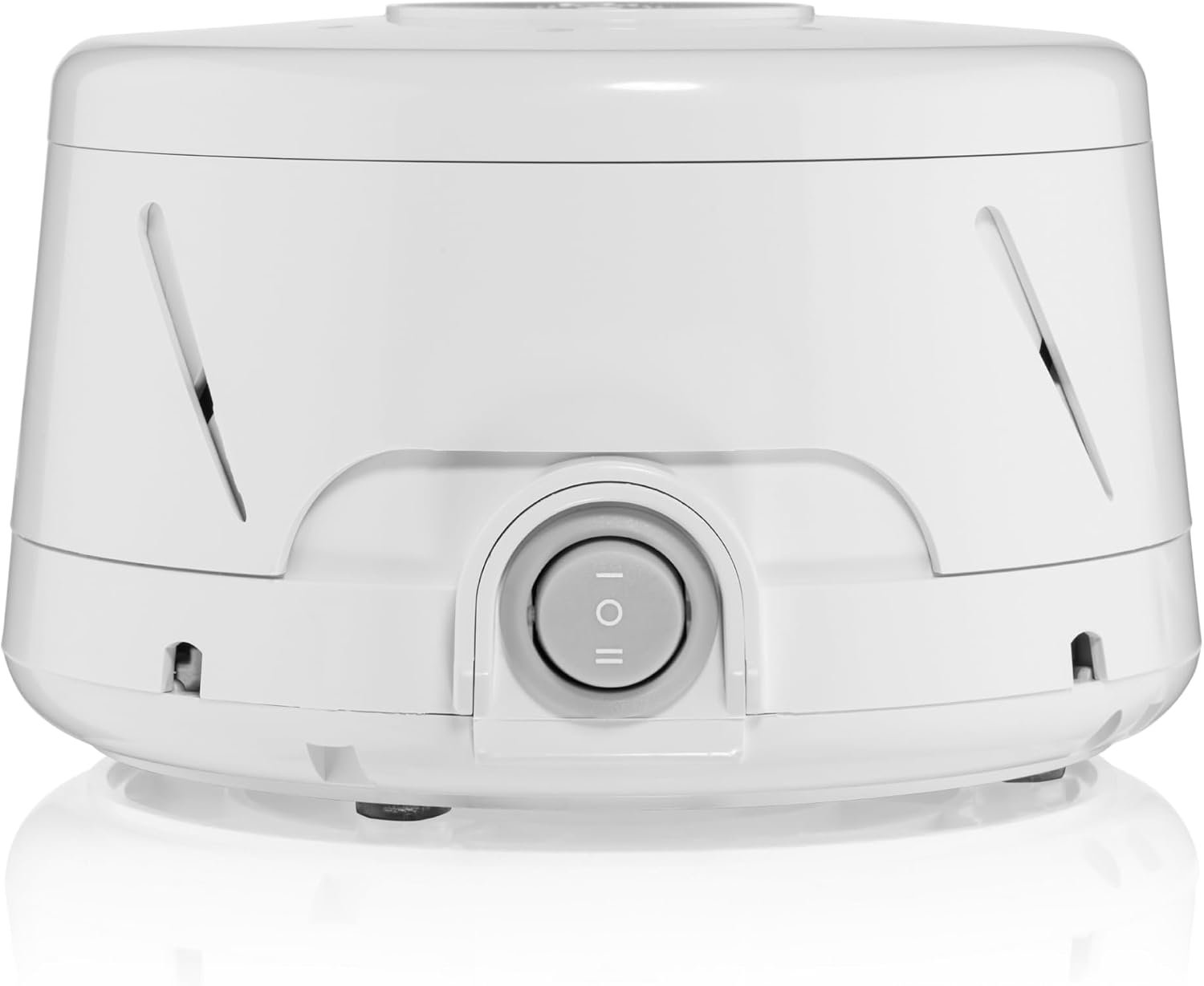
A machine near the window, door, or shared wall may mask more efficiently than one beside the pillow. Keep it on a stable, ventilated surface where fabric cannot cover the speaker or air intake. Distance from the ear usually lowers exposure and can make the sound blend into the room more naturally.
Do Not Mask Safety-Critical Sound
Test smoke and carbon-monoxide alarms according to their instructions and confirm they remain clearly audible from bed with the machine running. The same applies to medical alerts, baby monitors, door alarms, a caregiver call, and wake alarms. People with hearing loss may need accessible visual or vibration alerts.
Extra Caution for Babies and Children
Children are not small adults, and a machine should never be placed in or attached to a crib. A study of infant devices found that many exceeded 85 dBA at maximum volume from 10 cm, while none exceeded that threshold at maximum from 30 or 100 cm. This does not make 85 dBA a recommended nursery target; use conservative volume, substantial distance, and limited duration.
Decibels and Measurement Limits
Decibels use a logarithmic scale, so small-looking increases can represent meaningful changes in sound energy. NIOSH's 85 dBA limit is an occupational eight-hour exposure recommendation, not a bedroom goal. Consumer phone apps can help compare setups but may be inaccurate without calibration, especially at low frequencies and quiet levels.
Warning Signs to Take Seriously
Reduce or stop use for ringing, muffled hearing, ear discomfort, sound sensitivity, headache, or a pattern of needing more volume. Persistent tinnitus or hearing difficulty should be evaluated. If a sleeper cannot hear alarms or normal speech nearby, the setup is too intrusive regardless of the number shown on the dial.
Recommended Products
Relevant picks from our current product catalog. Compare features and suitability before buying.
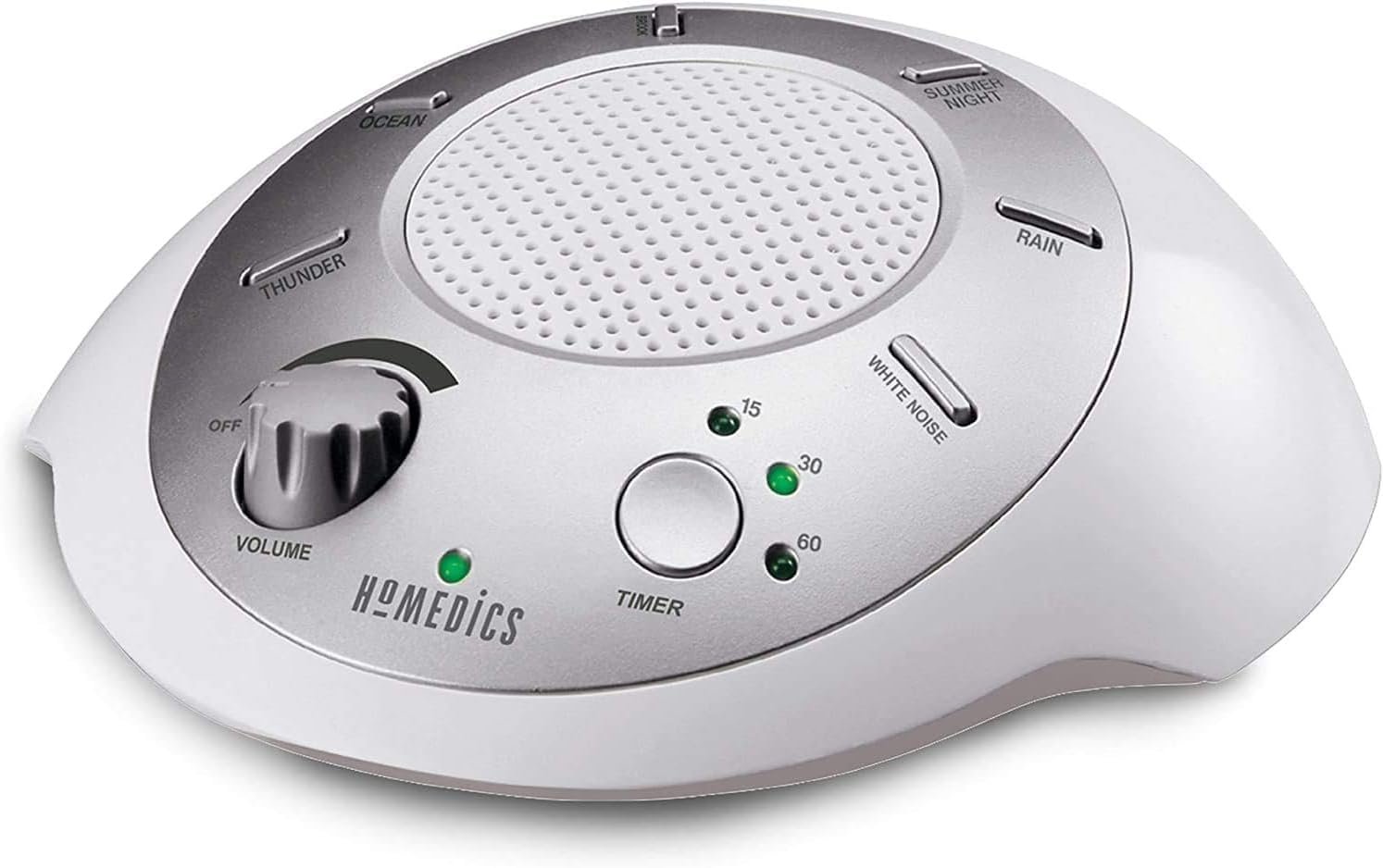
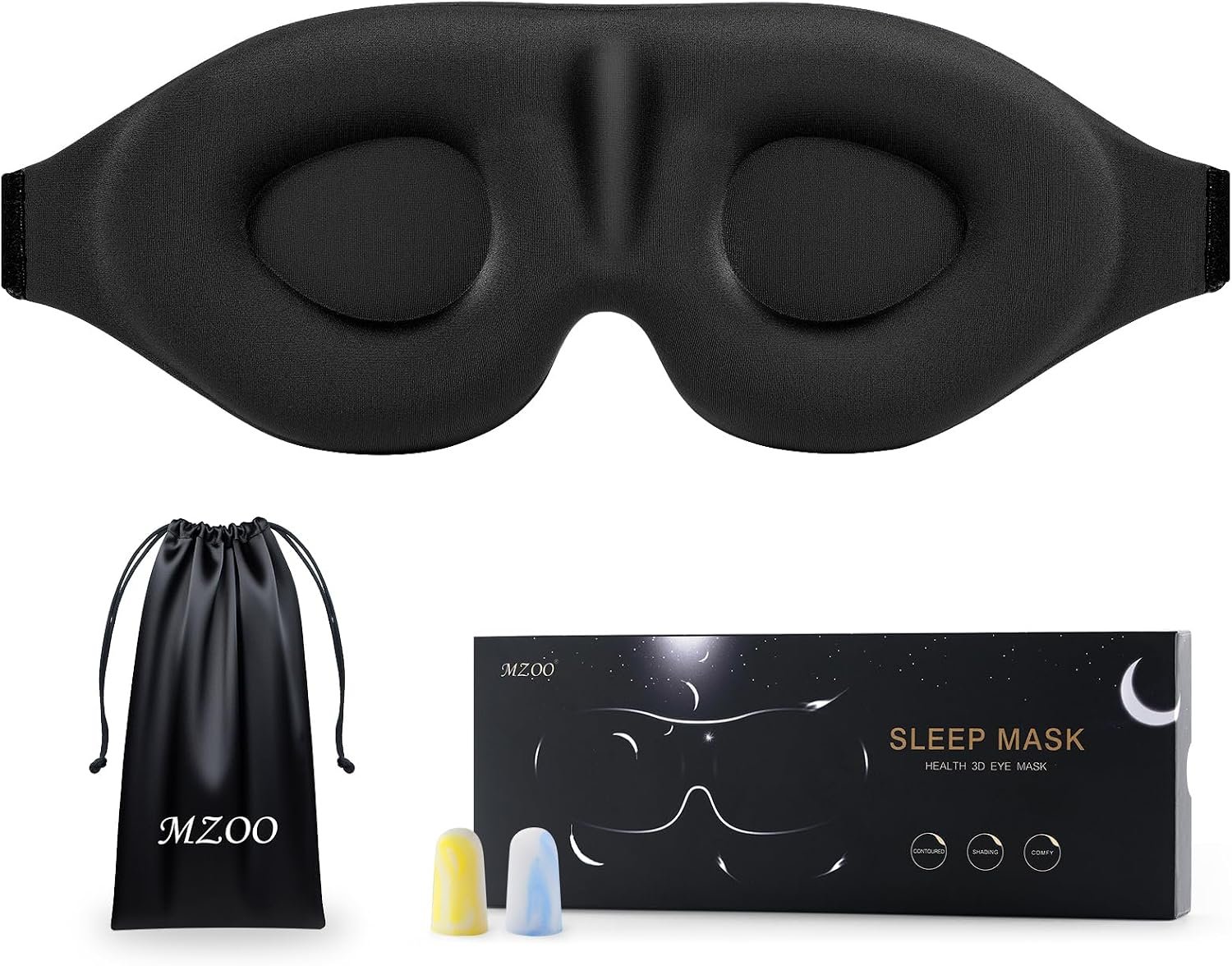
We may earn a commission from qualifying purchases at no extra cost to you. Prices and availability may change on Amazon.
Frequently Asked Questions
Sources & further reading
These authoritative resources informed the health guidance in this article.
Related Guides
About this guide
About the author
Alfredo Kofman is the independent publisher and editor of SleepSolutions.com. He organizes each guide around authoritative sources, clear safety boundaries, and transparent product disclosures. He is not a physician or sleep specialist, and this guide has not been presented as clinician-reviewed.
Disclaimer: This content is for informational purposes only and is not medical advice. Always consult a qualified healthcare professional for diagnosis and treatment.