Sound Masking Guide
Sound Masking for Sleep
A steady background can reduce contrast with sudden noise, but it does not erase sound or guarantee better sleep.
Written by Alfredo Kofman, Publisher & EditorEditorial standards
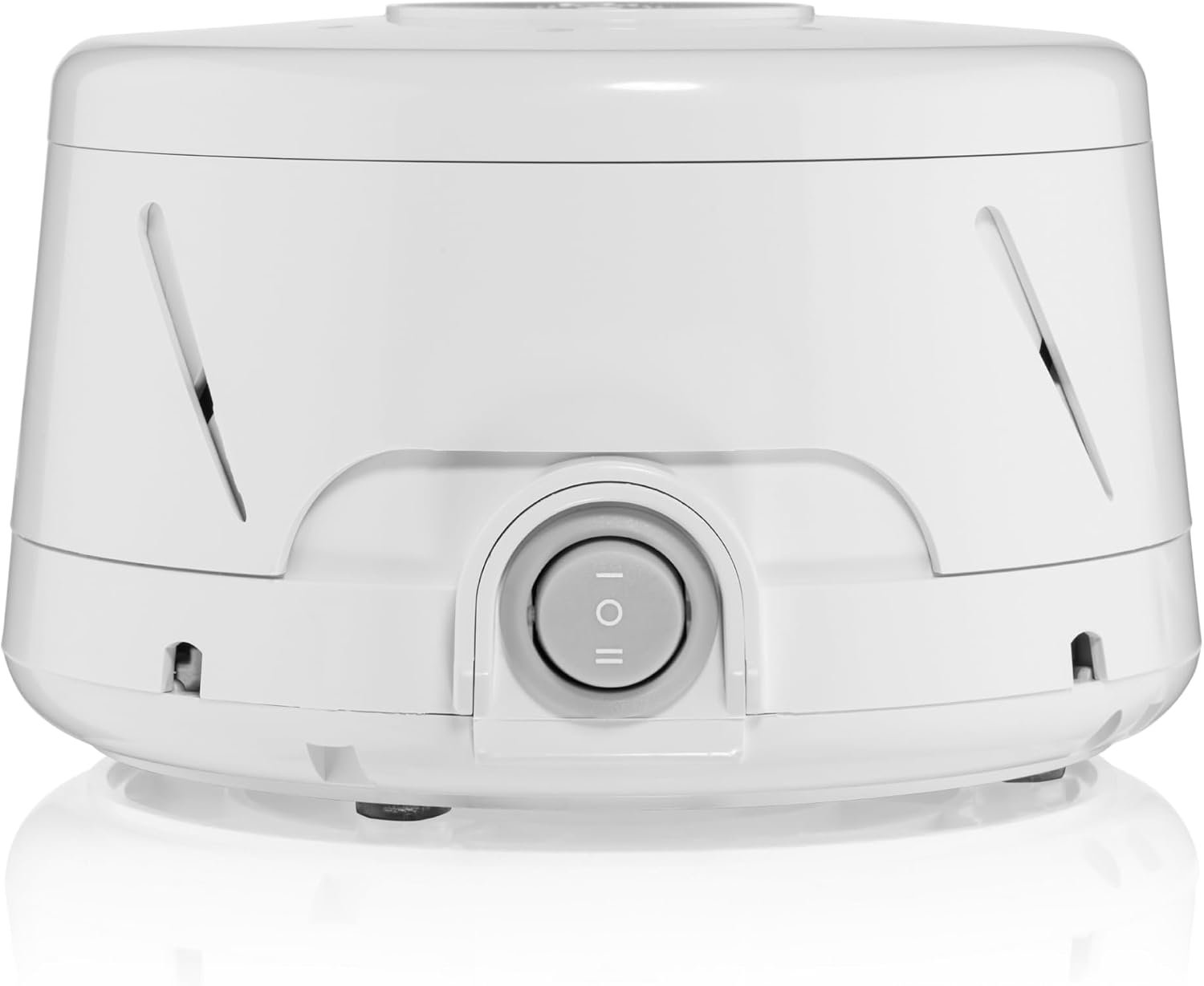
Sound masking adds a consistent background so intermittent noises such as voices, doors, plumbing, or traffic stand out less. The goal is not to make the room loud. It is to use the lowest comfortable sound that softens unavoidable changes after quieter fixes have been tried.
Masking Changes Contrast, Not the Noise Source
A sudden sound is noticeable partly because it differs from the room's baseline. Raising that baseline slightly with a steady sound can make peaks feel less abrupt. The original noise still exists, and masking cannot reliably cover vibration, bass transmitted through walls, or very loud events without becoming too loud itself.
Remove or Reduce the Source First
Silence notifications, repair rattling vents, move ticking clocks, close gaps, use soft door stops, and discuss repeat disturbances before adding sound. Curtains, rugs, bookcases, weatherstripping, and moving the bed away from a shared wall may reduce transmission. Masking is most useful when the remaining source cannot be controlled.
Match the Background to the Disturbance
Higher-frequency hiss may cover speech consonants or light traffic, while lower, fan-like sound may feel better against rumble. Perfect frequency matching is unnecessary for most bedrooms. Start with the least intrusive option and avoid chasing complete coverage, which can tempt you to raise the volume excessively.
What the Evidence Can and Cannot Say
Studies of continuous noise include hospitals, laboratories, homes, different sound types, and different outcome measures. A 2020 systematic review judged the evidence for sleep improvement to be very low quality and found results ranging from benefit to disruption. A later review also found mixed findings, so personal response matters.
Who Might Find It Useful
Masking may help people in apartments, hotels, shift-work households, or rooms with intermittent but moderate noise. It is less likely to solve insomnia driven by worry, pain, breathing problems, restless legs, or an irregular schedule. Persistent sleep difficulty deserves assessment rather than progressively louder sound.
Keep Safety Signals Audible
A sound machine should not hide smoke or carbon-monoxide alarms, a child's cry, a medical alert, door alarms, or a required wake-up alarm. Place the device away from the pillow and use the lowest effective setting. Stop or reduce use if you notice ringing, muffled hearing, discomfort, headache, or increasing volume needs.
Recommended Products
Relevant picks from our current product catalog. Compare features and suitability before buying.
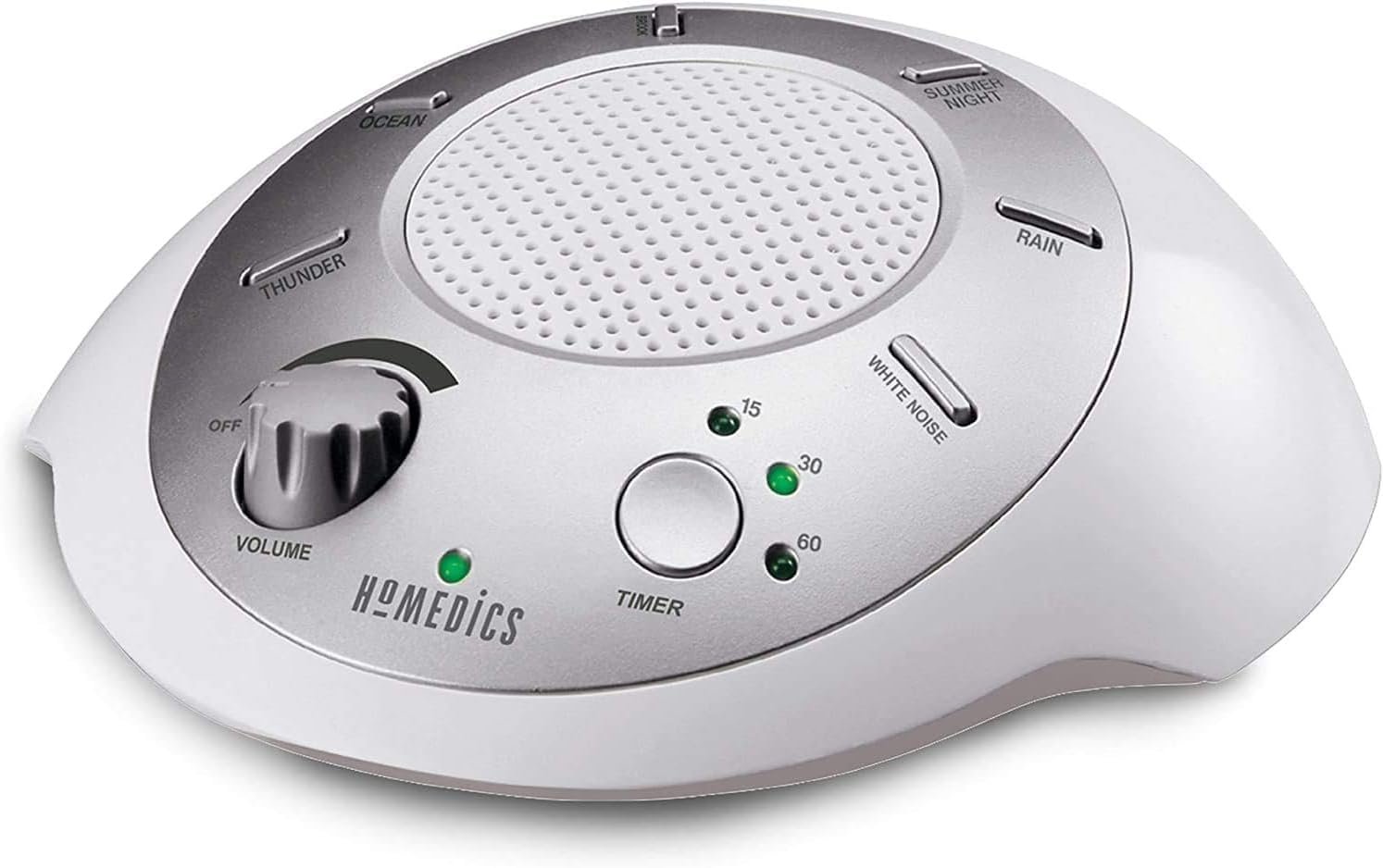
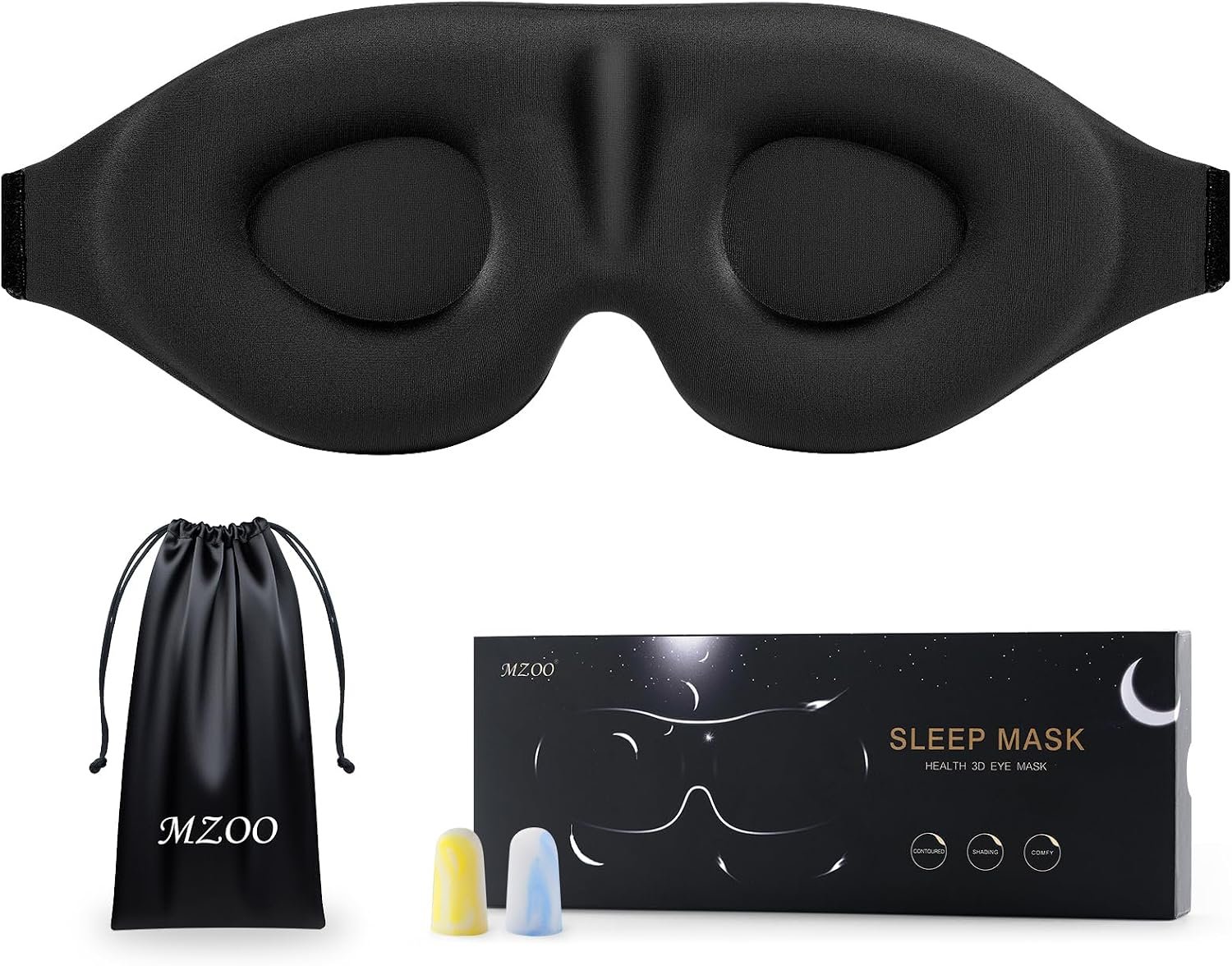
We may earn a commission from qualifying purchases at no extra cost to you. Prices and availability may change on Amazon.
Frequently Asked Questions
Sources & further reading
These authoritative resources informed the health guidance in this article.
Related Guides
About this guide
About the author
Alfredo Kofman is the independent publisher and editor of SleepSolutions.com. He organizes each guide around authoritative sources, clear safety boundaries, and transparent product disclosures. He is not a physician or sleep specialist, and this guide has not been presented as clinician-reviewed.
Disclaimer: This content is for informational purposes only and is not medical advice. Always consult a qualified healthcare professional for diagnosis and treatment.