Buying Comparison
Digital vs. Mechanical Sound Machines
The better design is the one that produces a steady, comfortable sound with simple controls and no features that disturb your sleep.
Written by Alfredo Kofman, Publisher & EditorEditorial standards
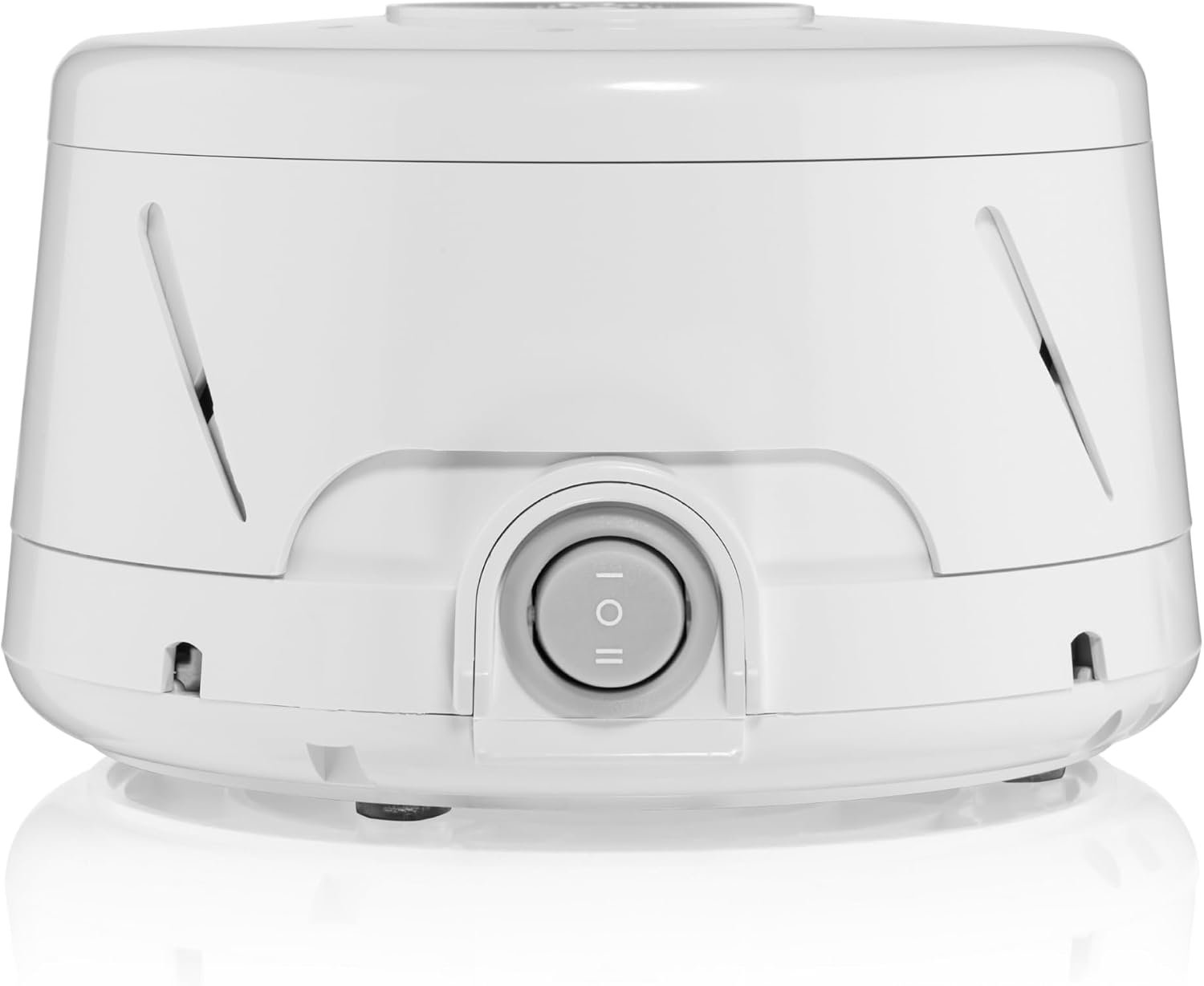
Mechanical sound machines use a small fan and adjustable housing to shape real airflow noise. Digital models generate or replay sound through a speaker. Both can provide useful masking, and neither type is inherently more effective for sleep. The practical differences involve sound character, variety, controls, travel, and reliability.
How Mechanical Machines Work
A fan spins inside an enclosure while vents or an outer shell change tone and airflow. The sound does not rely on a short recording, so there is no conventional loop. Mechanical units often offer a tactile, simple experience, but they have fewer sound choices and contain moving parts that can collect dust or develop vibration over time.
How Digital Machines Work
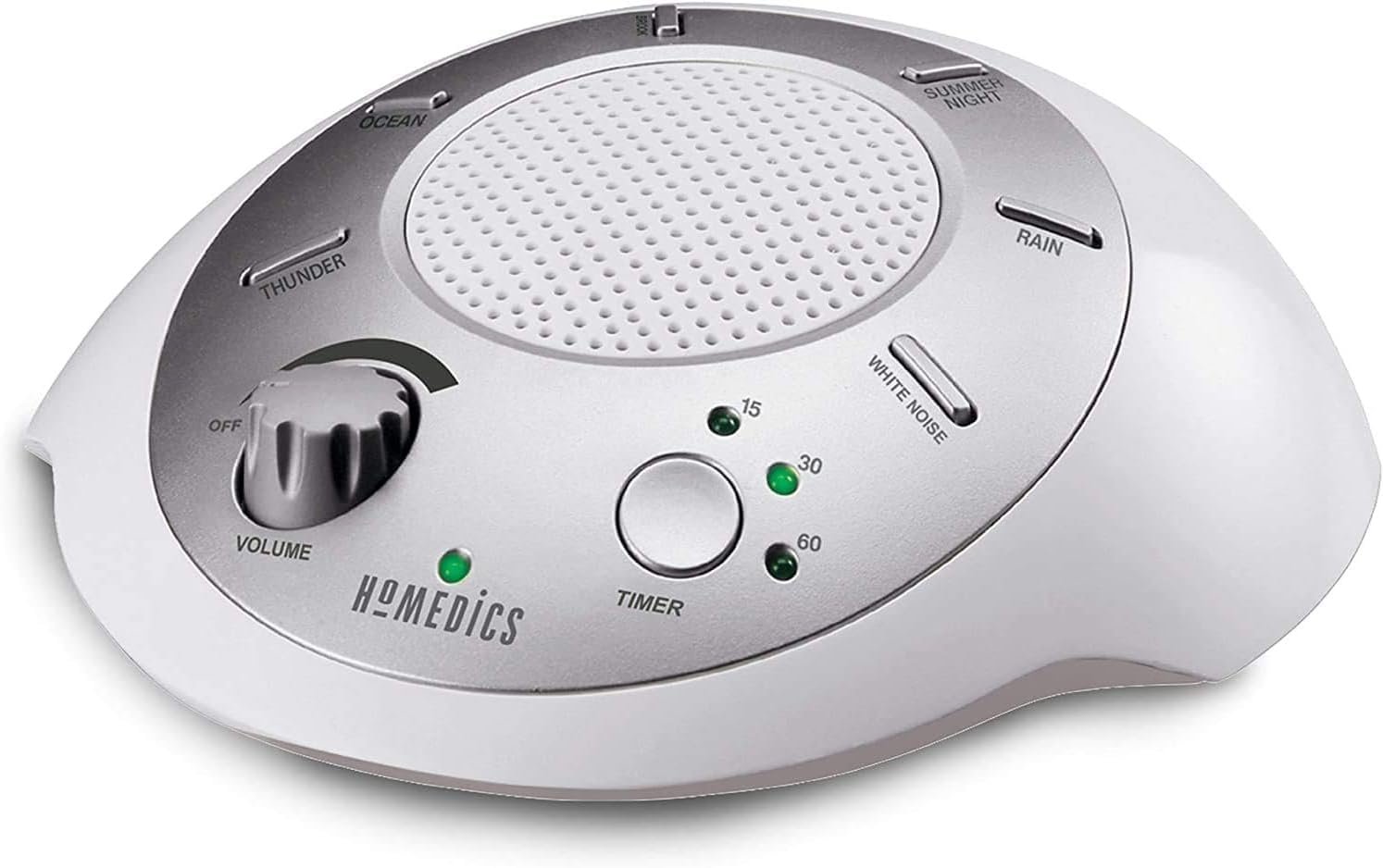
Digital devices play stored recordings or algorithmically generated audio. They can offer white, pink, brown, fan, rain, and other sounds, plus timers and memory. Quality varies: short loops, compression artifacts, sudden transitions, or a speaker that distorts at low volume can make an otherwise appealing feature list less useful.
Controls in a Dark Room
Buttons should be distinguishable by touch, and volume changes should be fine enough to find a quiet masking level. Check whether lights can be fully dimmed, whether startup chimes can be disabled, and whether the machine remembers the previous sound and volume without requiring a phone.
Power, Travel, and Reliability
Mechanical units typically use wall power and may be bulkier. Digital models may add USB power, batteries, or compact travel designs. Verify whether battery mode limits volume or runtime, what happens after a power interruption, and whether the machine restarts unexpectedly at a higher setting.
Apps, Accounts, and Privacy
Connected models can add schedules, remote control, or new sounds, but an account and phone may add friction at bedtime. Review what works offline, whether core features require a subscription, what data the app collects, and how long software support is promised. A sound machine does not need internet access to perform its basic job.
A Fair Side-by-Side Test
Listen from the bed at the same low perceived loudness, not from inches away in a store. Compare steadiness, tonal comfort, loop detection, control noise, display light, alarm audibility, and partner response. Favor the simpler machine if additional features do not solve a specific need.
Recommended Products
Relevant picks from our current product catalog. Compare features and suitability before buying.
We may earn a commission from qualifying purchases at no extra cost to you. Prices and availability may change on Amazon.
Frequently Asked Questions
Sources & further reading
These authoritative resources informed the health guidance in this article.
About this guide
About the author
Alfredo Kofman is the independent publisher and editor of SleepSolutions.com. He organizes each guide around authoritative sources, clear safety boundaries, and transparent product disclosures. He is not a physician or sleep specialist, and this guide has not been presented as clinician-reviewed.
Disclaimer: This content is for informational purposes only and is not medical advice. Always consult a qualified healthcare professional for diagnosis and treatment.