Oral Appliance Guide
Oral Appliances for Sleep Apnea
A custom dental treatment can help selected adults, but fit, gradual adjustment, and verified effectiveness are essential.
Written by Alfredo Kofman, Publisher & EditorEditorial standards
Oral appliance therapy usually uses a mandibular advancement device that holds the lower jaw forward during sleep. This can create more room behind the tongue and reduce airway collapse. It is a prescribed treatment for selected patients, not the same as buying an unadjusted anti-snoring mouthpiece online.
Who May Be a Candidate
A sleep physician may consider an oral appliance for an adult with OSA who cannot tolerate CPAP or prefers an alternative after discussing tradeoffs. Severity, teeth and gum health, jaw function, anatomy, symptoms, and other medical conditions affect candidacy. CPAP generally reduces breathing events and oxygen disturbance more reliably.
Why Custom and Titratable Matters
A custom device is made from dental impressions or scans and can be advanced gradually. Titration seeks a balance between airway benefit and comfort. A qualified dentist trained in dental sleep medicine can evaluate the teeth, bite, jaw joints, and device fit before and during treatment.
Adjustment and Side Effects
Early effects may include excess saliva, dry mouth, tooth tenderness, jaw-muscle soreness, or temporary bite changes. Long-term tooth movement or bite alteration can occur. Morning jaw exercises, device adjustment, and scheduled dental follow-up may reduce problems, while persistent pain or joint symptoms need prompt evaluation.
Confirming That It Works
Less snoring does not prove that oxygen levels and breathing events are controlled. After the appliance has been adjusted, the sleep physician may order a follow-up sleep study with the device in place. Ongoing review is important if symptoms return, the device loosens, dental health changes, or weight changes substantially.
Care and Travel
Clean and store the appliance according to its instructions, protect it from heat, and inspect it for cracks or distortion. Bring it to dental reviews and pack it in a ventilated protective case for travel. Unlike PAP, an oral appliance does not require electricity, but it still needs nightly use and monitoring.
What Over-the-Counter Devices Cannot Do
Boil-and-bite products may be marketed for snoring, but they do not provide the same individualized fit, titration, dental supervision, or objective follow-up. A mouthpiece can also delay recognition of sleep apnea if snoring improves while breathing events continue.
Recommended Products
Relevant picks from our current product catalog. Compare features and suitability before buying.
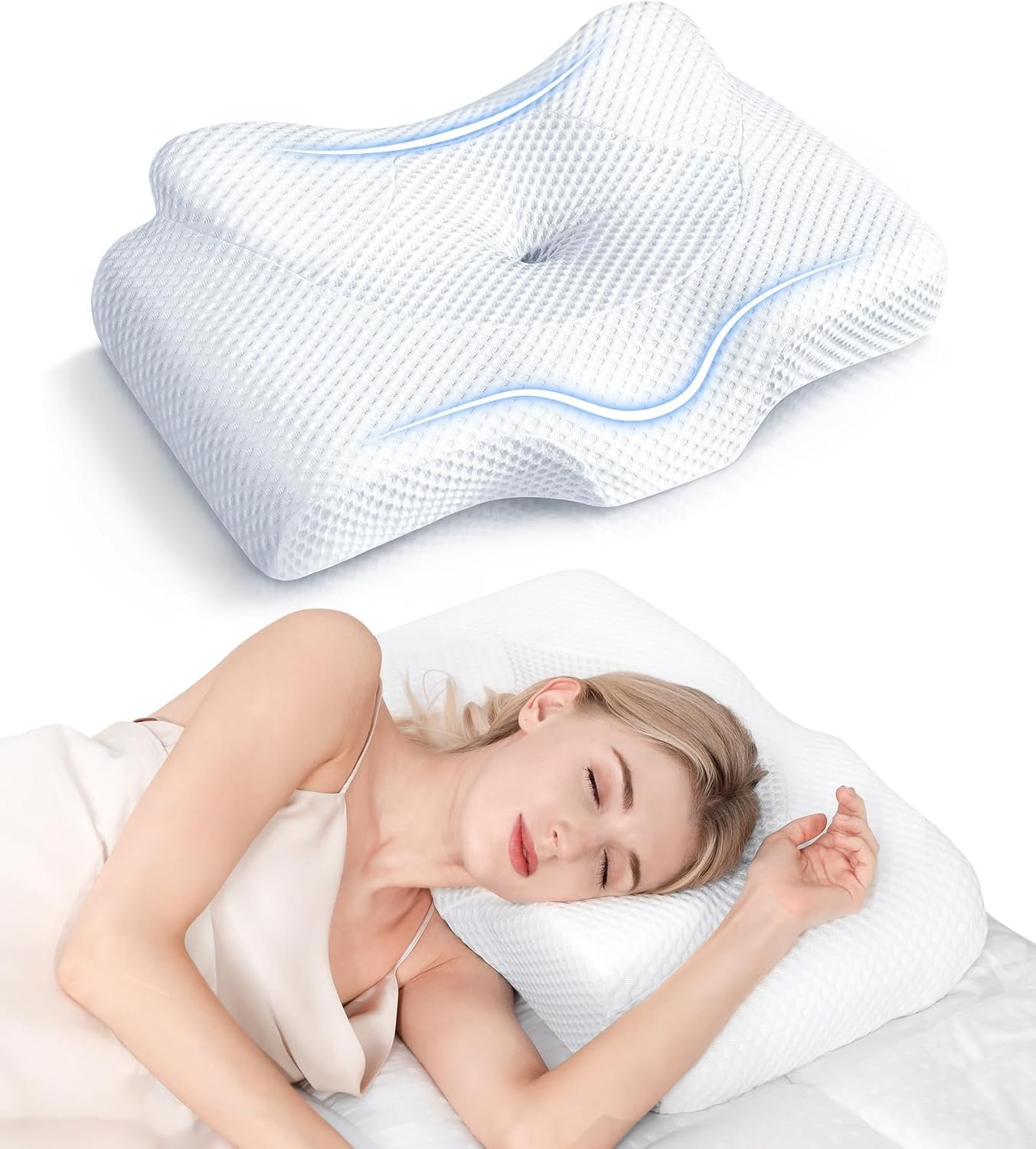
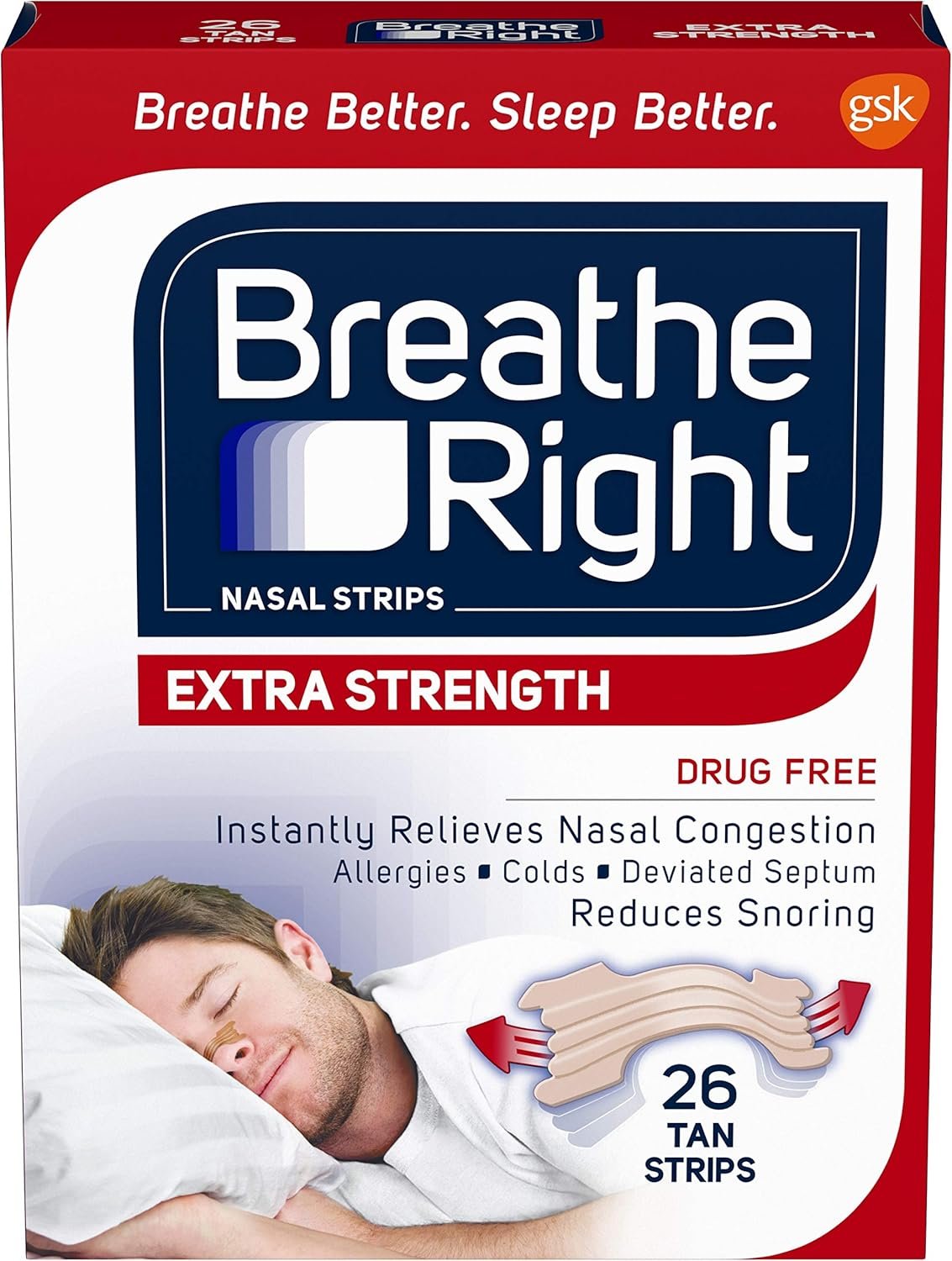
We may earn a commission from qualifying purchases at no extra cost to you. Prices and availability may change on Amazon.
Frequently Asked Questions
Sources & further reading
These authoritative resources informed the health guidance in this article.
Related Guides
About this guide
About the author
Alfredo Kofman is the independent publisher and editor of SleepSolutions.com. He organizes each guide around authoritative sources, clear safety boundaries, and transparent product disclosures. He is not a physician or sleep specialist, and this guide has not been presented as clinician-reviewed.
Disclaimer: This content is for informational purposes only and is not medical advice. Always consult a qualified healthcare professional for diagnosis and treatment.