Technology Guide
Smart Sleep Technology
Choose useful sleep technology without confusing estimates, scores, or marketing claims with medical evidence.
Written by Alfredo Kofman, Publisher & EditorEditorial standards
Smart sleep technology ranges from watches and rings to bedside sensors, connected lights, climate-control systems, and coaching apps. These tools can make patterns easier to notice or automate parts of the bedroom, but more data does not automatically produce better sleep. Begin with the problem you want to solve and choose the simplest device that addresses it.
Wearable Sleep Trackers
Watches and rings estimate sleep from signals such as movement, heart rate, and sometimes skin temperature or blood oxygen. They can be useful for observing broad trends in sleep timing and duration. Sleep-stage estimates vary by device and algorithm, however, and a consumer wearable does not measure sleep in the same way as clinical polysomnography.
Contactless and Bedside Sensors
Under-mattress pads and bedside radar or sound sensors avoid wearing a device overnight. Depending on the model, they may estimate movement, breathing, heart rate, room conditions, or snoring. Check whether the device works with a partner or pet in bed and whether core features require a paid subscription.
Smart Lights and Wake-Up Devices
Connected bulbs, dimming routines, and sunrise-style alarms can make evening and morning light more consistent. Automation is most useful when it supports a steady schedule rather than adding another screen-heavy bedtime task. A light alarm may be helpful in a dark room, but it should not replace an audible alarm when waking reliably is safety-critical.
Temperature and Mattress Technology
Heated or cooled mattress covers and smart climate systems can help sleepers who are routinely too warm or cold. Compare noise, maintenance, energy use, partner-zone controls, return policies, and the ongoing cost of subscriptions or replacement parts. People with impaired sensation or temperature regulation should ask a clinician whether powered heating or cooling is appropriate.
Accuracy, Scores, and Sleep Anxiety
Treat a nightly score as an estimate, not a verdict. The American Academy of Sleep Medicine states that consumer sleep technology should not be used to diagnose or treat a sleep disorder without appropriate validation and regulatory review. If checking data makes you anxious or encourages you to spend longer in bed chasing a score, hide detailed stages or take a break from tracking.
Privacy and Long-Term Cost
Sleep apps and connected devices may collect sensitive information, and many are not covered by the same privacy rules as a healthcare provider. Before buying, check what data is collected, whether it is sold or shared, how to delete it, which permissions are optional, and what stops working without a subscription. Use strong account security and keep apps and device software updated.
A Practical Buying Checklist
Define one outcome, such as masking noise, managing temperature, or observing schedule consistency. Then compare independent validation, comfort, accessibility, battery life, compatibility, offline function, privacy controls, warranty, return window, and total two-year cost. Bring concerning symptoms—not just device graphs—to a healthcare professional, especially loud snoring, breathing pauses, or severe daytime sleepiness.
Recommended Products
Relevant picks from our current product catalog. Compare features and suitability before buying.
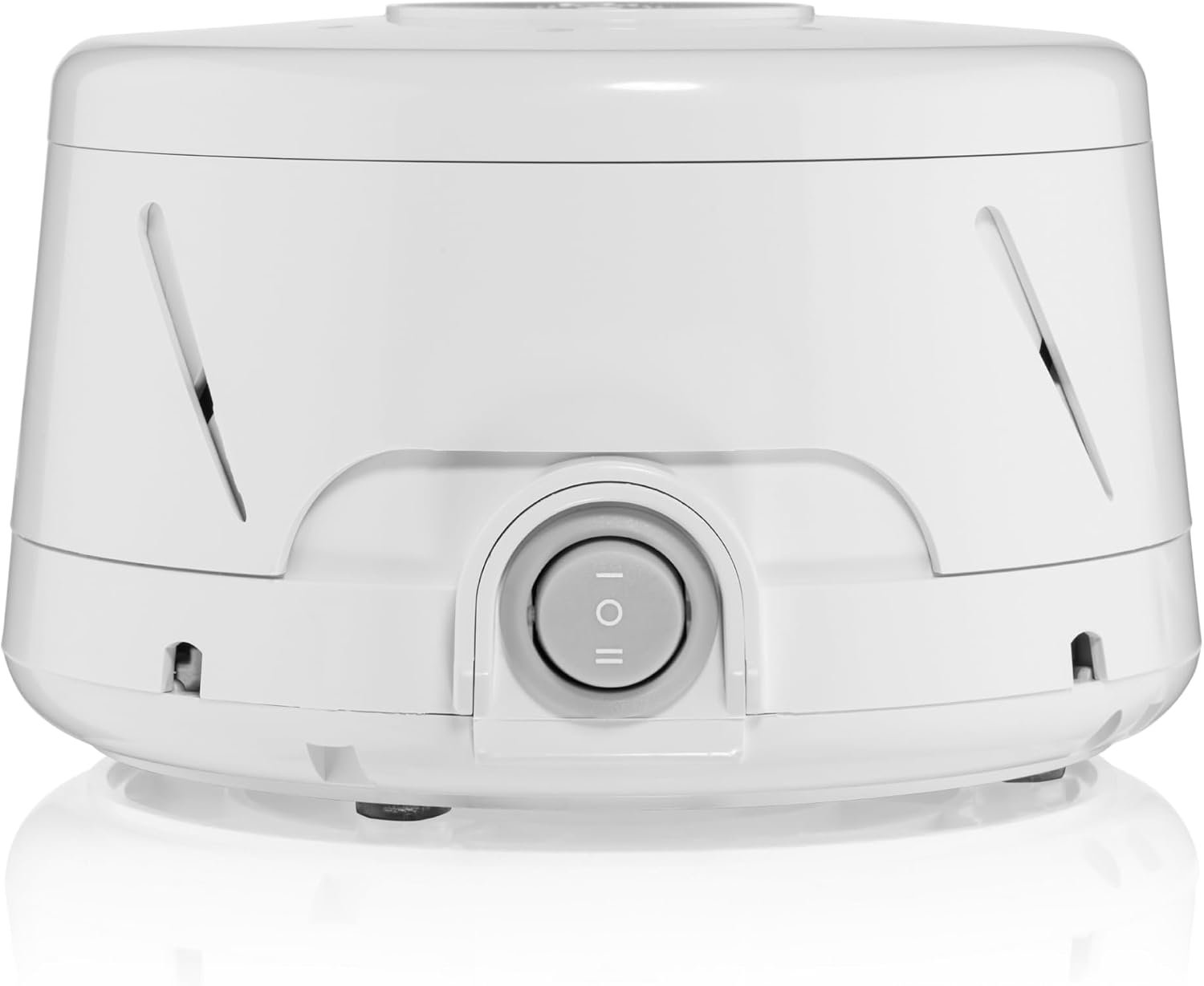
Yogasleep Dohm Classic White Noise Machine
View on Amazon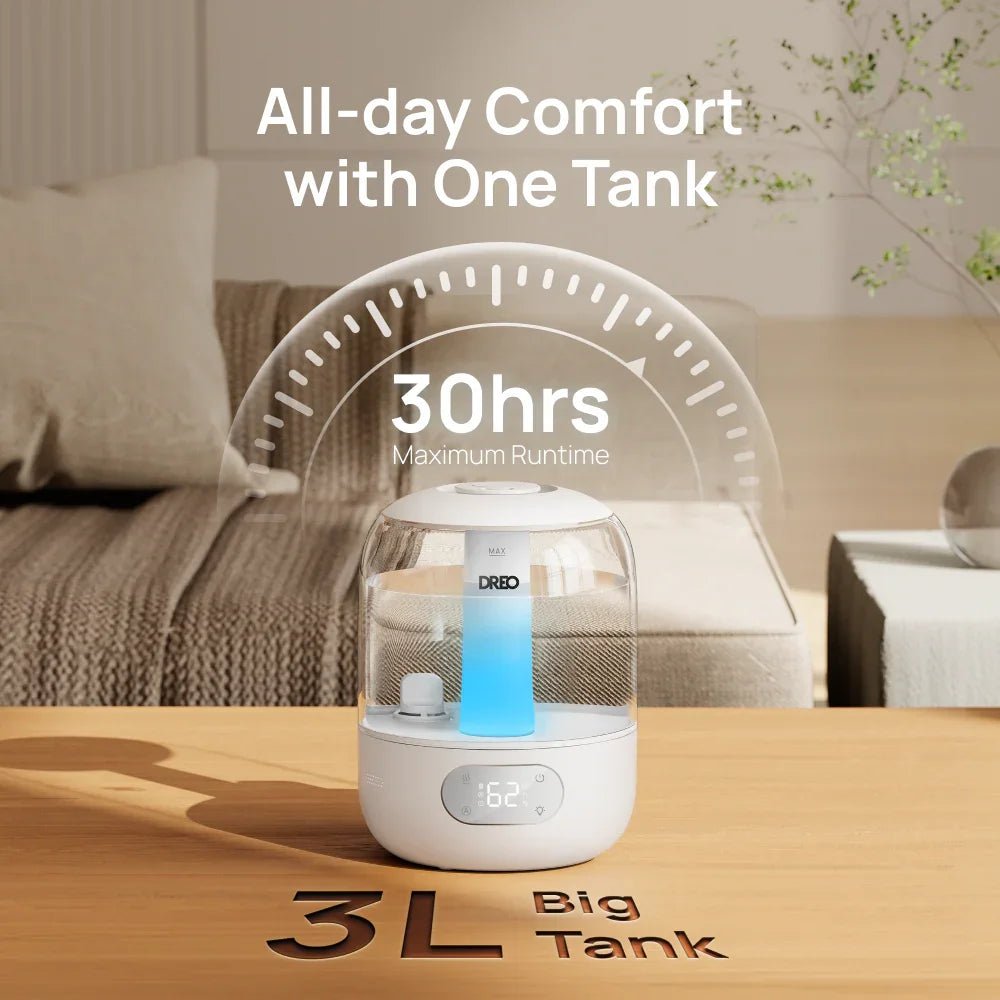
DREO HM306 3L Cool Mist Humidifier
View on AmazonWe may earn a commission from qualifying purchases at no extra cost to you. Prices and availability may change on Amazon.
Frequently Asked Questions
Sources & further reading
These authoritative resources informed the health guidance in this article.
About this guide
About the author
Alfredo Kofman is the independent publisher and editor of SleepSolutions.com. He organizes each guide around authoritative sources, clear safety boundaries, and transparent product disclosures. He is not a physician or sleep specialist, and this guide has not been presented as clinician-reviewed.
Disclaimer: This content is for informational purposes only and is not medical advice. Always consult a qualified healthcare professional for diagnosis and treatment.