Nutrition Guide
Sleep, Nutrition & Timing
Use practical food and drink timing to remove common obstacles to restful sleep.
Written by Alfredo Kofman, Publisher & EditorEditorial standards
Food is not a cure for a sleep disorder, but what and when you consume can either support or disrupt a good sleep opportunity. Focus first on the major factors—caffeine, alcohol, large late meals, and nighttime fluids—before experimenting with products marketed as sleep enhancers.
Plan Caffeine Around Your Sensitivity
Caffeine is a stimulant found in coffee, tea, energy drinks, cola, chocolate, and some medicines. Its effects can last for hours, and sensitivity varies widely. If sleep is difficult, move your last serving earlier, reduce the amount gradually, and remember that decaffeinated drinks can still contain a small amount.
Do Not Use Alcohol as a Sleep Aid
Alcohol may make you feel sleepy at first, but it can lead to lighter, more disrupted sleep later and may worsen snoring or breathing problems. Avoid treating it as a bedtime remedy. Anyone who drinks should follow their clinician's advice and applicable health guidance, especially when using medicines or managing a medical condition.
Time Evening Meals for Comfort
Large, heavy, fatty, or spicy meals close to bedtime can cause discomfort or reflux in some people. When possible, finish the main meal a few hours before bed. If hunger itself keeps you awake, a modest familiar snack may be more comfortable than either a large meal or going to bed very hungry.
Balance Hydration and Nighttime Trips
Drink regularly across the day instead of catching up with a large volume at bedtime. If bathroom trips repeatedly interrupt sleep, shifting more fluids earlier may help. Do not restrict fluids against medical advice, and discuss persistent thirst, frequent urination, or sudden changes with a healthcare professional.
Treat Sleep Foods and Supplements Carefully
No single food reliably fixes poor sleep. A balanced eating pattern is a better foundation than chasing one ingredient. Supplements such as melatonin or magnesium can have side effects, interact with medicines, and vary in quality, so speak with a qualified healthcare professional before using them—particularly during pregnancy or for a child.
Test One Change at a Time
Keep a brief two-week log of caffeine timing, alcohol, dinner timing, symptoms such as reflux, and sleep quality. Change one likely contributor first, such as moving caffeine earlier, so you can tell what helps. Seek care if sleep problems persist or occur with choking, gasping, severe sleepiness, or other concerning symptoms.
Recommended Products
Relevant picks from our current product catalog. Compare features and suitability before buying.
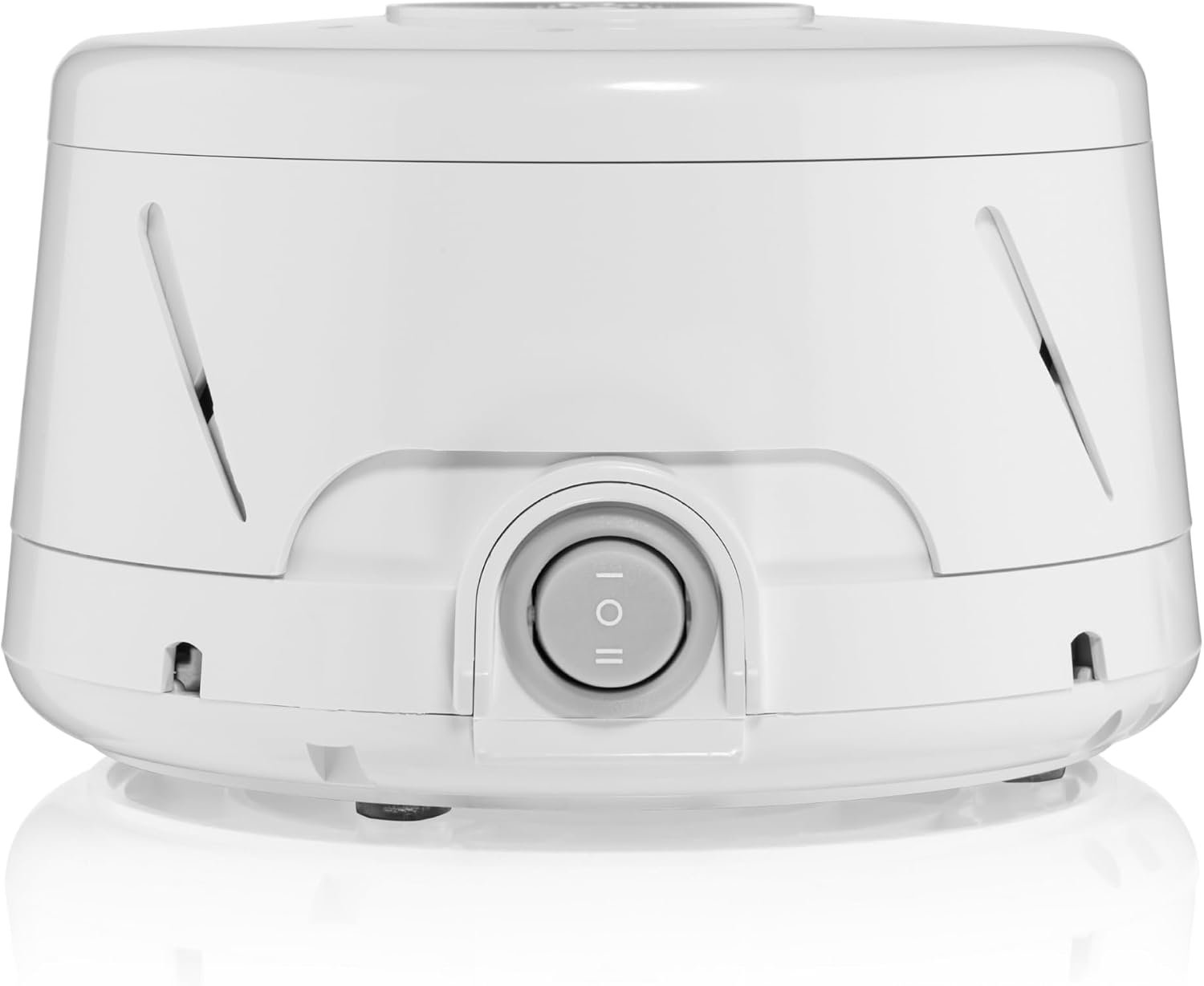
Yogasleep Dohm Classic White Noise Machine
View on Amazon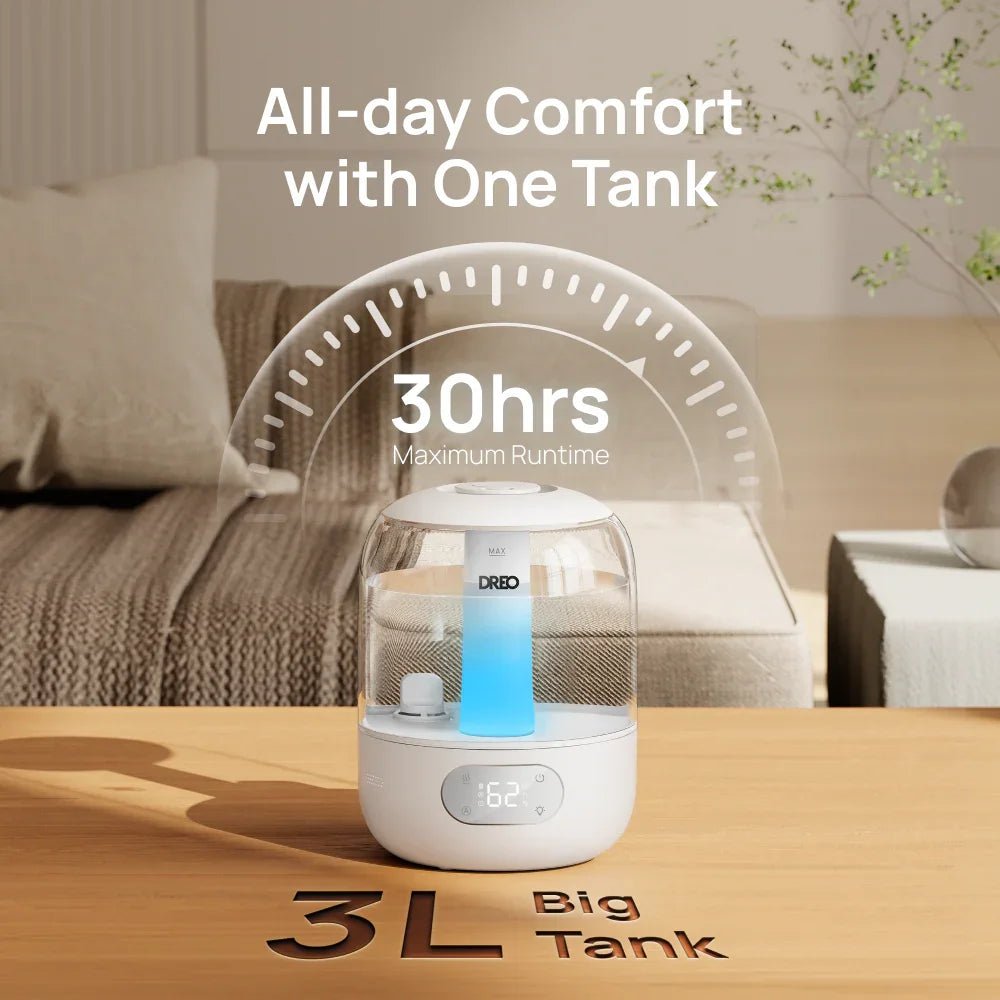
DREO HM306 3L Cool Mist Humidifier
View on AmazonWe may earn a commission from qualifying purchases at no extra cost to you. Prices and availability may change on Amazon.
Frequently Asked Questions
Sources & further reading
These authoritative resources informed the health guidance in this article.
About this guide
About the author
Alfredo Kofman is the independent publisher and editor of SleepSolutions.com. He organizes each guide around authoritative sources, clear safety boundaries, and transparent product disclosures. He is not a physician or sleep specialist, and this guide has not been presented as clinician-reviewed.
Disclaimer: This content is for informational purposes only and is not medical advice. Always consult a qualified healthcare professional for diagnosis and treatment.