Clinical Treatment Guide
Medical Treatments for Snoring
Treatment should match the cause—and possible sleep apnea must be identified before choosing a procedure or device.
Written by Alfredo Kofman, Publisher & EditorEditorial standards
Medical treatment for snoring is not a single procedure. A clinician first determines whether the problem is primary snoring or part of obstructive sleep apnea, then looks for the level and cause of airway narrowing. The right plan may involve a sleep clinician, primary-care professional, qualified dentist, or ear-nose-throat specialist.
Evaluation Comes Before Treatment
Expect questions about frequency, sleep position, alcohol and medicines, nasal symptoms, breathing pauses, gasping, morning headaches, and daytime sleepiness. A bed partner's observations can help. Examination may focus on the nose, tonsils, palate, tongue, jaw, and neck, and suspected sleep apnea may require a home or laboratory sleep study.
Treating Nasal Obstruction
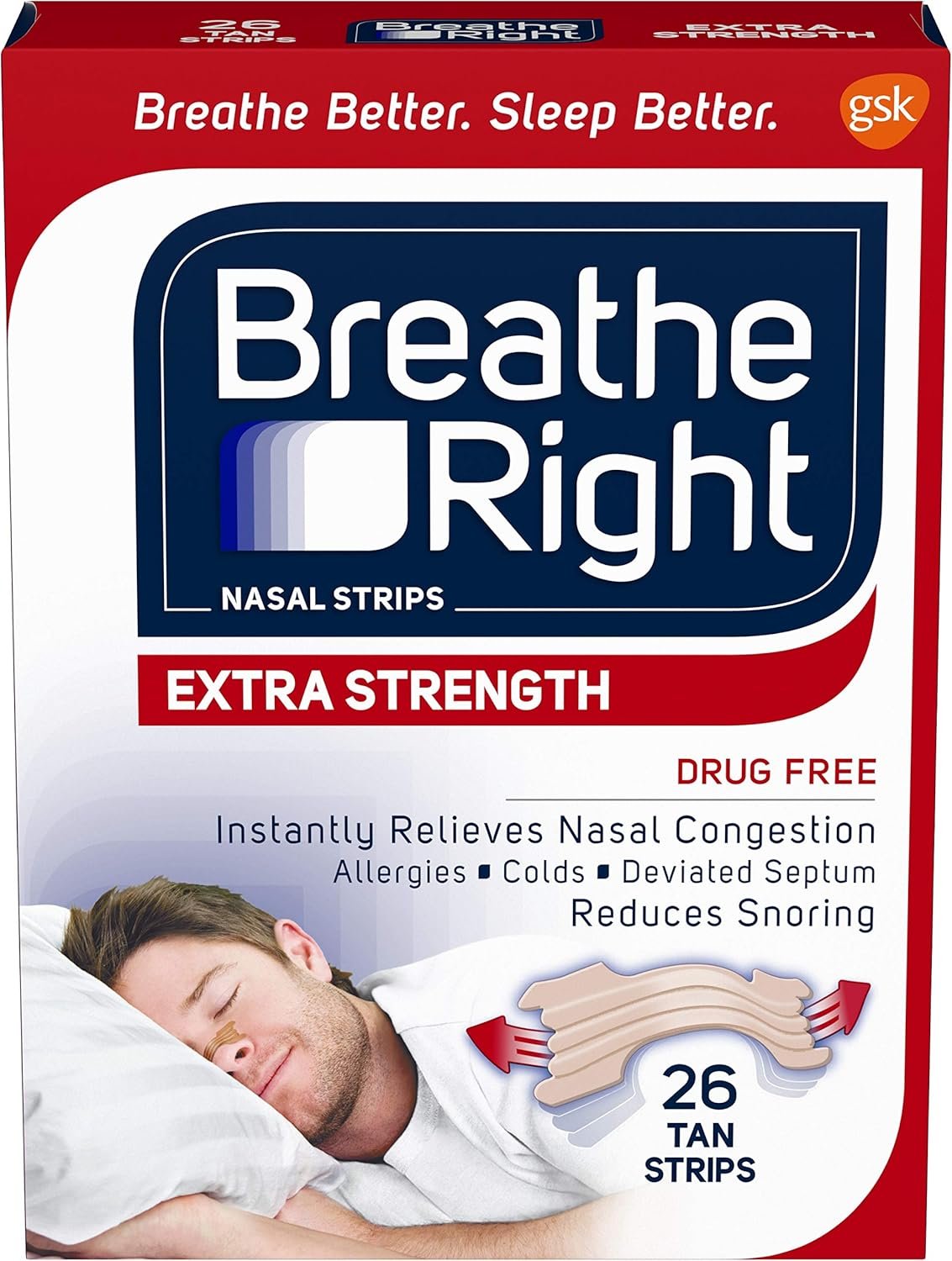
When allergies, inflammation, polyps, or structural narrowing contribute, treatment may include clinician-directed allergy care, appropriate nasal medicines, or an ear-nose-throat evaluation. Nasal strips or dilators may improve nasal airflow for some people, but they do not treat throat collapse or obstructive sleep apnea.
Custom Oral Appliance Therapy
Mandibular advancement appliances hold the lower jaw forward to help keep the airway open. AASM guidance supports oral appliance therapy for adults requesting treatment of primary snoring after sleep apnea has been excluded. Custom, adjustable devices should be fitted and monitored by qualified professionals because jaw discomfort, tooth movement, and bite changes can occur.
Positive Airway Pressure for Sleep Apnea
CPAP, APAP, or bilevel PAP uses pressurized air to keep the airway open and is prescribed for sleep apnea rather than ordinary primary snoring. It can reduce both breathing events and snoring when used correctly. Mask fit, dryness, congestion, and comfort problems should be addressed with the treating sleep team rather than abandoning therapy.
Procedures for Palate and Throat Tissue
Selected patients may be offered procedures that remove, reshape, stiffen, or reduce tissue in the palate or throat. Examples include radiofrequency approaches and uvulopalatopharyngoplasty. Outcomes depend on anatomy and diagnosis; possible risks include pain, bleeding, scarring, swallowing or voice changes, and recurrence of snoring.
Nasal, Tonsil, Jaw, and Nerve Procedures
Surgery may target a deviated septum, enlarged turbinates, polyps, tonsils, or jaw position when those findings are clinically important. Some adults with obstructive sleep apnea may qualify for hypoglossal nerve stimulation. These interventions have specific eligibility rules and should follow a specialist discussion of benefits, alternatives, recovery, and long-term follow-up.
How to Judge Success
A quieter bedroom is important, but symptom relief alone may not prove that sleep apnea is controlled. When apnea is diagnosed, clinicians may use PAP data or repeat sleep testing to confirm treatment effectiveness. Snoring can recur as anatomy, weight, nasal health, or other factors change, so follow-up matters.
Recommended Products
Relevant picks from our current product catalog. Compare features and suitability before buying.
We may earn a commission from qualifying purchases at no extra cost to you. Prices and availability may change on Amazon.
Frequently Asked Questions
Sources & further reading
These authoritative resources informed the health guidance in this article.
About this guide
About the author
Alfredo Kofman is the independent publisher and editor of SleepSolutions.com. He organizes each guide around authoritative sources, clear safety boundaries, and transparent product disclosures. He is not a physician or sleep specialist, and this guide has not been presented as clinician-reviewed.
Disclaimer: This content is for informational purposes only and is not medical advice. Always consult a qualified healthcare professional for diagnosis and treatment.