PAP Therapy Guide
CPAP Therapy for Sleep Apnea
How positive airway pressure holds the airway open - and how fit, comfort, consistency, and follow-up shape results.
Written by Alfredo Kofman, Publisher & EditorEditorial standards
Positive airway pressure is one of the most effective treatments for obstructive sleep apnea. A machine sends air through a mask, creating enough pressure to keep the upper airway from collapsing. Treatment settings should be prescribed from an established diagnosis and reviewed when symptoms, comfort, or device data suggest a problem.
CPAP, APAP, and Bilevel PAP
CPAP delivers one continuous pressure. APAP automatically changes pressure within a clinician-set range, while bilevel PAP provides different pressures during inhalation and exhalation. The best mode depends on the diagnosis, titration results, other medical conditions, comfort, and clinical response; bilevel is not automatically better for routine OSA.
Choosing and Fitting a Mask
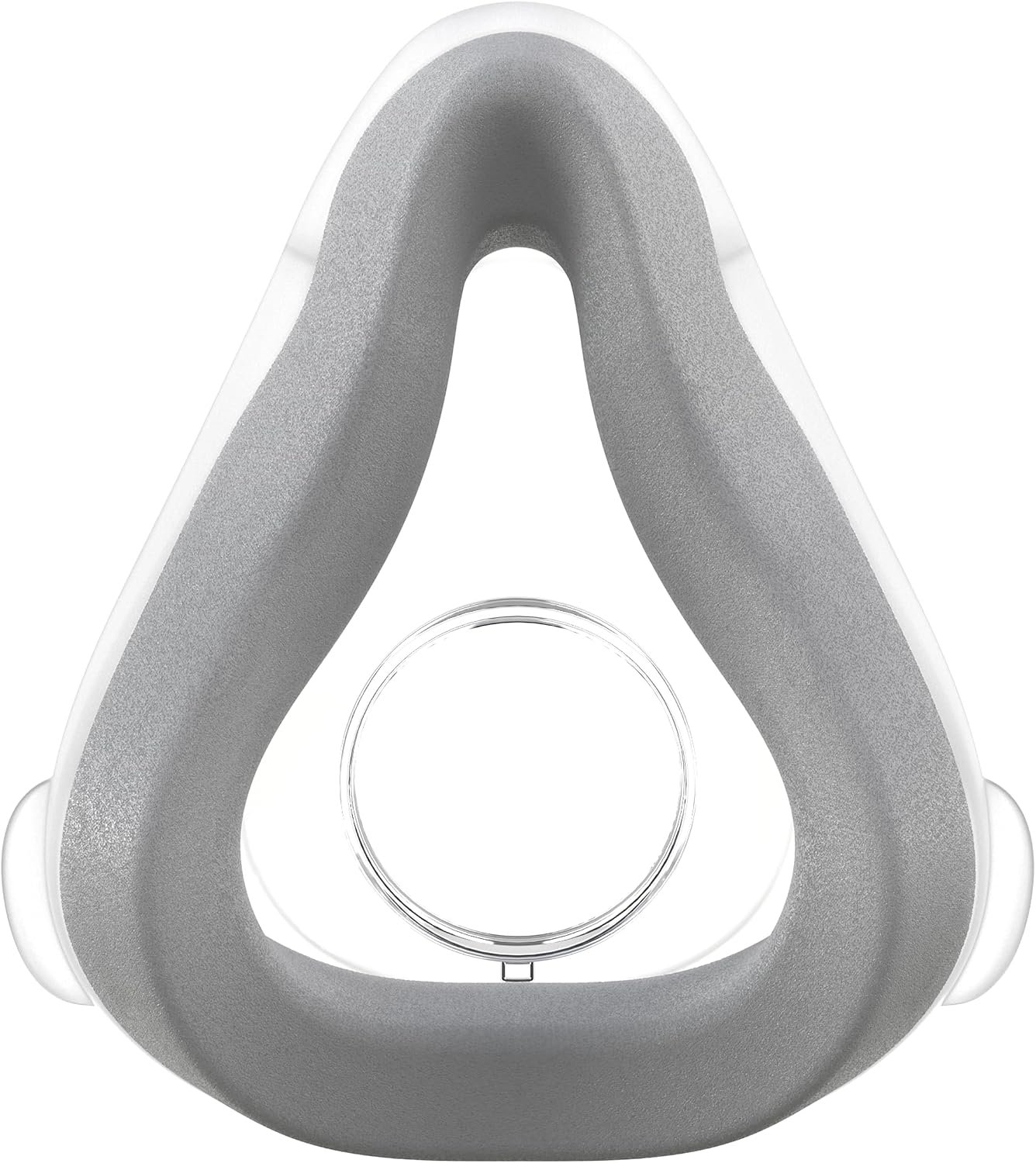
Nasal pillows have minimal facial contact, nasal masks cover the nose, and full-face masks cover the nose and mouth. Fit the mask while lying in your usual sleep position with airflow on. Tightening every strap can worsen pressure points and leaks, so ask the equipment provider to reassess size or style when adjustments do not solve the problem.
Dryness, Congestion, and Leaks
Heated humidification can reduce dryness for some users, and a heated hose may limit condensation. Persistent nasal symptoms may need medical evaluation rather than more humidity alone. Air blowing toward the eyes, dry mouth, noisy leaks, or a rising leak value can indicate fit, cushion, mouth-leak, or pressure issues.
Getting Used to Therapy
Use PAP for every sleep period, including naps, unless the prescriber says otherwise. Short practice sessions while awake can reduce claustrophobia. Early education, troubleshooting, and telemonitoring support can improve adherence, so contact the care team promptly instead of waiting for a minor problem to become a reason to stop.
Cleaning and Replacement
Follow the machine and mask manufacturers' instructions. Routine soap-and-water cleaning is generally preferred for washable components, and filters or cushions should be replaced according to condition and the prescribed supply schedule. Avoid unapproved ozone or ultraviolet cleaning devices that may damage equipment or expose users to risk.
Follow-Up and Safety
Clinicians may review nightly use, residual AHI, leak, pressure, symptoms, and oxygen data. Report persistent bloating, chest discomfort, severe dryness, pressure injury, or worsening breathing symptoms. Never change prescription settings or stop therapy because the screen looks normal without discussing it with the treating professional.
Recommended Products
Relevant picks from our current product catalog. Compare features and suitability before buying.
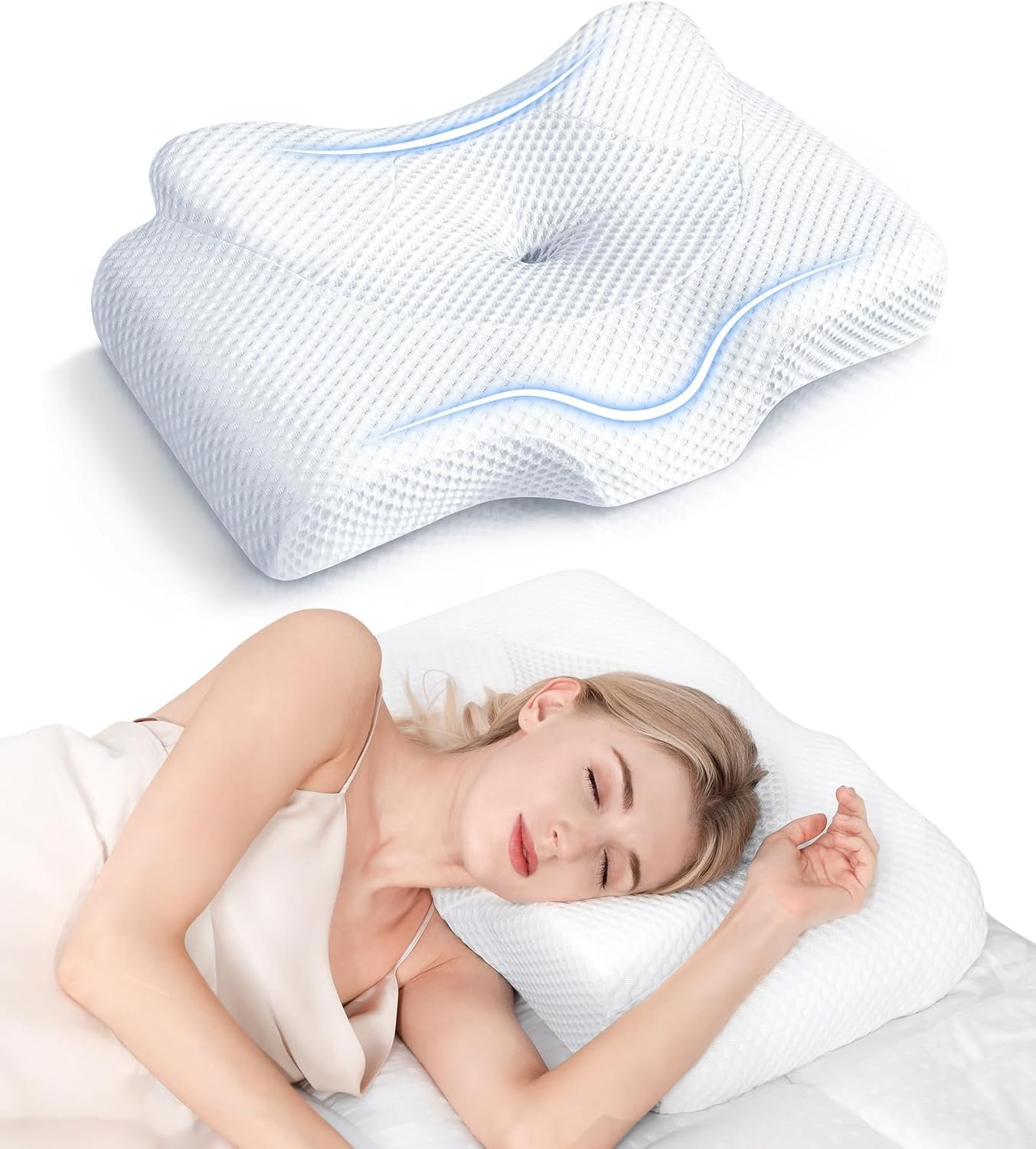
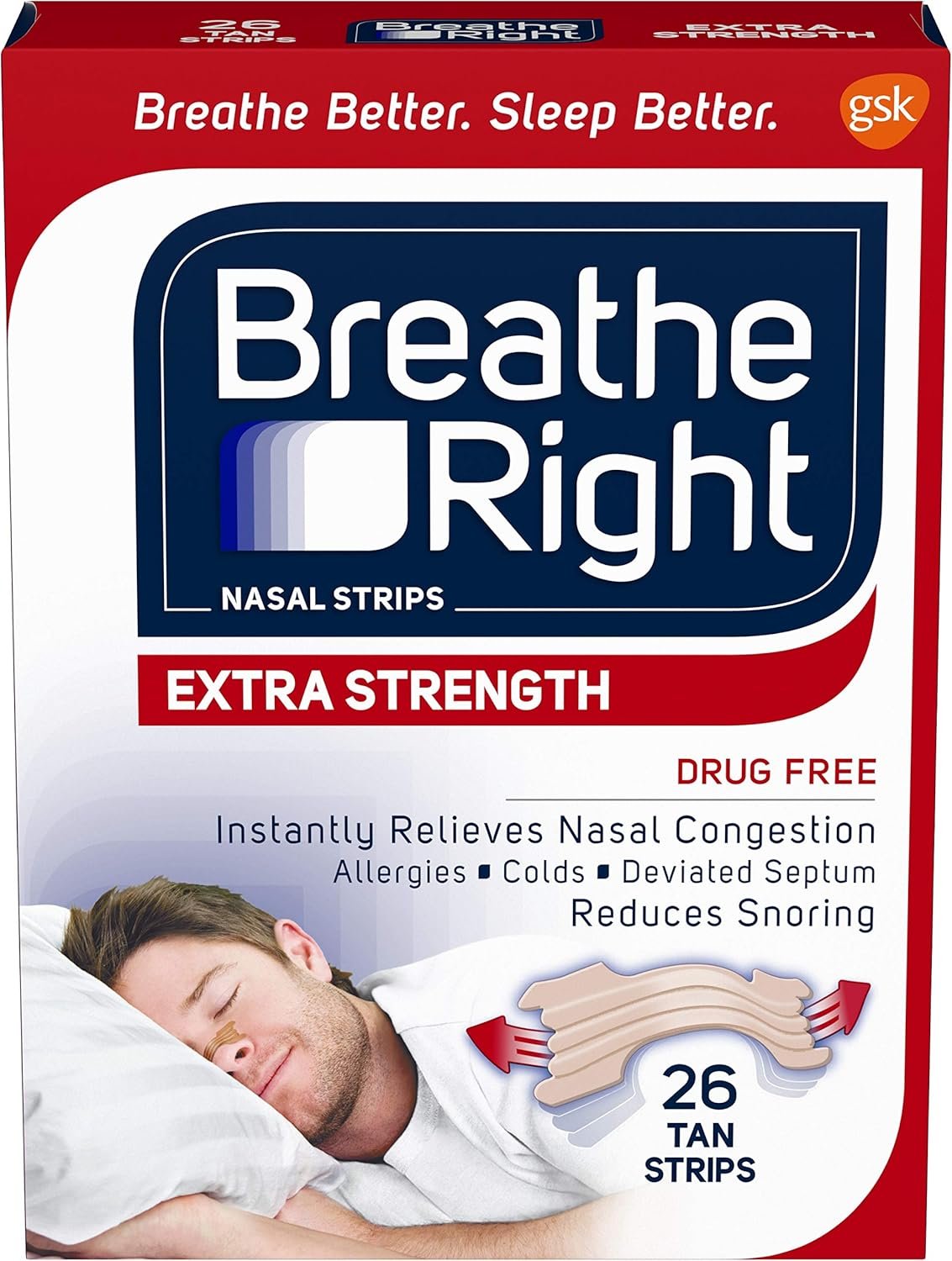
We may earn a commission from qualifying purchases at no extra cost to you. Prices and availability may change on Amazon.
Frequently Asked Questions
Sources & further reading
These authoritative resources informed the health guidance in this article.
About this guide
About the author
Alfredo Kofman is the independent publisher and editor of SleepSolutions.com. He organizes each guide around authoritative sources, clear safety boundaries, and transparent product disclosures. He is not a physician or sleep specialist, and this guide has not been presented as clinician-reviewed.
Disclaimer: This content is for informational purposes only and is not medical advice. Always consult a qualified healthcare professional for diagnosis and treatment.