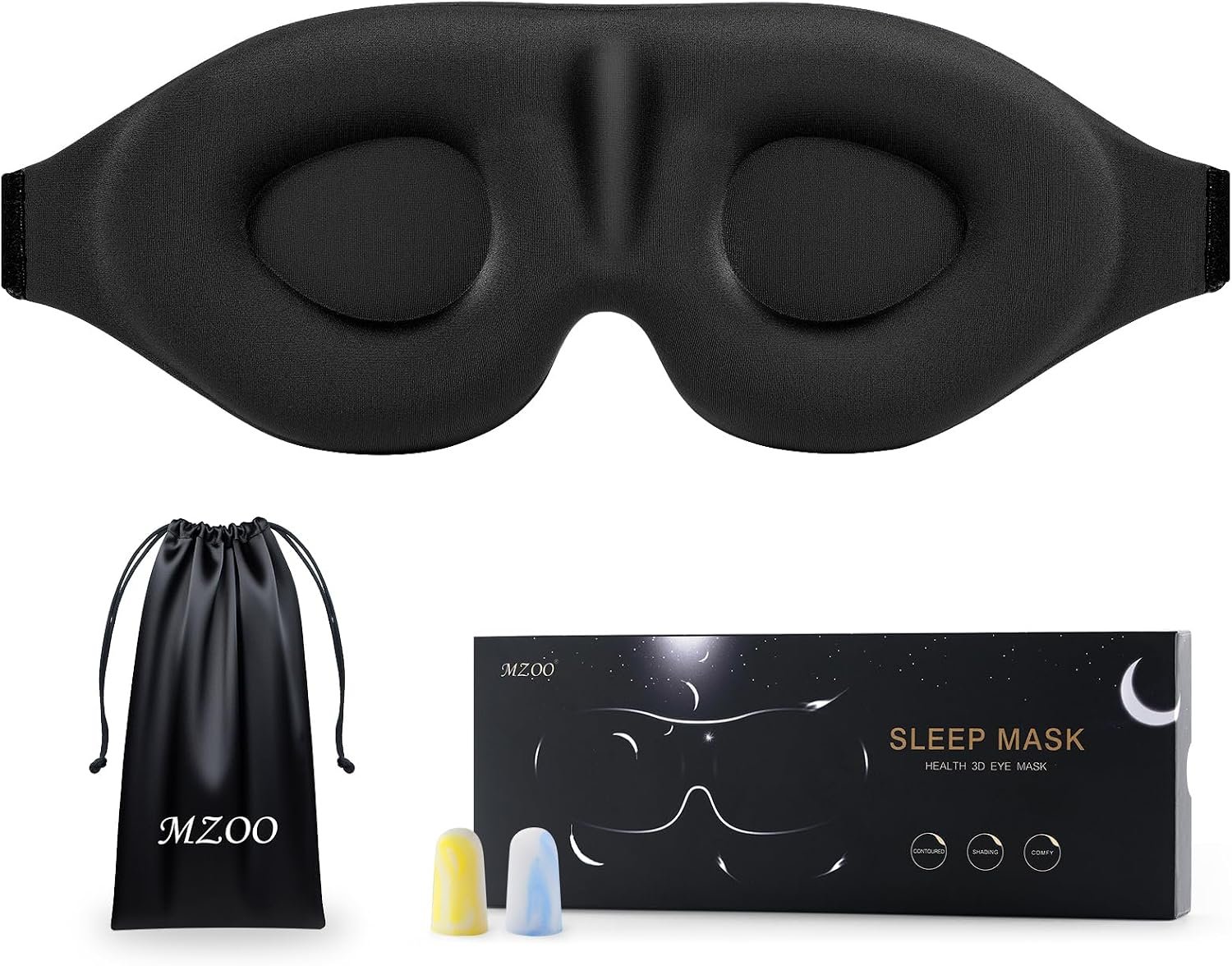
Daily Sleep Health Guide
Daytime Habits for Better Sleep
Nighttime sleep is shaped by the light, movement, timing, and recovery built into the rest of your day.
Written by Alfredo Kofman, Publisher & EditorEditorial standards
Healthy sleep starts before the evening. Daytime light helps time the body clock, activity supports sleep and overall health, and naps and stress can change sleep pressure. The goal is a repeatable day that supports alertness when awake and sleepiness at night.
Seek Light Early in Your Day
Light is the strongest environmental timing signal for the sleep-wake cycle. Spend time outdoors after waking when practical, even on cloudy days, and keep evening light lower. Shift workers or people with circadian disorders should seek individualized advice because helpful timing depends on the intended sleep period.
Move Regularly
Regular physical activity can improve health and sleep. Choose walking, strength work, cycling, swimming, or another sustainable option. Some people find vigorous late exercise activating, but federal evidence indicates that activity can still benefit sleep even when performed within three hours of bedtime; use your own response as a guide.
Keep Naps Brief and Early When Needed
A short nap can restore alertness, especially after restricted sleep, but a late or long nap may make nighttime sleep harder for some people. NHLBI suggests that adults who struggle to fall asleep limit naps or take them earlier, generally keeping them to about 20 minutes.
Give Stress a Daytime Outlet
Build small recovery periods into the day through movement, breathing, time outdoors, conversation, or structured problem-solving. If worry consistently peaks at bedtime, schedule a brief earlier period to write concerns and next steps rather than postponing all mental processing until lights-out.
Use Meals and Activity as Time Cues
Regular meal and activity timing can reinforce the shape of the day, especially when work hours vary. Avoid relying on late caffeine to compensate for an unsustainable sleep schedule. Shift workers may need carefully timed light, naps, meals, and caffeine.
Protect Sleep Opportunity
Daytime habits cannot overcome repeatedly giving yourself too little time to sleep. Plan backward from the required wake time, reduce optional late-night demands, and address obligations that repeatedly compress sleep where possible.
Track Function, Not Just Hours
For two weeks, note light exposure, exercise, naps, stress, sleep timing, and daytime alertness. Look for repeatable associations. Get medical help for persistent insomnia, unintended sleep episodes, breathing pauses, or sleepiness that makes driving or work unsafe.
Recommended Products
Relevant picks from our current product catalog. Compare features and suitability before buying.
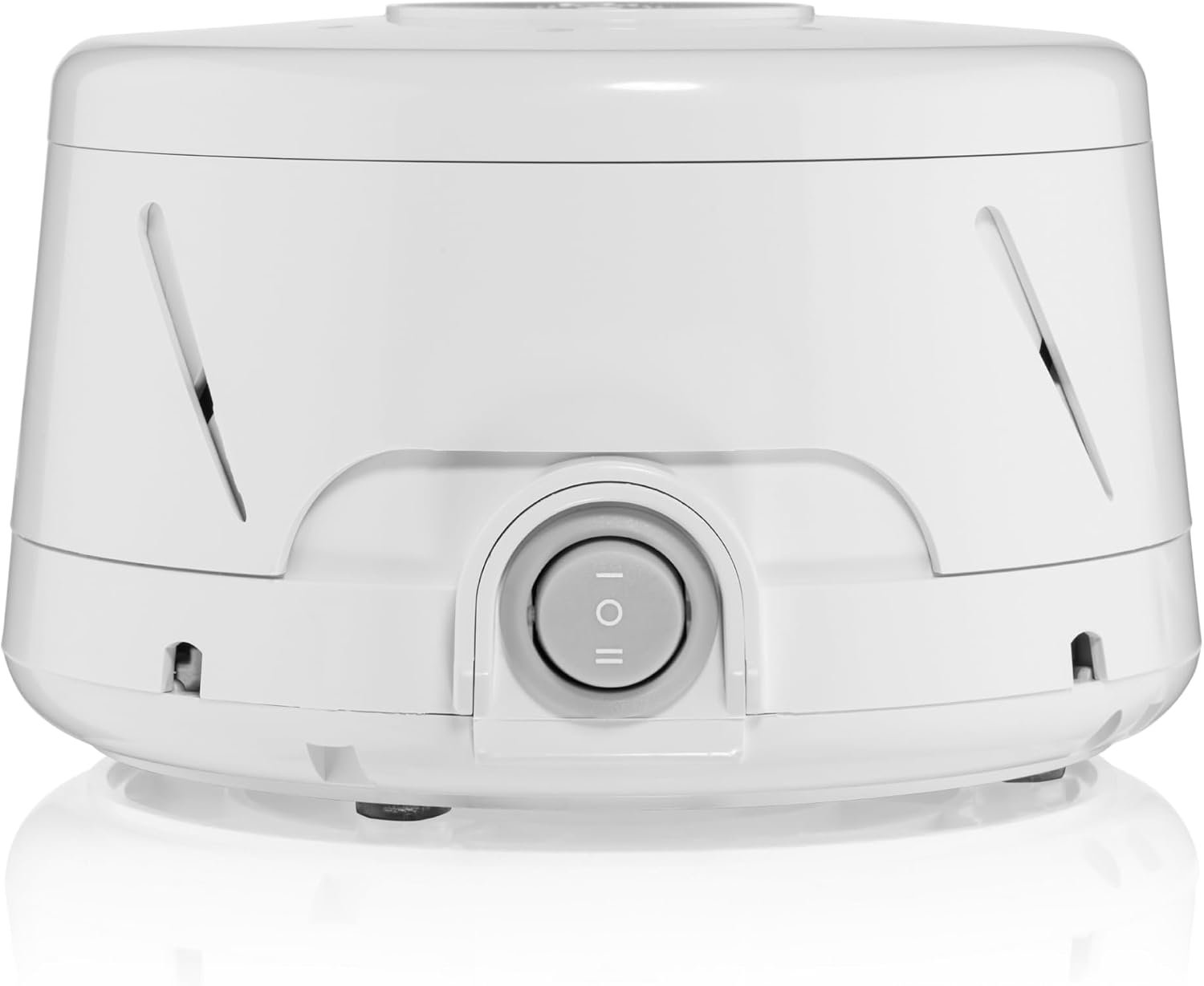
Yogasleep Dohm Classic White Noise Machine
View on Amazon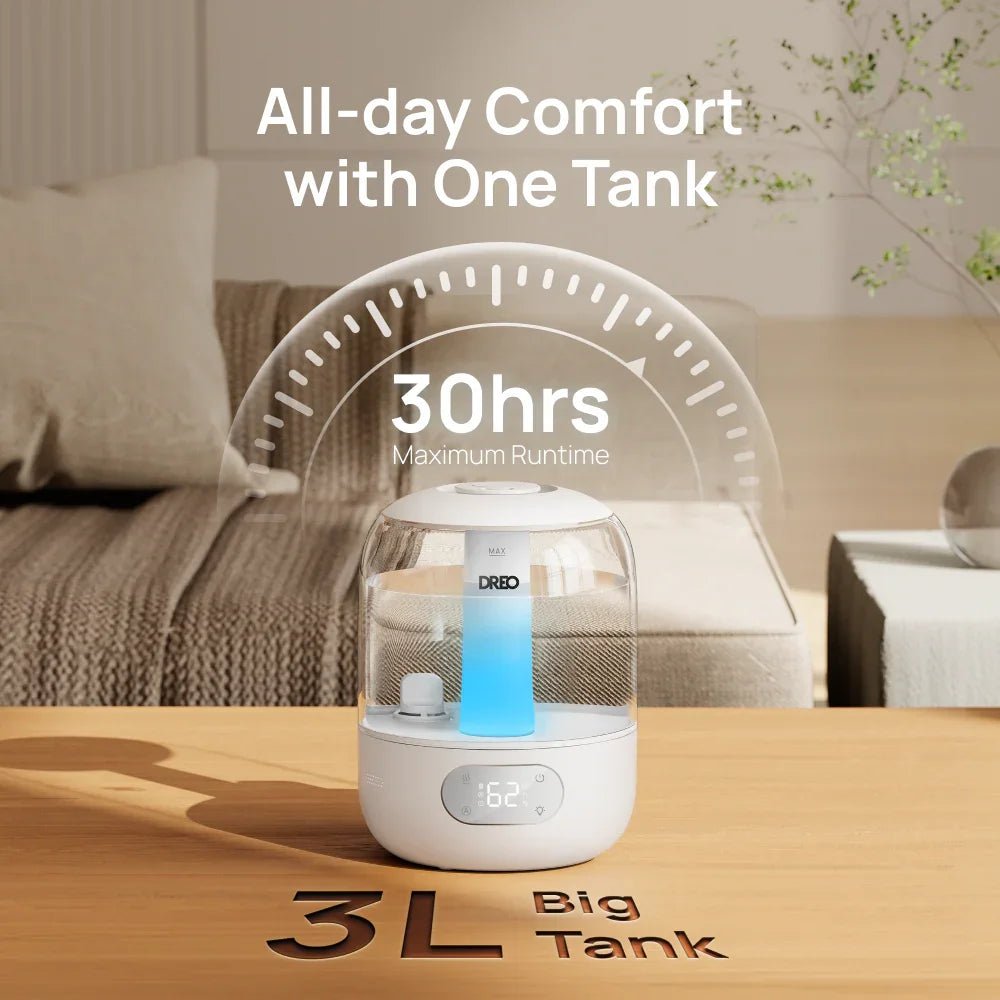
DREO HM306 3L Cool Mist Humidifier
View on AmazonWe may earn a commission from qualifying purchases at no extra cost to you. Prices and availability may change on Amazon.
Frequently Asked Questions
Sources & further reading
These authoritative resources informed the health guidance in this article.
About this guide
About the author
Alfredo Kofman is the independent publisher and editor of SleepSolutions.com. He organizes each guide around authoritative sources, clear safety boundaries, and transparent product disclosures. He is not a physician or sleep specialist, and this guide has not been presented as clinician-reviewed.
Disclaimer: This content is for informational purposes only and is not medical advice. Always consult a qualified healthcare professional for diagnosis and treatment.