Lifestyle Guide
Lifestyle Changes for Snoring
Test the habits most likely to affect your airway while watching for signs that need medical care.
Lifestyle changes may reduce snoring when sleep position, alcohol, smoking, nasal symptoms, sleep loss, or body weight contributes. They do not reliably exclude or treat obstructive sleep apnea. Use a structured trial, ask a partner what they observe, and seek care when snoring is loud, frequent, or accompanied by concerning symptoms.
Try Side Sleeping
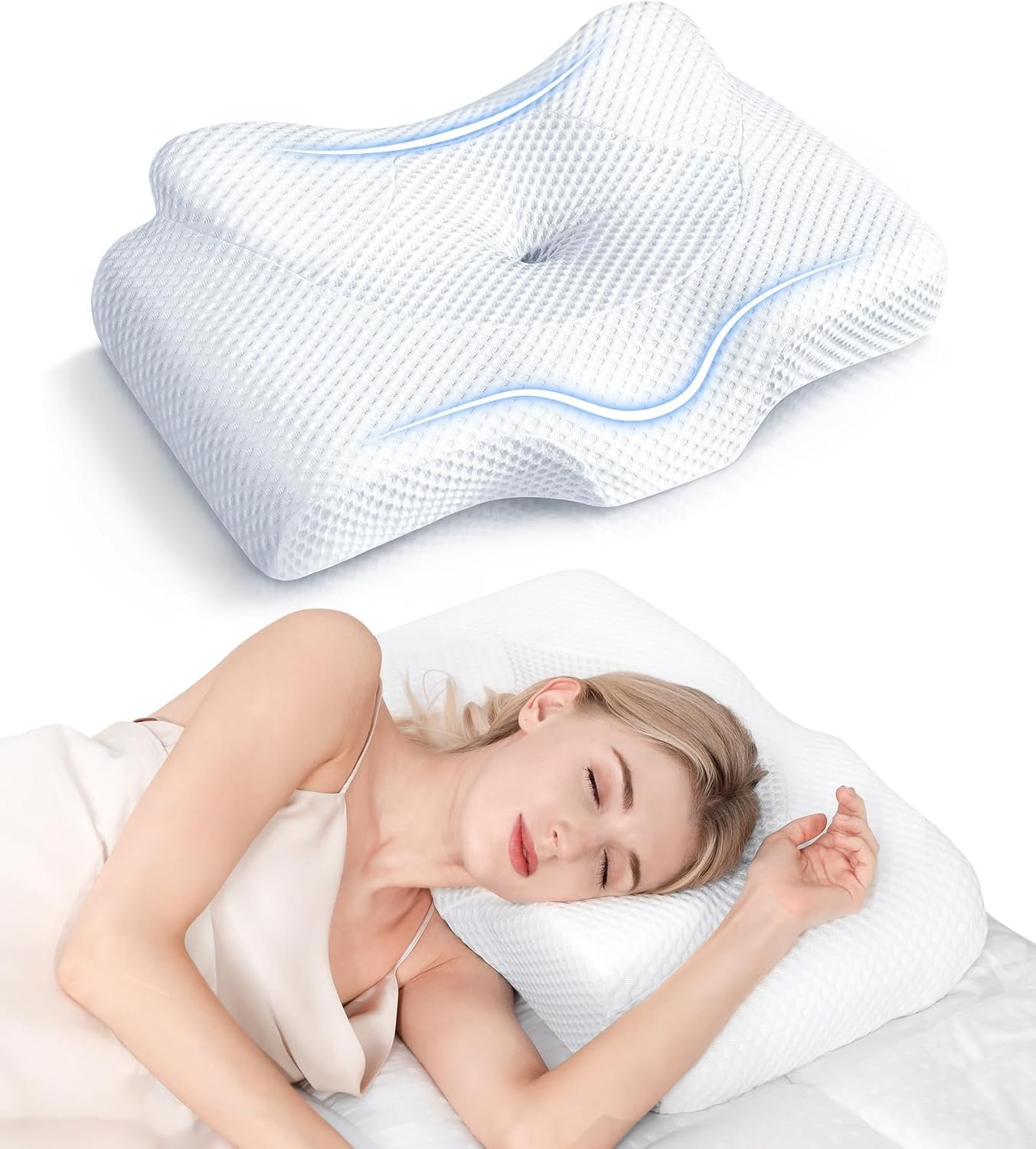
Back sleeping can worsen snoring for some people because the tongue and soft tissues settle backward. A body pillow or comfortable positional aid may help you remain on your side. Stop any method that causes pain or prevents safe movement, and remember that positional improvement does not rule out sleep apnea.
Review Alcohol and Sedating Medicines
Alcohol near bedtime can relax upper-airway muscles and worsen snoring. Some sleeping pills, antihistamines, pain medicines, and other sedating drugs may also affect breathing. Do not change a prescribed medicine on your own; ask the prescriber about timing, alternatives, and sleep-related side effects.
Address Smoking and Nasal Irritation
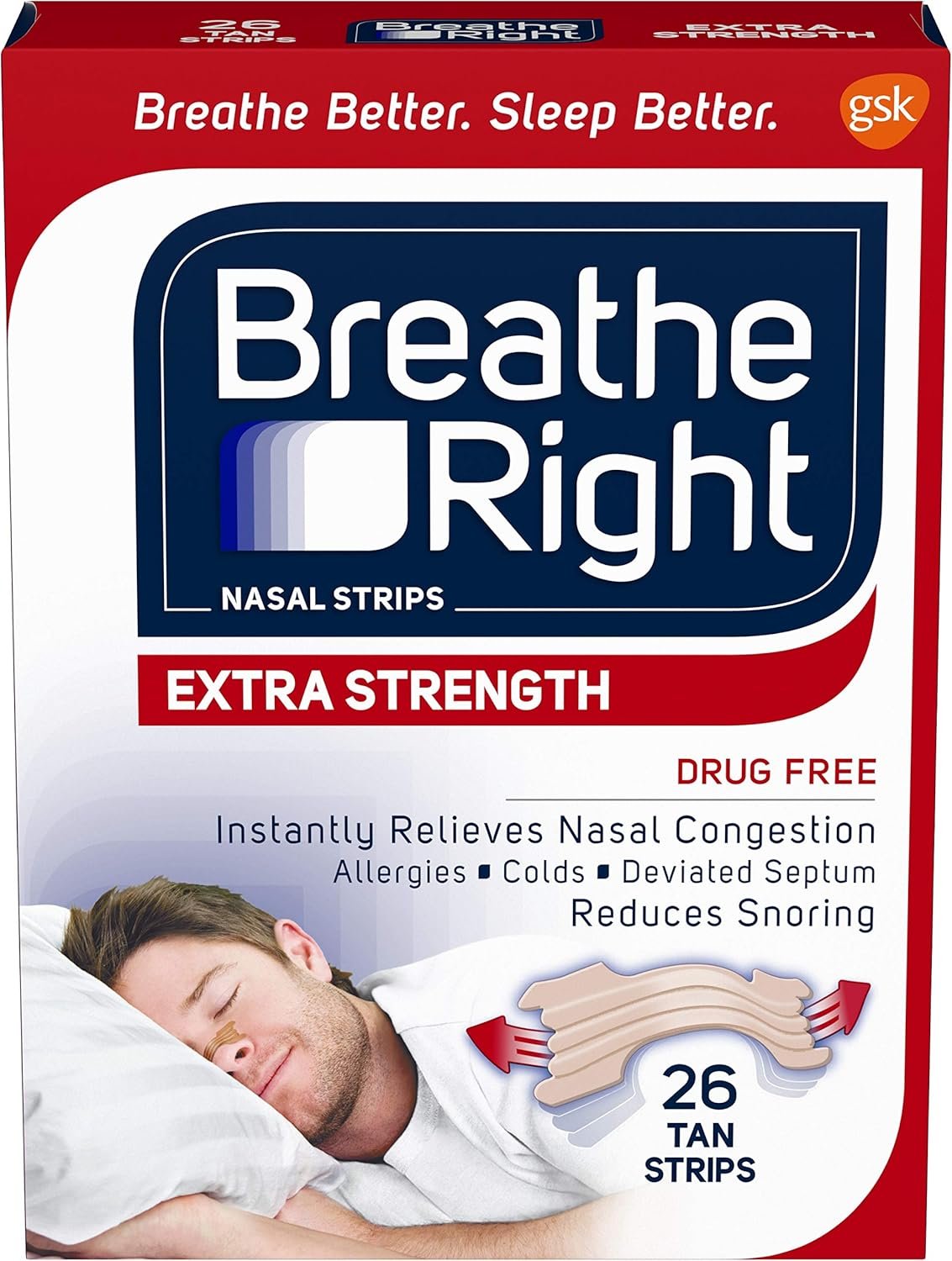
Smoking can irritate airway tissues, and stopping supports overall respiratory and cardiovascular health. If a cold or allergy blocks the nose, appropriate treatment may reduce a nasal contributor. Persistent congestion, polyps, or suspected structural blockage should be assessed rather than repeatedly self-treating.
Approach Weight Without Guarantees
When excess tissue around the neck or airway contributes, medically appropriate weight reduction may reduce snoring and sleep-apnea severity. People at any body size can still snore or have apnea, so weight change is not a guaranteed cure and should not be the only plan when warning signs are present.
Protect Regular, Sufficient Sleep
Severe sleep loss may increase muscle relaxation and make snoring more noticeable. Keep a reasonably consistent sleep schedule and allow adequate time for sleep. A regular routine supports health, although sleep hygiene alone cannot correct a structurally narrow airway.
Consider Guided Mouth and Throat Exercises
Orofacial or myofunctional therapy trains the tongue and muscles of the mouth and face. It may help selected people, but technique, adherence, diagnosis, and evidence matter. Seek guidance from an appropriately trained clinician instead of relying on exaggerated product claims.
Track Results and Know When to Escalate
For two to four weeks, record sleep position, alcohol, nasal symptoms, and partner observations, changing one major factor at a time. Seek evaluation for breathing pauses, gasping, choking, morning headaches, unrefreshing sleep, or significant daytime sleepiness. Do not drive when sleepy.
Recommended Products
Relevant picks from our current product catalog. Compare features and suitability before buying.
We may earn a commission from qualifying purchases at no extra cost to you. Prices and availability may change on Amazon.
Frequently Asked Questions
Sources & further reading
These authoritative resources informed the health guidance in this article.
Related Guides
About this guide
About the author
Alfredo Kofman is the independent publisher and editor of SleepSolutions.com. He organizes each guide around authoritative sources, clear safety boundaries, and transparent product disclosures. He is not a physician or sleep specialist, and this guide has not been presented as clinician-reviewed.
Disclaimer: This content is for informational purposes only and is not medical advice. Always consult a qualified healthcare professional for diagnosis and treatment.