Symptom Guide
Common Sleep Apnea Symptoms
The warning signs can appear during sleep, after waking, and throughout the day - and another person may notice them first.
Written by Alfredo Kofman, Publisher & EditorEditorial standards
Sleep apnea symptoms vary and can overlap with insomnia, insufficient sleep, medication effects, and other health conditions. No symptom list can confirm the diagnosis. The most useful next step is to discuss concerning patterns with a healthcare professional who can decide whether sleep testing is appropriate.
Breathing Pauses, Gasping, and Choking
A bed partner may notice breathing repeatedly stop, followed by a snort, gasp, or abrupt breath. These episodes are among the clearest reasons to seek evaluation, particularly when they happen often. The sleeper may be unaware of them or may remember only brief awakenings with a racing heart or sense of breathlessness.
Loud or Frequent Snoring
Habitual snoring is common in OSA because narrowed airway tissue vibrates as air moves through it. Snoring volume alone does not establish severity, and quiet sleepers can still have apnea. Concern rises when snoring is paired with witnessed pauses, gasping, high blood pressure, or excessive sleepiness.
Daytime Sleepiness and Impaired Attention
Repeated arousals can leave sleep unrefreshing and cause fatigue, unintended dozing, slower reactions, irritability, memory difficulty, or poor concentration. Sleepiness while driving is an urgent safety issue. Stop driving and arrange safer transportation if you are struggling to remain alert.
Morning and Nighttime Clues
Morning headache, dry mouth, sore throat, frequent nighttime urination, insomnia-like awakenings, and reduced libido can occur. These signs are not specific to sleep apnea, but a cluster of symptoms can help a clinician see the larger pattern.
Symptoms Can Look Different
Some women report fatigue, headache, mood changes, or insomnia more prominently than classic sleepiness. Children may show hyperactivity, attention problems, bedwetting, mouth breathing, or worsening school performance. Children require pediatric assessment rather than adult screening rules.
When to Ask for Testing
Arrange medical evaluation for witnessed pauses, gasping, persistent loud snoring, unexplained sleepiness, resistant high blood pressure, or multiple risk factors. Seek urgent care for severe breathing difficulty, chest pain, fainting, or other acute symptoms rather than assuming sleep apnea is the cause.
Recommended Products
Relevant picks from our current product catalog. Compare features and suitability before buying.
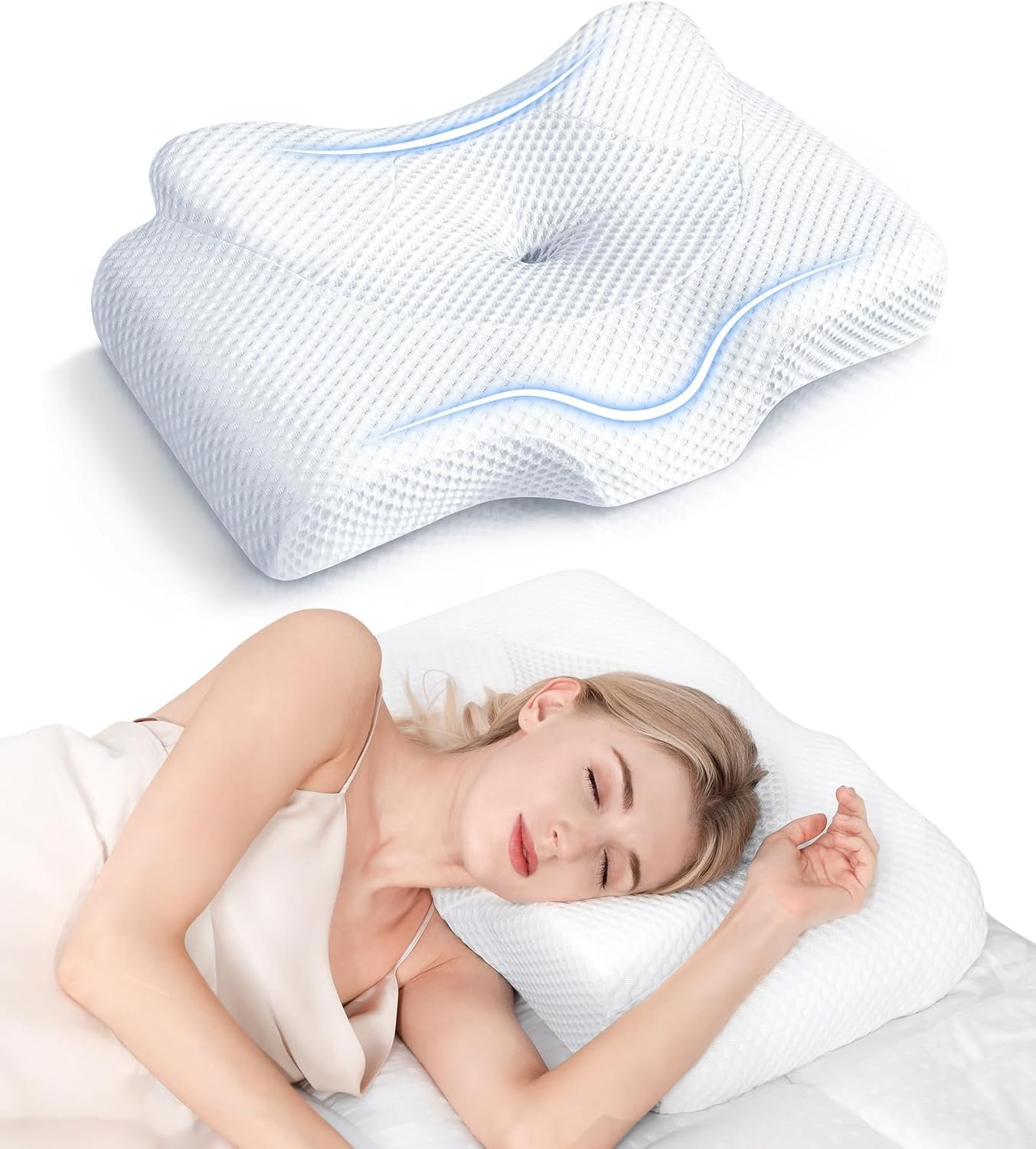
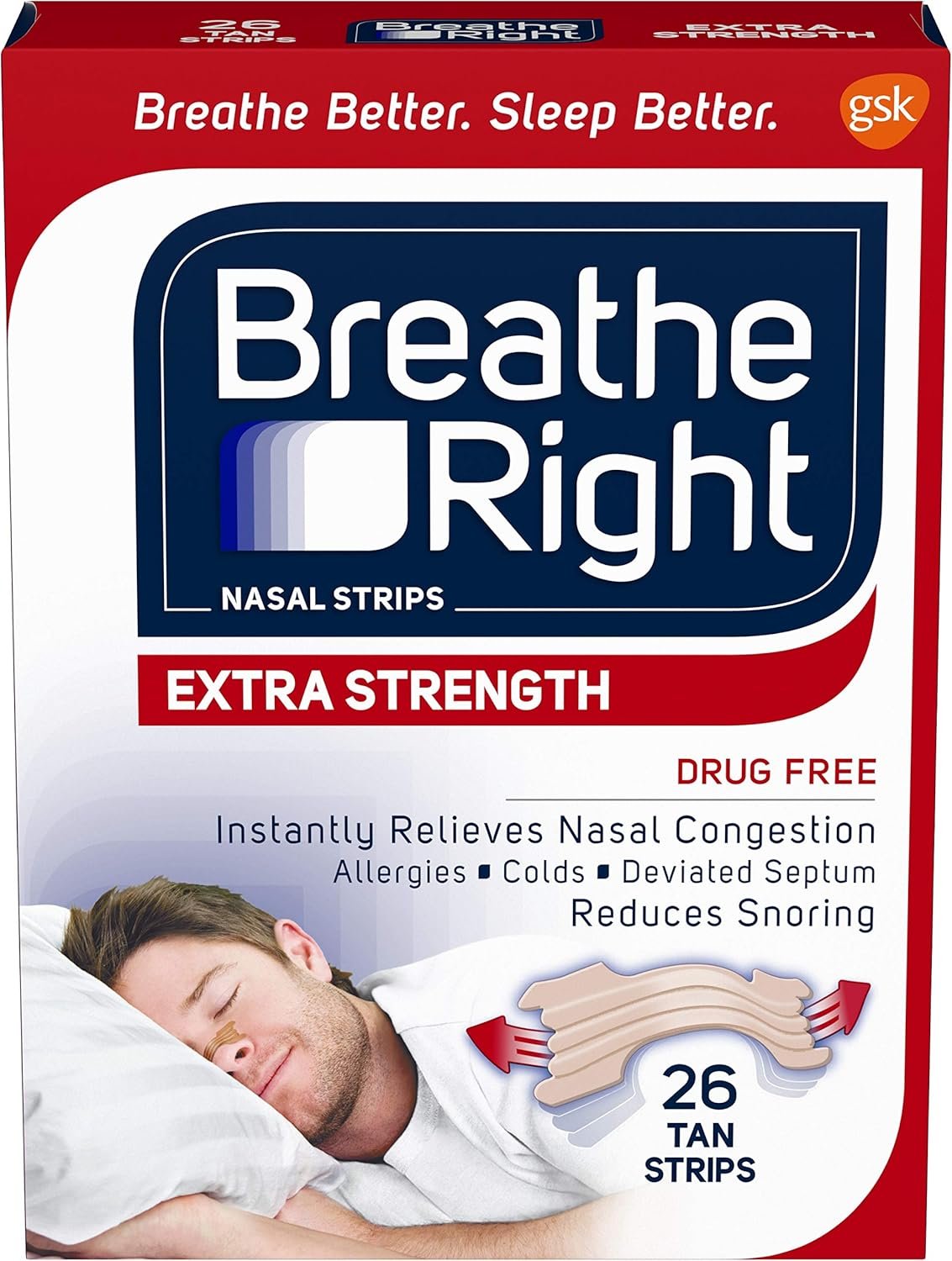
We may earn a commission from qualifying purchases at no extra cost to you. Prices and availability may change on Amazon.
Frequently Asked Questions
Sources & further reading
These authoritative resources informed the health guidance in this article.
Related Guides
About this guide
About the author
Alfredo Kofman is the independent publisher and editor of SleepSolutions.com. He organizes each guide around authoritative sources, clear safety boundaries, and transparent product disclosures. He is not a physician or sleep specialist, and this guide has not been presented as clinician-reviewed.
Disclaimer: This content is for informational purposes only and is not medical advice. Always consult a qualified healthcare professional for diagnosis and treatment.