Sound Machine Comparison
Sound Machine vs. Sleep App: Which Is Better?
Compare dedicated devices and smartphone apps by convenience, reliability, sound, and privacy.
Written by Alfredo Kofman, Publisher & EditorEditorial standards
A dedicated sound machine and a smartphone sleep app can both play steady background audio, but they fit into bedtime differently. A machine offers a separate device with physical controls; an app makes it easy to try sounds on a phone you already own. Neither is automatically better for sleep. The right choice depends on what you want to hear, how you use your phone at night, and how much you value simplicity, reliability, and privacy.
How a Dedicated Sound Machine Works
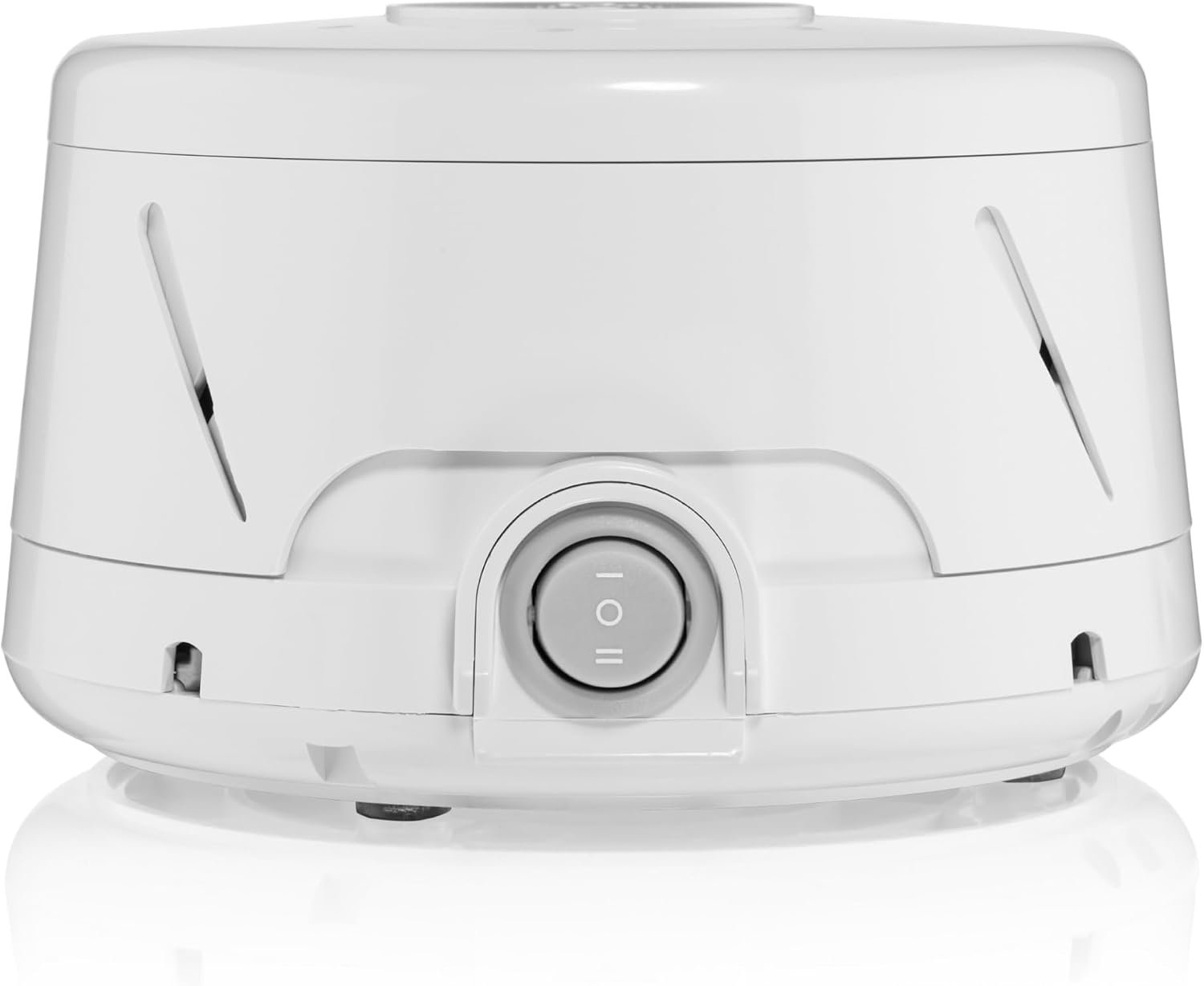
A dedicated machine is designed to play sound independently of your phone. Depending on the model, it may use a real fan, stored recordings, or electronically generated noise. Physical controls, a dedicated speaker, and timer or continuous-play options can make it easy to use without unlocking a screen. Sound libraries and advanced features vary widely, so compare the actual sound and controls rather than relying on a feature count.
How a Sleep App Works
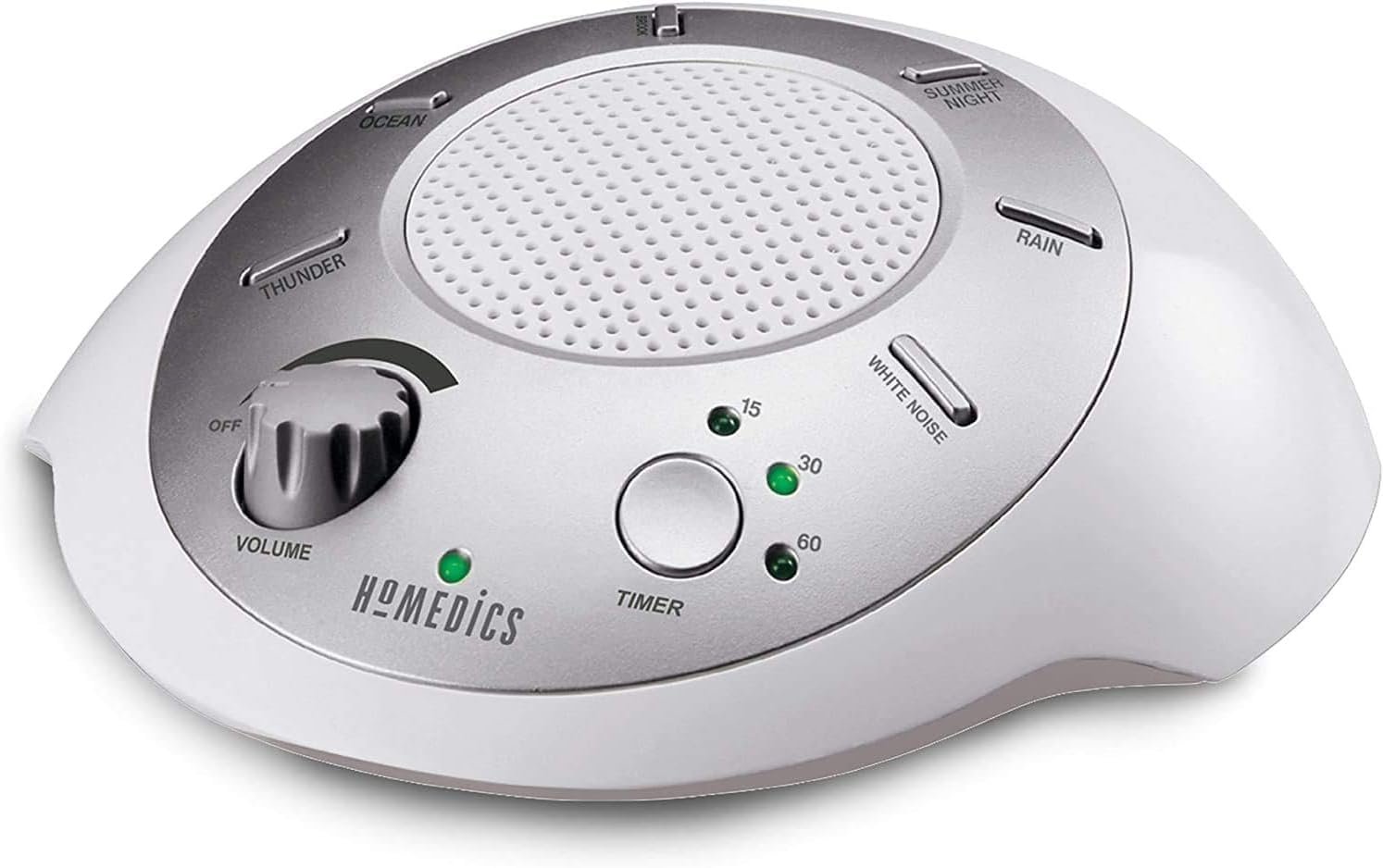
A sleep app plays recorded or generated sounds through a smartphone speaker or a connected audio device. Apps can offer a large library, favorites, timers, and sometimes offline playback. They can be a convenient way to explore white, pink, brown, fan, or nature sounds without buying hardware. Availability of sounds, offline access, subscriptions, and app behavior can change with updates, so check what works without an account or paid plan.
Convenience: One More Device or One You Already Own?
An app is immediately available if you have a compatible phone and do not mind keeping it near the bed. A dedicated machine takes space and requires a separate purchase, but it can be ready with one button and may keep your phone elsewhere. Consider whether you need bedside charging, whether the phone is also your alarm, and whether notifications or screen use make it harder to wind down. For shared bedrooms, check whether a partner can operate the device or app easily.
Sound Quality and Playback
The speaker, recording, and room all affect how a sound is perceived. A phone speaker may be adequate for some listeners but can sound thin or distort at higher volumes. A dedicated unit may provide a speaker or mechanical fan intended for continuous playback, but quality varies by model. Apps and digital machines may both use looping recordings; listen long enough to notice repeats, clicks, gaps, or abrupt changes. Compare options at a comfortable low volume from where you sleep.
Reliability Overnight
A dedicated machine avoids phone calls, low-battery warnings, notifications, and operating-system interruptions, though it still depends on power, hardware, and product reliability. An app may stop if the phone battery runs down, an update changes playback, another alert takes over audio, or the operating system closes the app. If you choose an app, test its overnight behavior, use a dependable power setup, and check whether it plays continuously with the screen locked. If you choose a machine, check its power-recovery behavior and whether it resumes at a known volume.
Privacy and Phone Use
A basic offline machine may collect little or no personal data, while app privacy depends on the developer, permissions, analytics, account requirements, and connected services. Read the privacy policy and app-store disclosures before sharing health or sleep information. Some apps request microphone access for snore or sleep tracking; sound playback alone does not require assuming that microphone access is necessary. You can also reduce bedtime screen interaction by setting the sound in advance, enabling Do Not Disturb, or choosing a separate device.
Cost and Ongoing Access
An app may be free to try, but some sounds or features require a subscription, account, or internet access. A dedicated machine has an upfront cost and may offer a more predictable set of controls without a recurring fee. Consider total cost over time, including replacement hardware or subscription renewals, and avoid paying for sleep-score features unless they solve a need you actually have.
Safety, Volume, and Alerts
Both options can produce sound for many hours, so choose the lowest comfortable volume that helps make a disturbance less noticeable. Keep speakers away from your head and make sure smoke alarms, wake alarms, caregiving calls, and other essential alerts remain audible. Avoid using headphones or earbuds through the night unless you have considered the fit, volume, and safety implications. An app or sound machine is not a treatment for insomnia, sleep apnea, or another sleep disorder.
Which One Should You Choose?
Try a sleep app first if you want to explore sounds at little or no upfront cost and are comfortable managing phone battery, settings, and notifications. Consider a dedicated sound machine if you want physical controls, a separate bedside device, fewer phone distractions, a mechanical fan sound, or more predictable overnight operation. If neither feels useful at a quiet level, you may not need either. A short trial in your own room is more informative than a promise that one format is universally better.
Recommended Products
Relevant picks from our current product catalog. Compare features and suitability before buying.
We may earn a commission from qualifying purchases at no extra cost to you. Prices and availability may change on Amazon.
Frequently Asked Questions
Sources & further reading
These authoritative resources informed the health guidance in this article.
About this guide
About the author
Alfredo Kofman is the independent publisher and editor of SleepSolutions.com. He organizes each guide around authoritative sources, clear safety boundaries, and transparent product disclosures. He is not a physician or sleep specialist, and this guide has not been presented as clinician-reviewed.
Disclaimer: This content is for informational purposes only and is not medical advice. Always consult a qualified healthcare professional for diagnosis and treatment.