Sleep Apnea Basics
What Is Sleep Apnea?
A clear guide to repeated breathing interruptions, the major types of sleep apnea, and the path to an accurate diagnosis.
Written by Alfredo Kofman, Publisher & EditorEditorial standards
Sleep apnea is a disorder in which breathing repeatedly decreases or stops during sleep. These events can fragment sleep and lower oxygen levels even when the sleeper does not remember waking. A diagnosis cannot be made from snoring alone; it requires a clinical evaluation and usually objective sleep testing.
Obstructive Sleep Apnea
Obstructive sleep apnea, or OSA, occurs when the upper airway repeatedly narrows or closes even though the body is still trying to breathe. Relaxed throat tissue, tongue position, tonsils, jaw anatomy, nasal resistance, age, and body weight can all influence the airway. OSA is the most common form, but the mix of contributing factors differs from person to person.
Central Sleep Apnea
Central sleep apnea occurs when the brain does not consistently send the signals needed to breathe. It has different causes and treatment pathways from OSA and may be associated with heart failure, certain medicines such as opioids, high altitude, or neurological conditions. Some people have both obstructive and central events, so identifying the type matters before treatment begins.
What Happens During an Event
During an apnea, airflow stops; during a hypopnea, airflow becomes substantially reduced. The brain may trigger a brief arousal to restore breathing, often without a full awakening. Repeated cycles can disrupt sleep architecture, strain the cardiovascular system, and contribute to daytime sleepiness, concentration problems, and reduced quality of life.
How Severity Is Measured
A sleep study reports the apnea-hypopnea index, or AHI, which counts qualifying breathing events per hour of sleep or recording time. Clinicians interpret that number alongside oxygen levels, symptoms, sleep-stage and body-position patterns, other health conditions, and the type of study. A single score does not capture every meaningful feature of the disorder.
How Sleep Apnea Is Diagnosed
Evaluation begins with symptoms, medical history, medicine use, airway examination, and risk factors. Testing may use attended polysomnography in a sleep laboratory or a home sleep apnea test for selected adults. Home tests do not suit every situation and can miss disease, so persistent symptoms after a negative or inconclusive study deserve professional follow-up.
Why Evaluation Matters
Untreated sleep apnea is associated with impaired alertness and higher risks of cardiovascular and metabolic problems. Seek medical evaluation for witnessed breathing pauses, gasping, loud habitual snoring with daytime sleepiness, or unexplained morning headaches. Do not drive or operate machinery when sleepiness makes it unsafe.
Recommended Products
Relevant picks from our current product catalog. Compare features and suitability before buying.
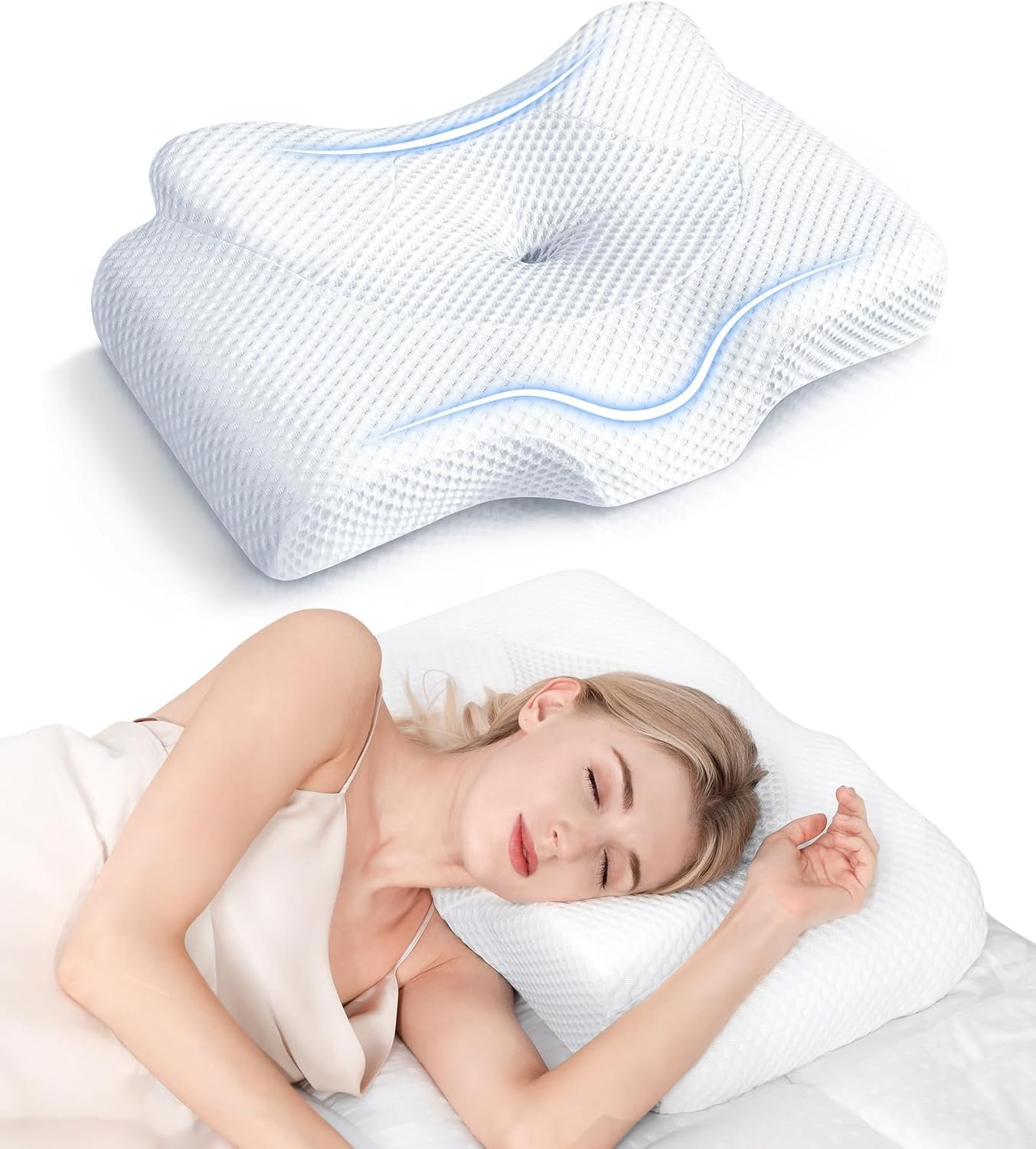

We may earn a commission from qualifying purchases at no extra cost to you. Prices and availability may change on Amazon.
Frequently Asked Questions
Sources & further reading
These authoritative resources informed the health guidance in this article.
About this guide
About the author
Alfredo Kofman is the independent publisher and editor of SleepSolutions.com. He organizes each guide around authoritative sources, clear safety boundaries, and transparent product disclosures. He is not a physician or sleep specialist, and this guide has not been presented as clinician-reviewed.
Disclaimer: This content is for informational purposes only and is not medical advice. Always consult a qualified healthcare professional for diagnosis and treatment.