Lifestyle Guide
Lifestyle Changes for Sleep Apnea
Healthy changes can reduce risk and support treatment, but they should complement objective follow-up rather than replace prescribed care.
Written by Alfredo Kofman, Publisher & EditorEditorial standards
Lifestyle measures are part of long-term obstructive sleep apnea care, especially when weight, alcohol, smoking, inactivity, or sleep position contributes. Their effect varies, and improvement in snoring or body weight does not prove that apnea has resolved. Continue prescribed therapy until the treating clinician advises otherwise.
Weight Management When Relevant
Excess tissue around the neck and abdomen can increase airway collapsibility and affect breathing mechanics, but OSA can occur at any body size. For people with overweight or obesity, sustained weight loss may reduce severity and improve other health risks. A realistic plan may include nutrition care, physical activity, behavioral treatment, medicine, or bariatric evaluation based on individual needs.
Regular Physical Activity
Exercise supports cardiovascular health, daytime function, mood, and weight management. Some studies suggest it may improve OSA severity even without major weight loss, but it is not a guaranteed stand-alone treatment. Choose activity that fits current health and mobility, and seek medical guidance before starting vigorous exercise when relevant.
Alcohol, Sedatives, and Medicines
Alcohol near bedtime can relax airway muscles, worsen obstruction, and fragment sleep. Sedatives, opioids, and other medicines may affect breathing in different ways. Do not stop a prescribed medicine abruptly; ask the prescriber to review timing, dose, interactions, and safer alternatives.
Smoking and Nasal Health
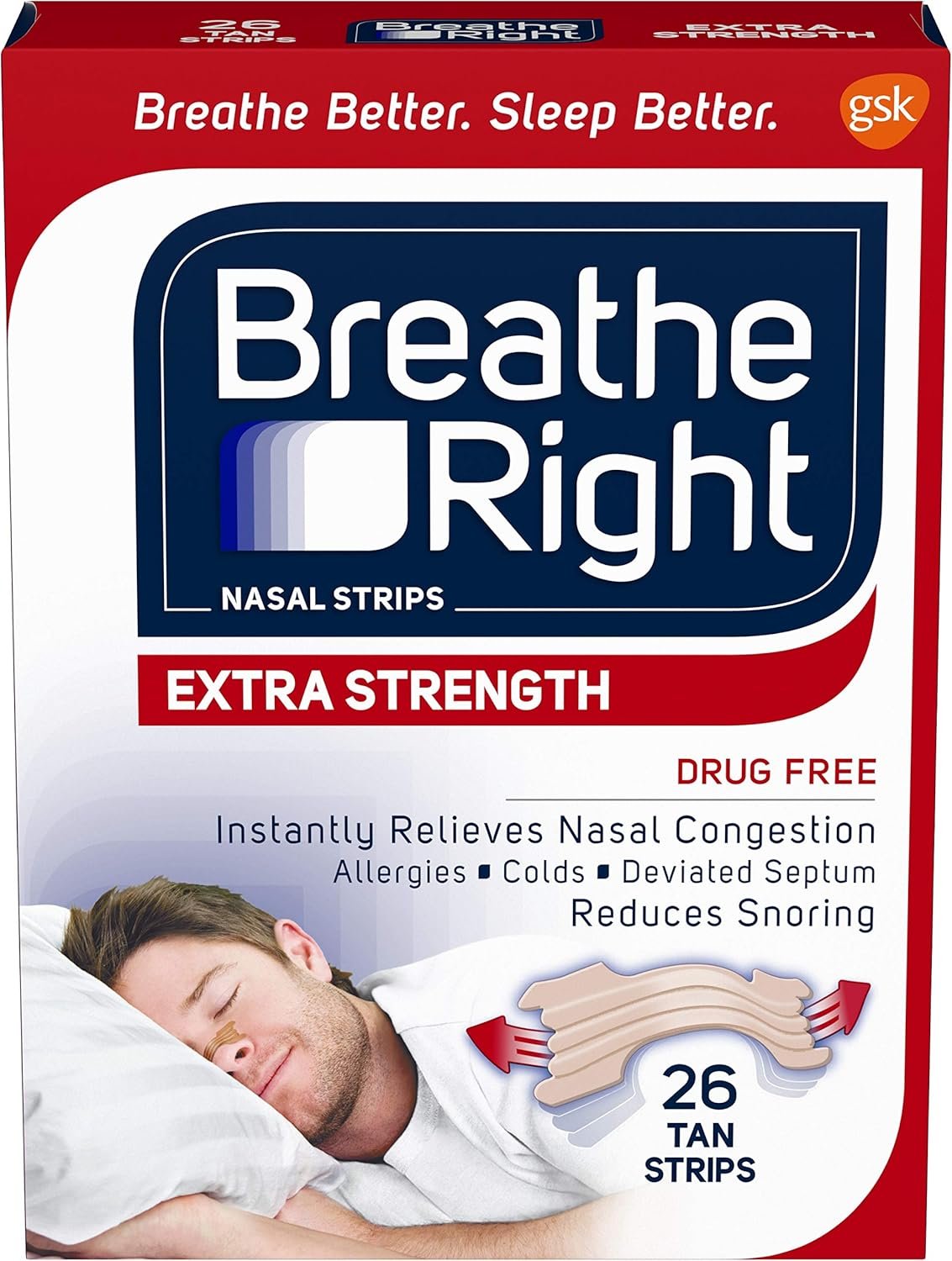
Smoking irritates the airway and harms cardiovascular and lung health, so quitting is beneficial even when its direct effect on AHI varies. Persistent nasal congestion can make both sleep and PAP use harder. A clinician can identify allergies, structural blockage, or medication-related congestion and recommend appropriate care.
Sleep Schedule and Position
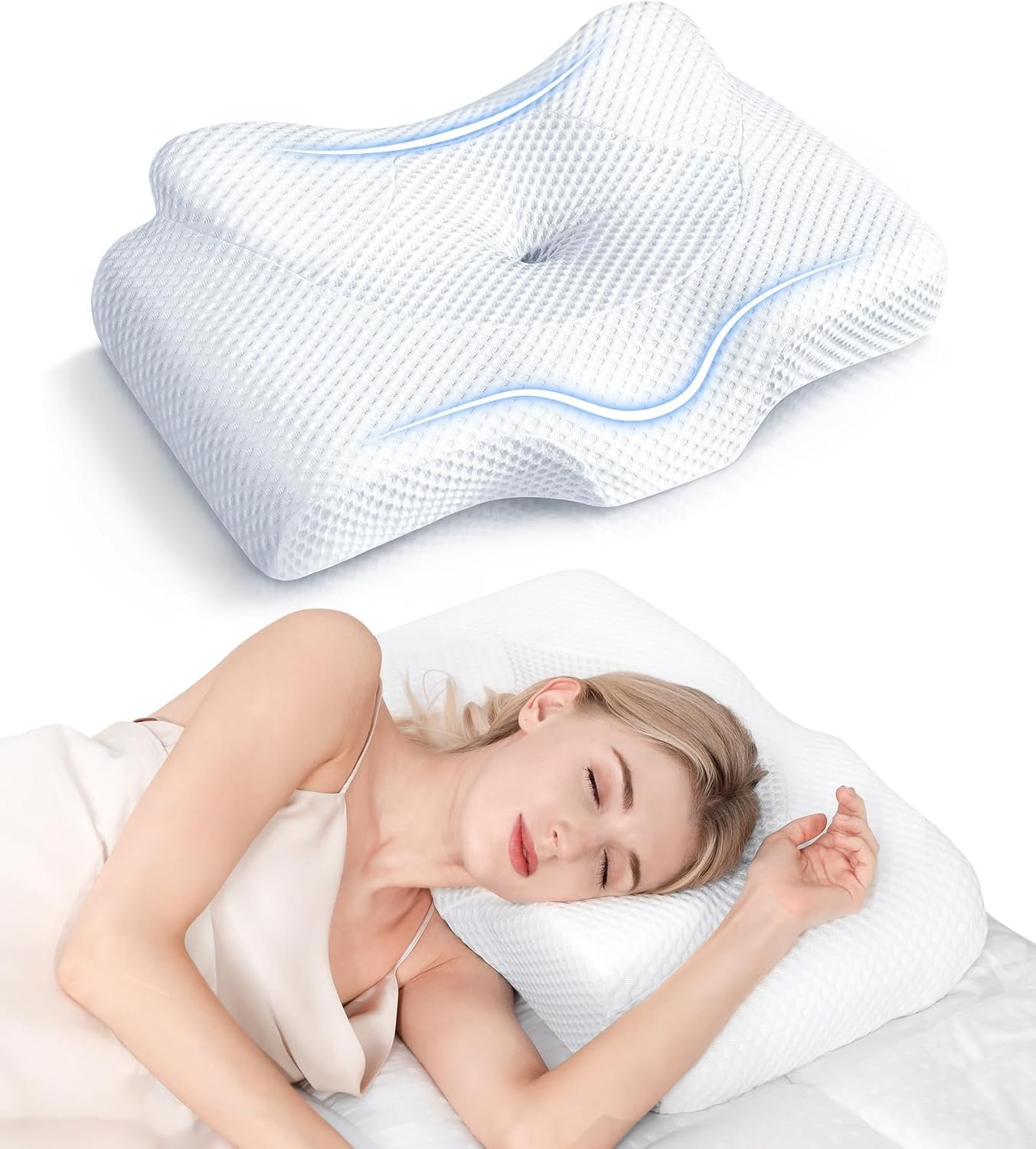
Insufficient or irregular sleep can worsen daytime impairment and make treatment harder to use consistently. Keep a stable sleep opportunity and use PAP for every sleep period. Side sleeping may reduce events in documented positional OSA, but it does not control disease that remains frequent off the back.
Reassessment After Meaningful Change
Substantial weight loss or gain, surgery, pregnancy, new medicines, or major symptom changes may alter treatment needs. Ask whether repeat testing or PAP data review is appropriate. Never assume that quieter snoring means it is safe to discontinue treatment.
Recommended Products
Relevant picks from our current product catalog. Compare features and suitability before buying.
We may earn a commission from qualifying purchases at no extra cost to you. Prices and availability may change on Amazon.
Frequently Asked Questions
Sources & further reading
These authoritative resources informed the health guidance in this article.
Related Guides
About this guide
About the author
Alfredo Kofman is the independent publisher and editor of SleepSolutions.com. He organizes each guide around authoritative sources, clear safety boundaries, and transparent product disclosures. He is not a physician or sleep specialist, and this guide has not been presented as clinician-reviewed.
Disclaimer: This content is for informational purposes only and is not medical advice. Always consult a qualified healthcare professional for diagnosis and treatment.