Sound Types
White, Pink & Brown Noise for Sleep
Noise colors describe how energy is distributed across frequencies; they are not rankings of which sound is best for sleep.
Written by Alfredo Kofman, Publisher & EditorEditorial standards
White, pink, and brown noise are technical descriptions that people experience as different textures of steady sound. Fan and nature tracks are separate categories chosen mostly for familiarity and comfort. Research does not establish one universal winner, so the useful choice is the quietest sound that masks the actual disturbance without becoming distracting.
White Noise
White noise contains equal energy per unit of frequency, which can make it sound bright or hiss-like. It may cover speech and other higher-frequency changes effectively, but some sleepers find the texture sharp. A label on an app or machine does not guarantee laboratory-pure white noise, so listen rather than relying on the name.
Pink Noise
Pink noise decreases in intensity as frequency rises, producing a more balanced or softer impression to many listeners. Some research has examined pink-noise stimulation, but protocols vary and may involve precisely timed pulses rather than ordinary all-night playback. Marketing should not be treated as proof of deeper sleep or memory improvement.
Brown Noise
Brown, or Brownian, noise places still more emphasis on lower frequencies and often sounds like a deep rumble. It can feel less hissy, but low-frequency-heavy playback may travel through walls or annoy a partner. Claims that brown noise treats anxiety, ADHD, or a sleep disorder require evidence beyond personal testimonials.
Fan Sounds and Mechanical Airflow
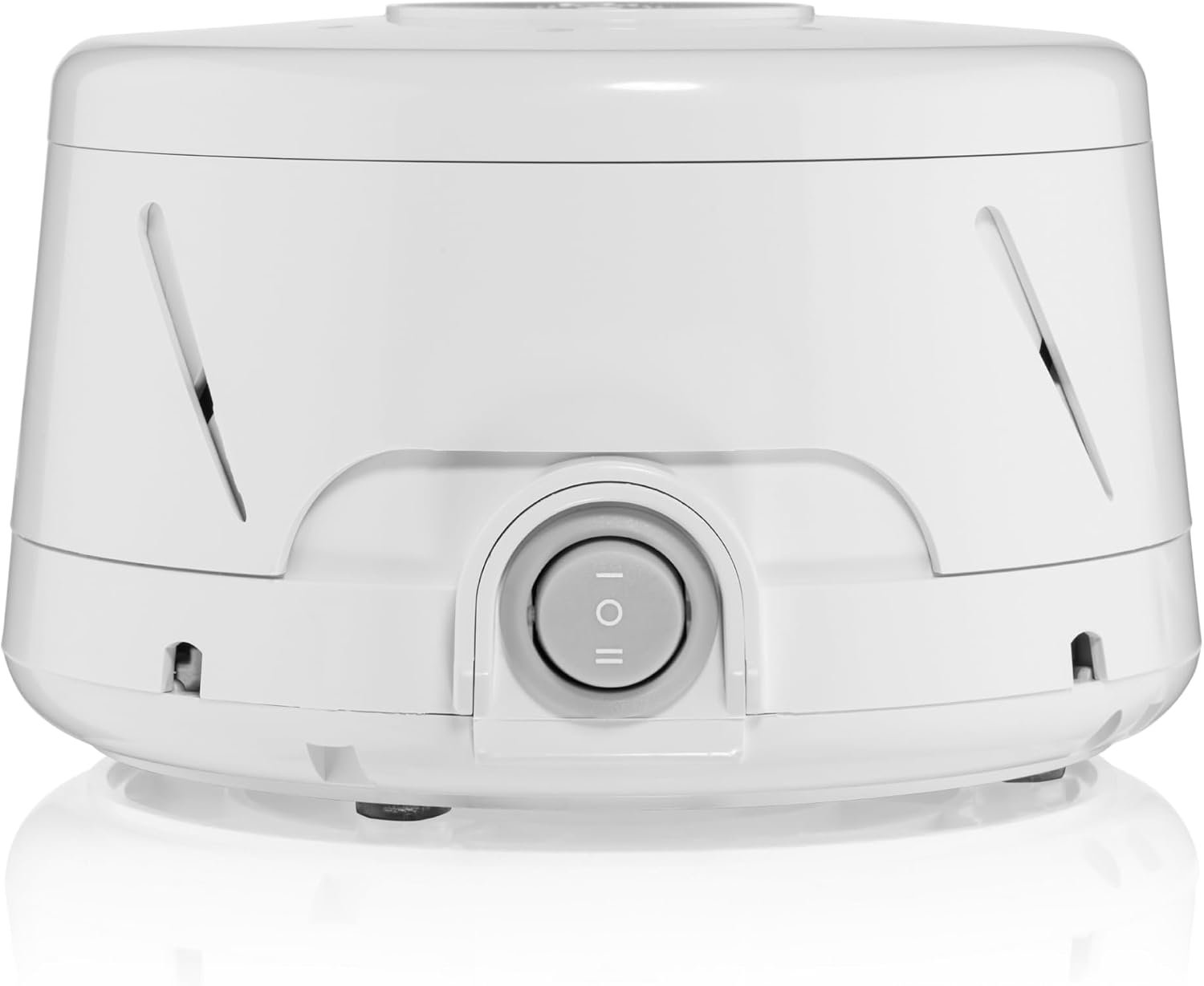
Fan sounds have tonal and airflow components rather than a textbook noise-color spectrum. A mechanical sound machine creates real airflow noise, while a digital device can imitate it. Many people choose fan sounds because they are familiar, steady, and less abstract than broadband noise.
Nature and Environmental Tracks
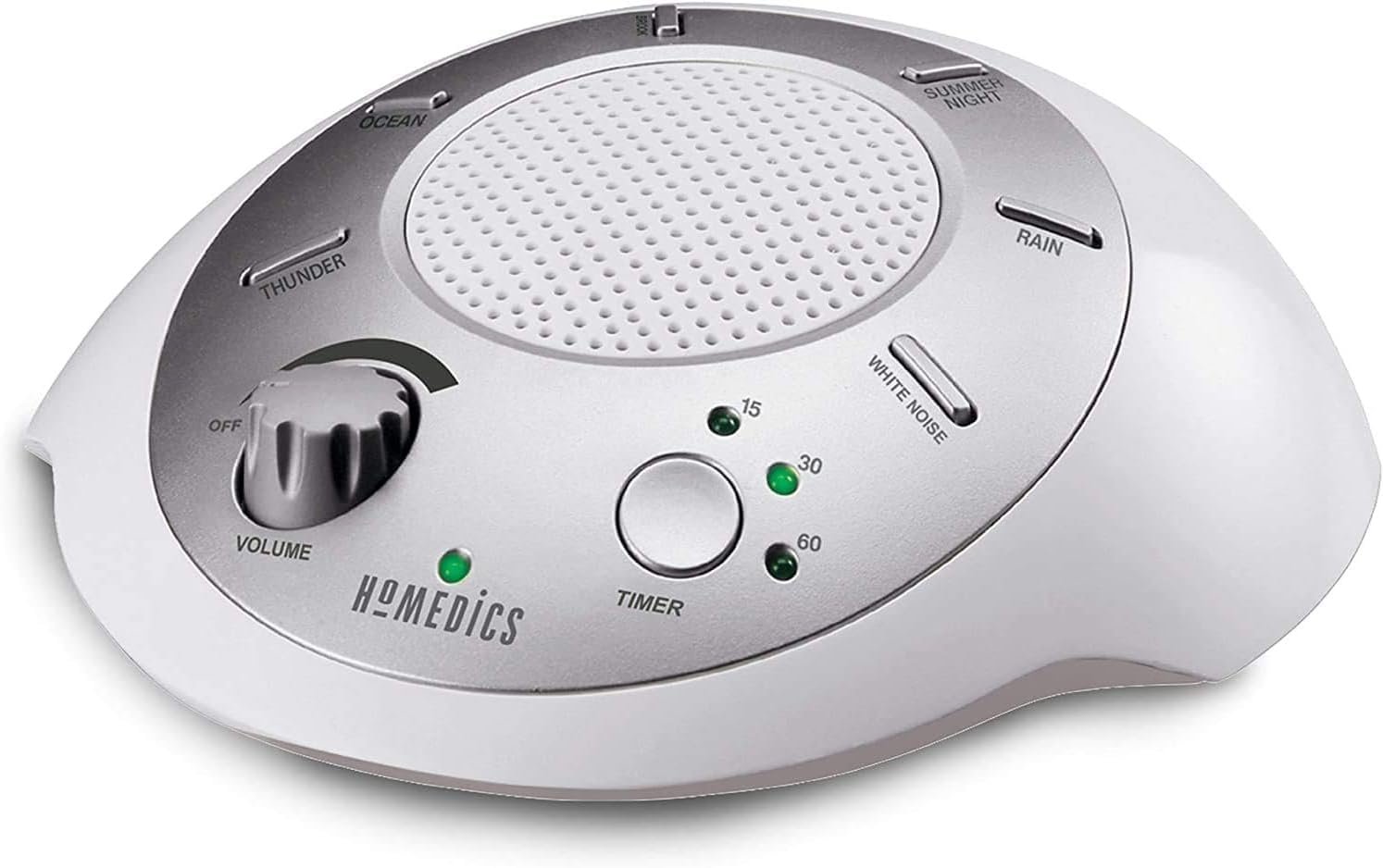
Rain, waves, streams, and wind can be relaxing when recordings are smooth and predictable. Bird calls, thunder, volume swells, short loops, or stereo movement can instead draw attention. Preview a full track where possible, because a calm first minute may hide later transitions.
Choose With a Low-Volume Comparison
Compare two or three options at the same comfortable loudness from the intended location. Notice whether the sound masks the target disturbance, becomes irritating, creates a detectable loop, or interferes with alarms. Preference and room acoustics are usually more actionable than a promise attached to a color.
Recommended Products
Relevant picks from our current product catalog. Compare features and suitability before buying.
We may earn a commission from qualifying purchases at no extra cost to you. Prices and availability may change on Amazon.
Frequently Asked Questions
Sources & further reading
These authoritative resources informed the health guidance in this article.
About this guide
About the author
Alfredo Kofman is the independent publisher and editor of SleepSolutions.com. He organizes each guide around authoritative sources, clear safety boundaries, and transparent product disclosures. He is not a physician or sleep specialist, and this guide has not been presented as clinician-reviewed.
Disclaimer: This content is for informational purposes only and is not medical advice. Always consult a qualified healthcare professional for diagnosis and treatment.