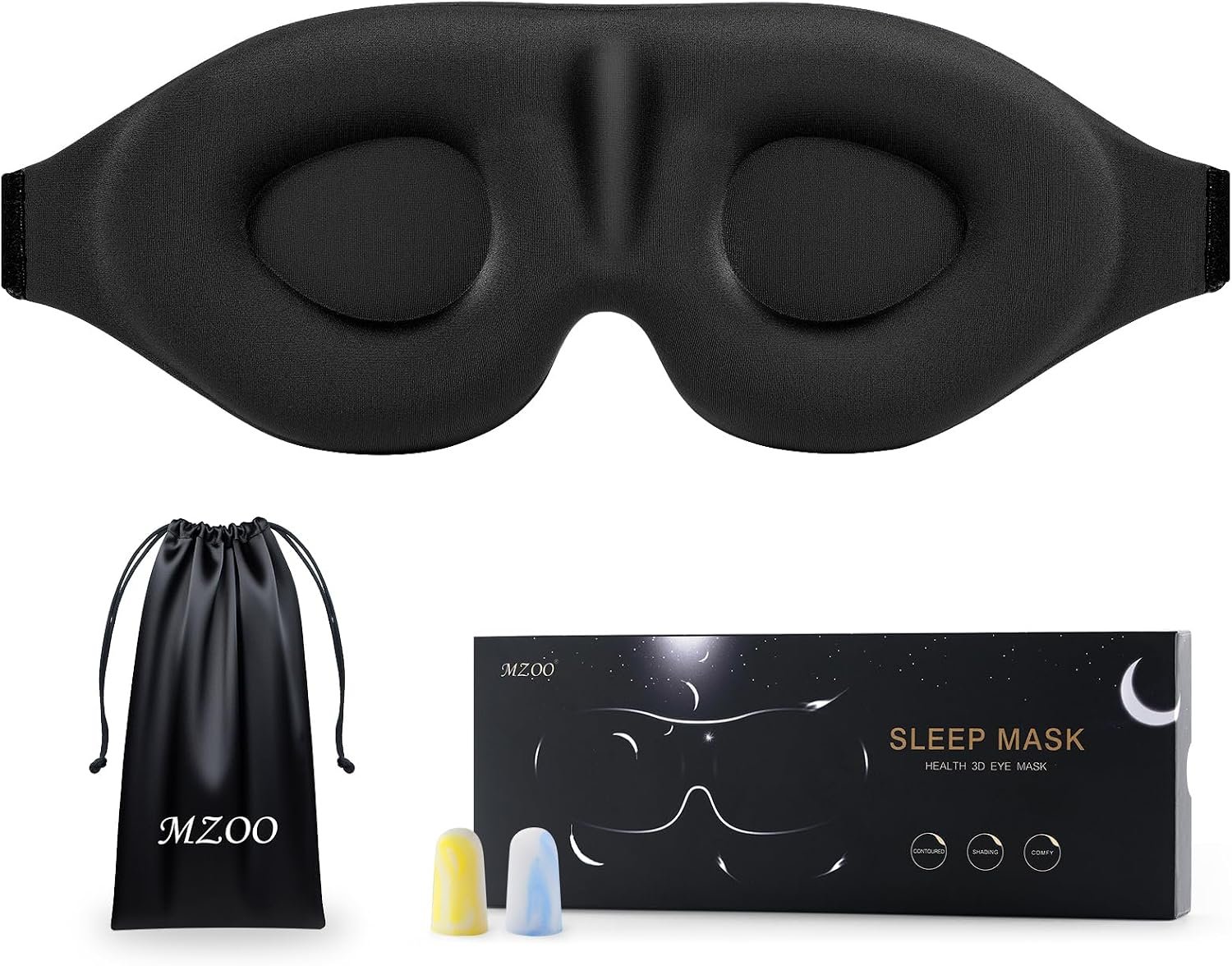
Sleep Nutrition Guide
Evening Food, Drinks and Sleep
Timing matters: common stimulants, sedatives, meals, and fluids can change how you fall asleep and stay asleep.
Written by Alfredo Kofman, Publisher & EditorEditorial standards
What you consume can affect alertness, digestion, breathing, and nighttime awakenings. There is no universal afternoon cutoff or perfect bedtime snack, so begin with established guidance and then adjust based on your sensitivity, health conditions, and medications.
Move Caffeine Earlier
Caffeine blocks sleep-pressure signals and its effects can last for hours. NHLBI notes that caffeine may interfere with sleep for up to eight hours. Count coffee, tea, cola, energy drinks, chocolate, pre-workout products, and some medicines, then move your last dose earlier if sleep onset is difficult.
Do Not Use Alcohol as a Sleep Aid
Alcohol may make you feel sleepy initially, but sleep can become lighter and more fragmented later in the night. It may also worsen sleep-disordered breathing. Avoid combining alcohol with sleep medicines or other sedating drugs; dangerous interactions can occur.
Give Large Meals Time to Settle
Heavy or large meals close to bed can cause discomfort and may aggravate reflux. NHLBI recommends avoiding them within a few hours of bedtime while noting that a light snack is acceptable. People with diabetes, reflux, pregnancy, or other conditions should follow individualized clinical guidance.
Balance Hydration and Nighttime Waking
Hydrate throughout the day instead of trying to catch up at bedtime. Large volumes late in the evening can increase bathroom trips, but aggressive fluid restriction is not appropriate for everyone. Frequent nighttime urination can have medical causes and deserves evaluation when persistent.
Remember Nicotine Is a Stimulant
Nicotine can interfere with sleep and may also produce overnight withdrawal symptoms. Avoid nicotine near bedtime, and seek evidence-based cessation support if you want to quit. Do not substitute unregulated sleep products for professional care.
Review Medicines and Supplements Safely
Decongestants, stimulants, corticosteroids, some asthma treatments, and other medicines may affect sleep, while sedating products can impair coordination or breathing. Never stop or retime a prescribed medicine without asking the prescriber or pharmacist.
Test Timing Instead of Chasing a Miracle Food
For one to two weeks, record timing and amount of caffeine, alcohol, meals, fluids, nicotine, and medicines alongside sleep. Change one factor at a time. Seek care for persistent insomnia, reflux, suspected sleep apnea, substance concerns, or unexplained fatigue.
Recommended Products
Relevant picks from our current product catalog. Compare features and suitability before buying.
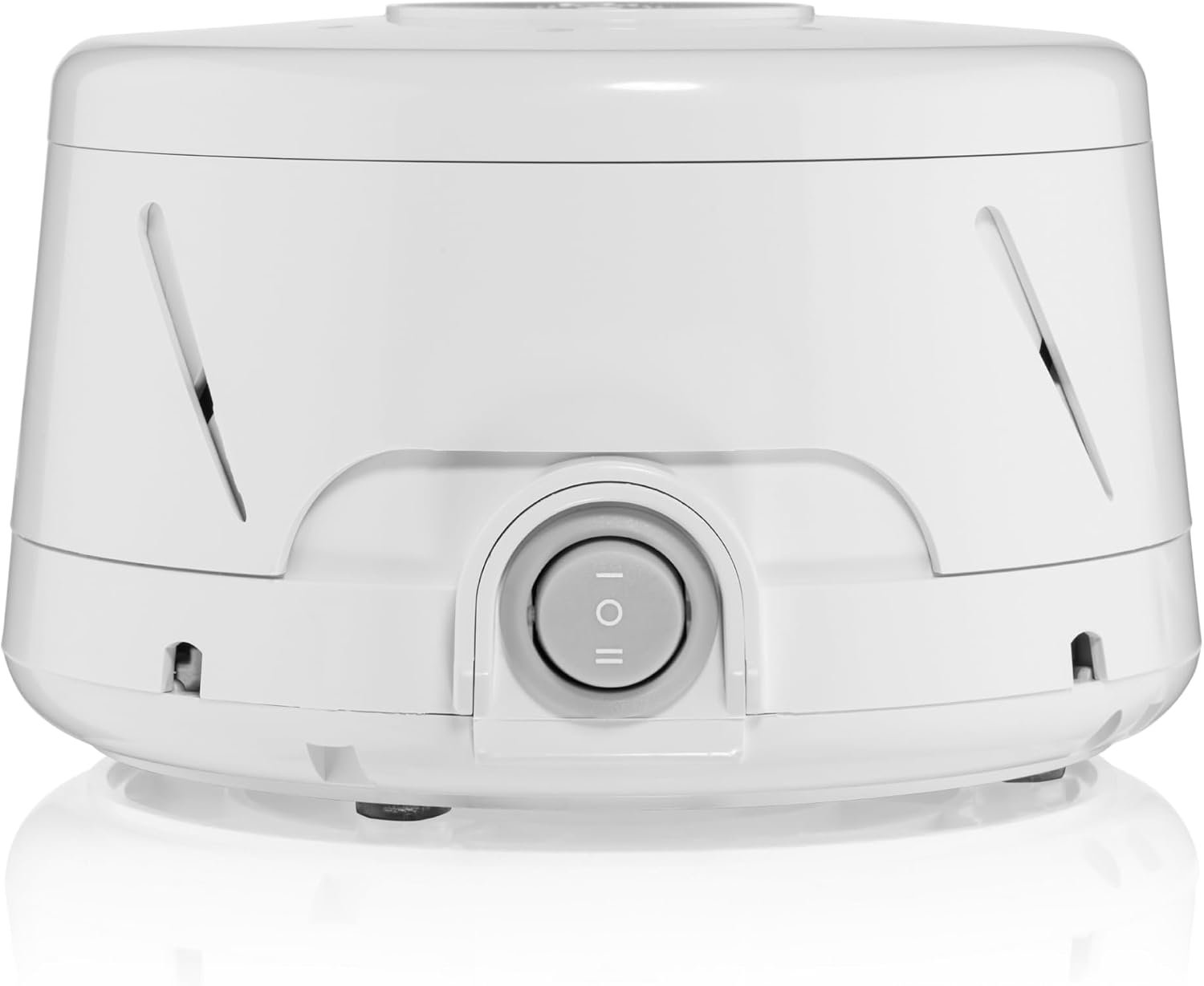
Yogasleep Dohm Classic White Noise Machine
View on Amazon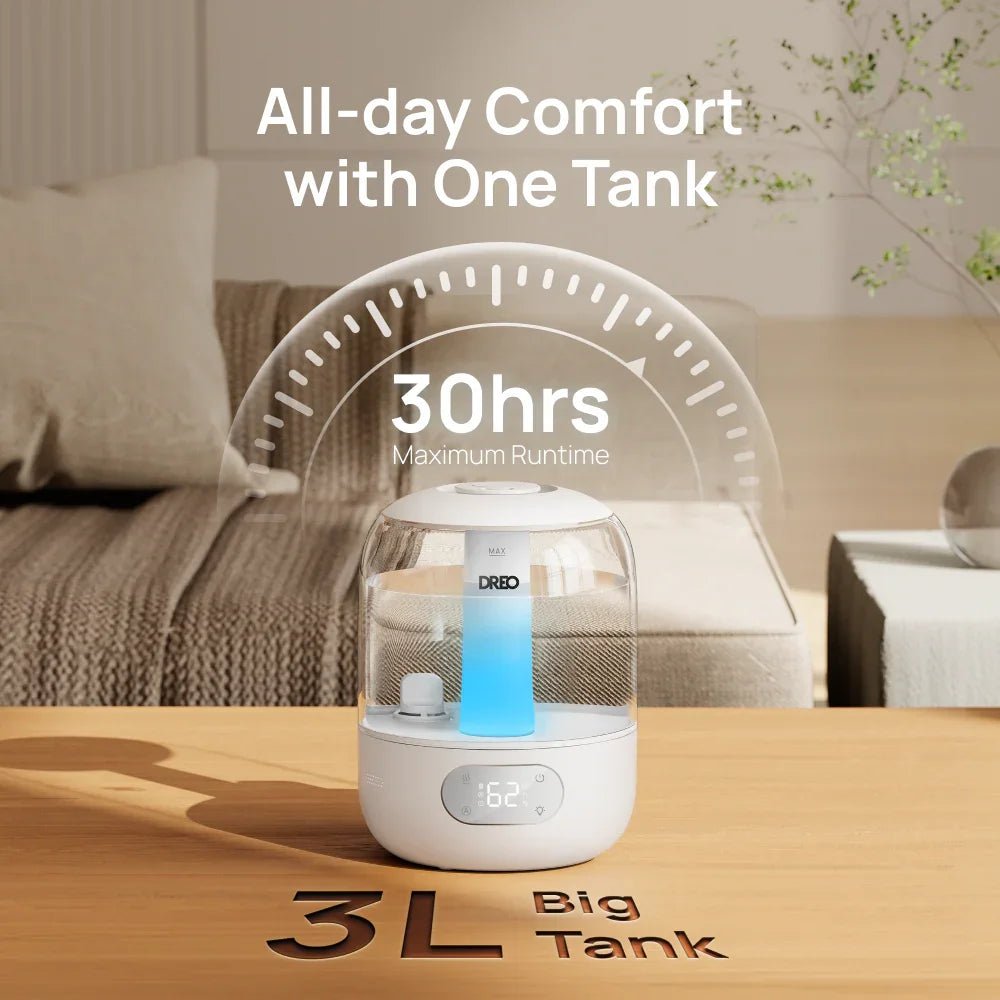
DREO HM306 3L Cool Mist Humidifier
View on AmazonWe may earn a commission from qualifying purchases at no extra cost to you. Prices and availability may change on Amazon.
Frequently Asked Questions
Sources & further reading
These authoritative resources informed the health guidance in this article.
About this guide
About the author
Alfredo Kofman is the independent publisher and editor of SleepSolutions.com. He organizes each guide around authoritative sources, clear safety boundaries, and transparent product disclosures. He is not a physician or sleep specialist, and this guide has not been presented as clinician-reviewed.
Disclaimer: This content is for informational purposes only and is not medical advice. Always consult a qualified healthcare professional for diagnosis and treatment.