Practical Trial
Test a Sound Machine Before You Commit
A short, structured trial reveals more than reviews because your noise source, room acoustics, hearing, partner, and preferences are unique.
Written by Alfredo Kofman, Publisher & EditorEditorial standards
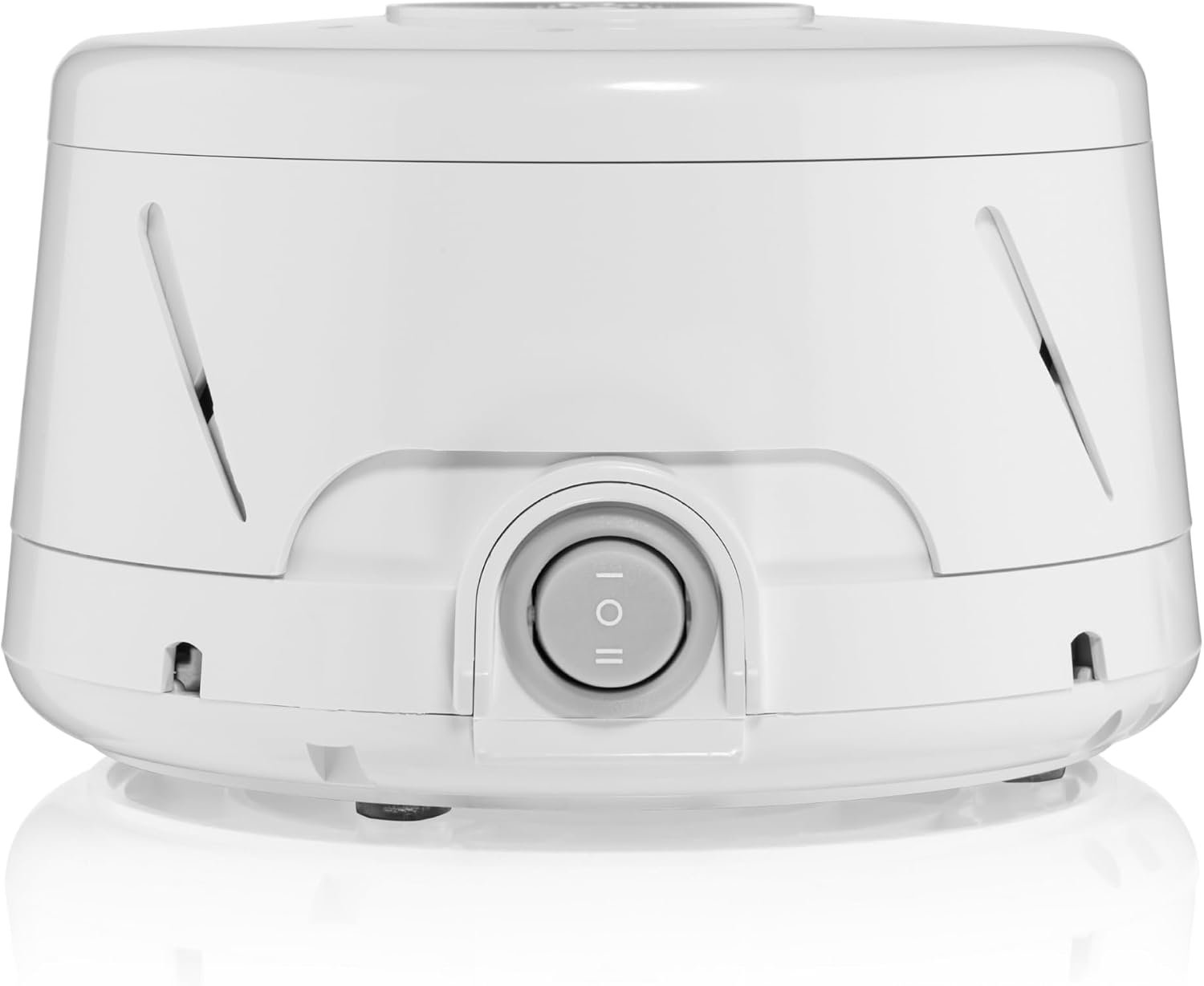
A sound machine is useful only if it solves a real disturbance without adding a new one. Test one setup consistently for several nights, keep volume low, and judge both nighttime comfort and next-day function. A return window is valuable because a sound that seems pleasant for five minutes may become distracting after hours.
Define the Problem First
Write down the specific sound you want to mask, when it happens, and how often it appears. Traffic peaks, hallway voices, plumbing, and a partner's schedule may respond differently. If there is no identifiable noise problem, adding continuous sound may offer little value.
Record a Brief Baseline
For three to seven nights, note bedtime, estimated sleep onset, awakenings linked to noise, final wake time, and next-day sleepiness. Avoid obsessing over exact minutes or consumer sleep-stage scores. The baseline provides context so one unusually good or bad night does not determine the purchase.
Change One Variable at a Time
Start with one sound, one location, and the lowest effective volume. Keep the setup stable for several nights before comparing another sound or a timer. Changing color, loudness, placement, bedtime, caffeine, and room temperature together makes it impossible to know what helped.
Check Comfort and Safety
From the pillow, confirm the sound is steady, non-irritating, and not visibly bright. Test required alarms and alerts with the machine running. Ask a partner whether the sound travels or disrupts them. For children, keep the device well away from the sleep space and use particularly conservative settings.
Judge the Whole-Day Result
Useful outcomes include fewer noise-linked awakenings, easier return to sleep, acceptable comfort, and stable or improved daytime alertness. A lower sleep-app score does not necessarily mean failure, and quieter snoring does not rule out sleep apnea. Look for a repeatable pattern rather than perfection.
Know When to Return It or Seek Help
Return the machine if masking requires an intrusive volume, loops become distracting, controls are frustrating, lights cannot dim, or alarms become hard to hear. Stop for ear symptoms. Persistent insomnia, breathing pauses, gasping, severe sleepiness, or unsafe drowsy driving needs professional evaluation rather than another sound setting.
Recommended Products
Relevant picks from our current product catalog. Compare features and suitability before buying.
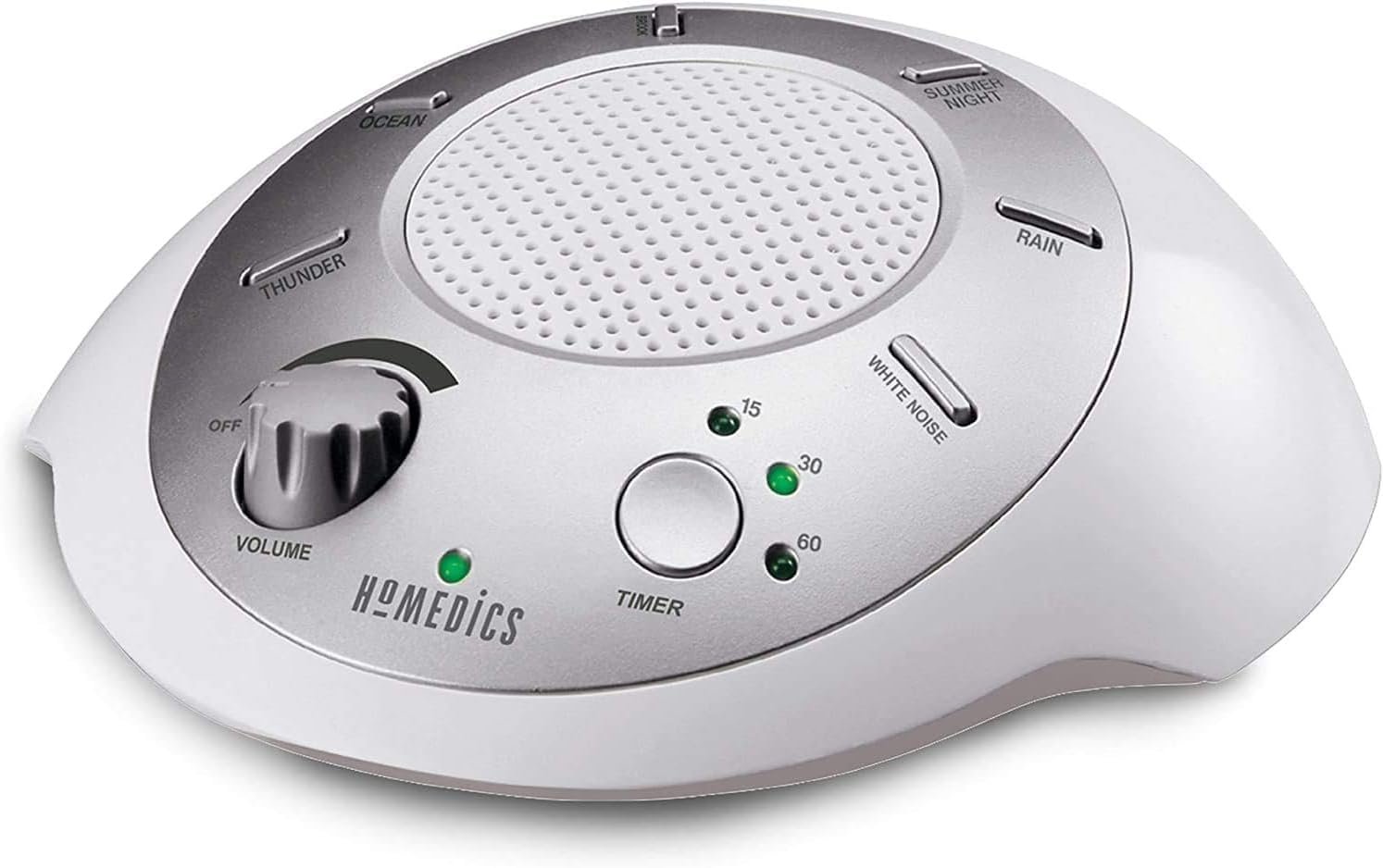
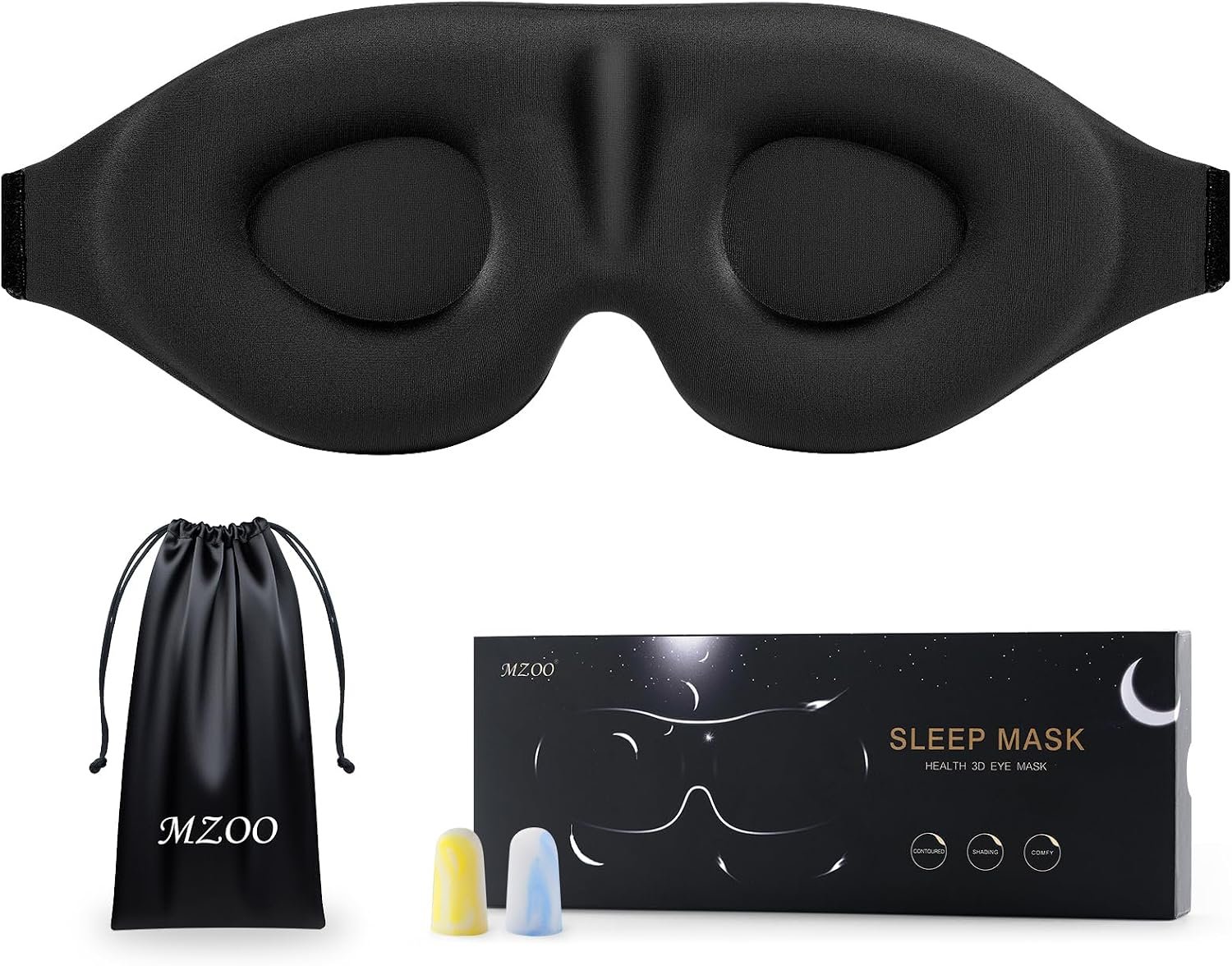
We may earn a commission from qualifying purchases at no extra cost to you. Prices and availability may change on Amazon.
Frequently Asked Questions
Sources & further reading
These authoritative resources informed the health guidance in this article.
Related Guides
About this guide
About the author
Alfredo Kofman is the independent publisher and editor of SleepSolutions.com. He organizes each guide around authoritative sources, clear safety boundaries, and transparent product disclosures. He is not a physician or sleep specialist, and this guide has not been presented as clinician-reviewed.
Disclaimer: This content is for informational purposes only and is not medical advice. Always consult a qualified healthcare professional for diagnosis and treatment.