Bedroom Guide
Create a Sleep Sanctuary
Design a darker, quieter, calmer bedroom that makes rest the default.
Written by Alfredo Kofman, Publisher & EditorEditorial standards
A sleep sanctuary does not need to look like a luxury hotel. It needs to reduce the signals and interruptions that compete with sleep. Start with the change most likely to disturb you—light, noise, temperature, comfort, or devices—then improve the room one layer at a time.
Make Darkness the Default
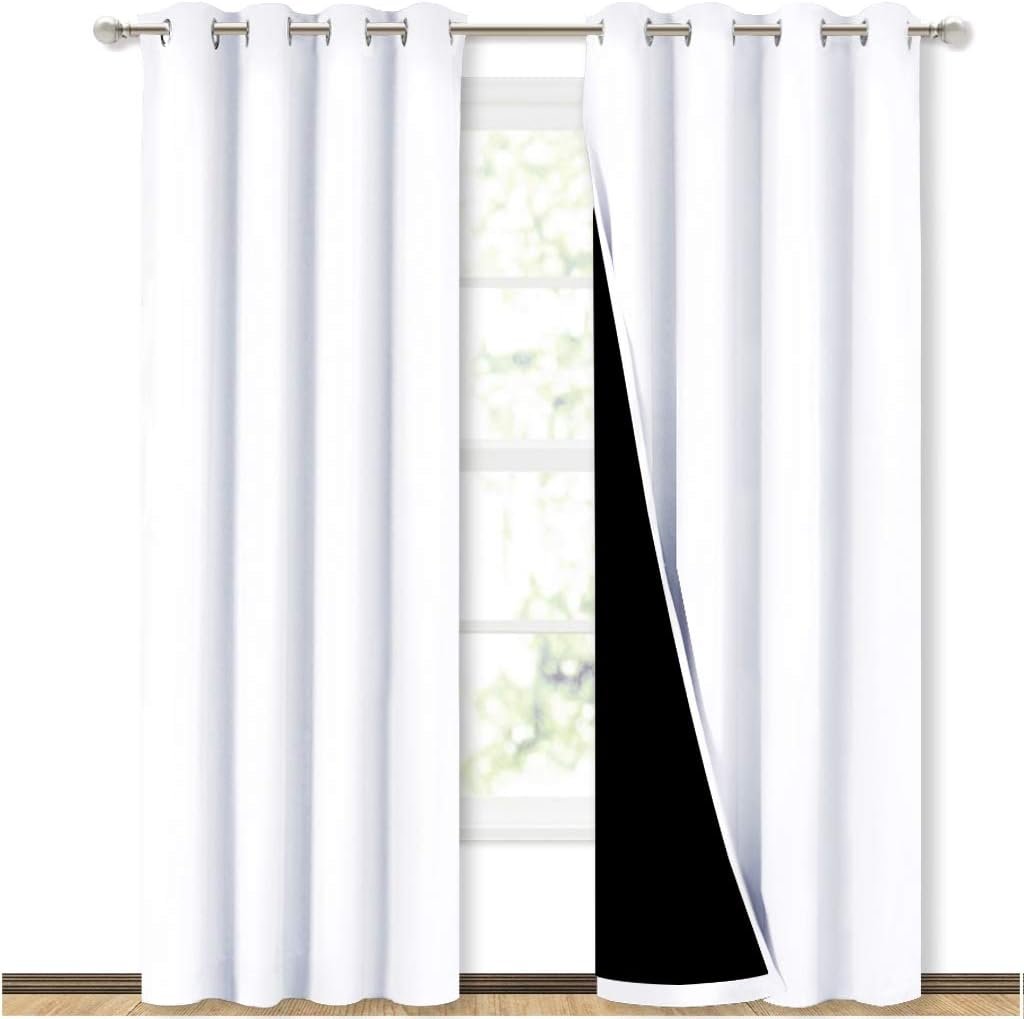
Light is a powerful timing signal for the body clock. Use curtains or shades that block outdoor light, cover distracting indicator lights, and dim the room as bedtime approaches. An eye mask is a flexible alternative when you cannot fully control the space, especially while traveling or sleeping during the day.
Reduce Unpredictable Noise
Sudden or changing sounds are often more disruptive than a steady background. Silence nonessential alerts, close doors or windows when practical, and consider earplugs, a fan, or consistent background sound. Keep alarms and safety signals audible, and choose an earplug fit that does not create discomfort.
Keep the Room Comfortably Cool
A cool bedroom supports the body's natural nighttime temperature shift, but there is no single perfect setting for everyone. Adjust bedding, sleepwear, airflow, and room temperature together. People with infants, older adults, or medical conditions should prioritize individual safety and comfort over a universal thermostat number.
Choose Comfort, Not Hype
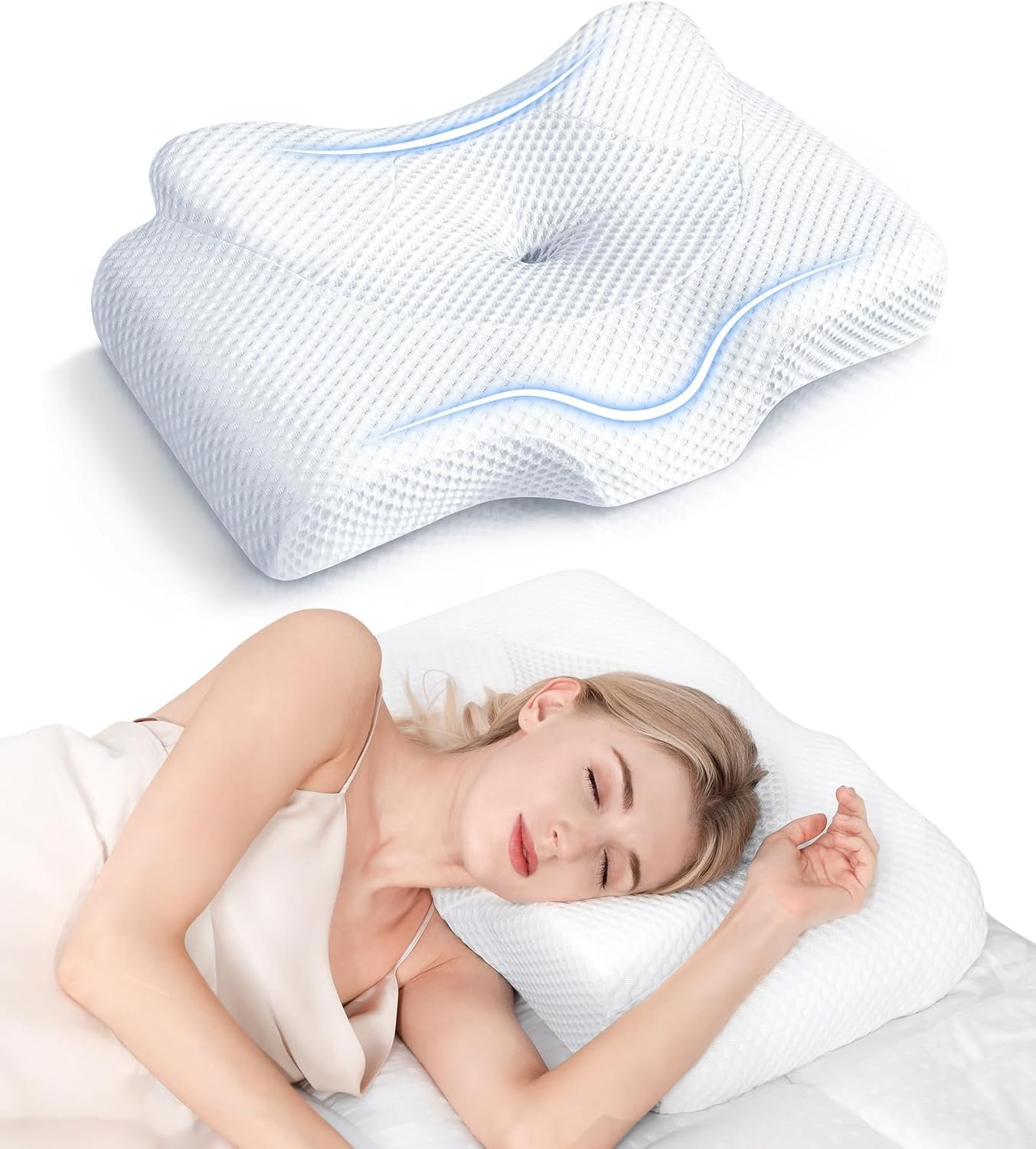
A mattress and pillow should support a comfortable position without persistent pressure or pain. Price alone does not guarantee a better fit, and there is no one material that works for every sleeper. If you wake sore, inspect pillow height, mattress support, and sleeping position before replacing everything at once.
Give Screens and Work a Boundary
Charge the phone away from the bed when possible, disable nonessential notifications, and avoid turning the bedroom into an office or entertainment hub. Reserving the bed mainly for sleep and intimacy can strengthen its association with rest. If you must use a device, lower brightness and choose a clear stopping time.
Run a Seven-Night Bedroom Audit
For one week, note the time and cause of each remembered disruption: light, sound, temperature, pets, a partner, discomfort, or alerts. Change one major factor and observe the result before buying multiple products. Persistent awakenings may have a medical or behavioral cause that a room makeover alone cannot solve.
Recommended Products
Relevant picks from our current product catalog. Compare features and suitability before buying.
We may earn a commission from qualifying purchases at no extra cost to you. Prices and availability may change on Amazon.
Frequently Asked Questions
Sources & further reading
These authoritative resources informed the health guidance in this article.
About this guide
About the author
Alfredo Kofman is the independent publisher and editor of SleepSolutions.com. He organizes each guide around authoritative sources, clear safety boundaries, and transparent product disclosures. He is not a physician or sleep specialist, and this guide has not been presented as clinician-reviewed.
Disclaimer: This content is for informational purposes only and is not medical advice. Always consult a qualified healthcare professional for diagnosis and treatment.