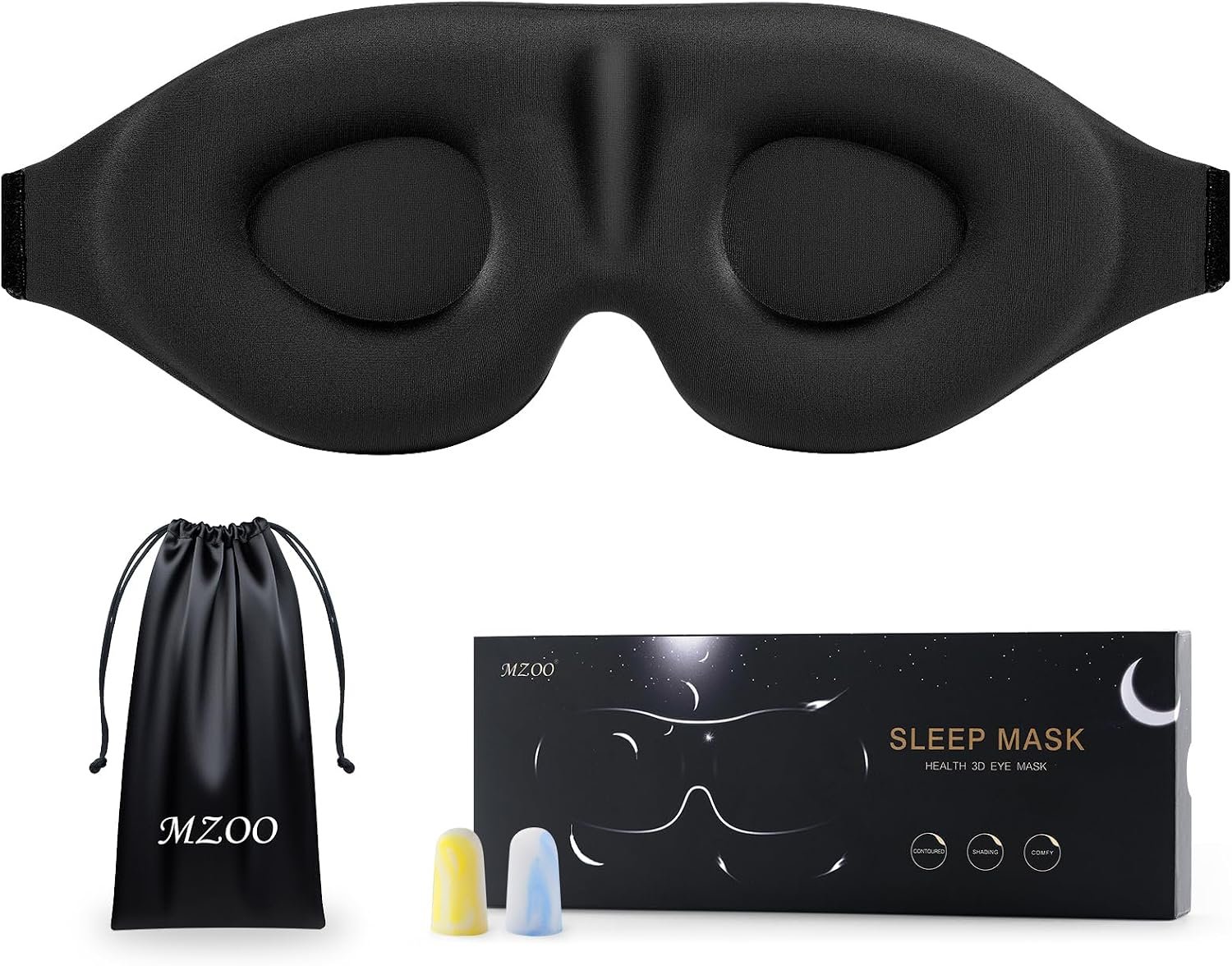
Bedtime Routine Guide
Create a Calmer Pre-Sleep Routine
A repeatable wind-down can separate the demands of the day from the conditions you need for sleep.
Written by Alfredo Kofman, Publisher & EditorEditorial standards
A pre-sleep routine is a short sequence of low-demand activities performed in a similar order before bed. Its value comes from reducing stimulation and making the transition to sleep predictable, not from completing a perfect checklist.
Choose a Realistic Wind-Down Window
Reserve roughly the final 30 to 60 minutes before bed for quieter activity when your schedule allows. A shorter routine you repeat is more useful than an elaborate plan you abandon. Begin at a time that still leaves enough opportunity for sleep.
Lower Light and Digital Stimulation
Dim bright room lighting and pause optional phone, computer, and television use. CDC recommends turning off electronic devices at least 30 minutes before bedtime. If a device is necessary, reduce brightness and avoid content that keeps you emotionally or mentally activated.
Use Simple, Repeatable Cues
Changing clothes, brushing teeth, preparing the room, reading something calm, gentle stretching, or taking a warm bath can form a reliable sequence. Choose activities that feel neutral or relaxing to you rather than copying someone else's ritual.
Move Planning Out of Bedtime
If tomorrow's tasks or worries become louder at night, set aside a brief planning period earlier in the evening. Write down the next action for each concern, then close the list. The goal is not to eliminate every thought but to avoid turning bed into a workspace.
Go to Bed When Sleepy
A scheduled wind-down does not require forcing sleep at an exact minute. If you are alert and frustrated, a quiet activity outside bed may be more helpful than clock-watching. Persistent difficulty falling asleep may respond better to clinician-guided CBT-I than to sleep hygiene alone.
Adapt the Routine to Real Life
Parents, caregivers, shift workers, and people with variable schedules may need a compact version. Keep two or three anchor cues—such as lower light, hygiene, and quiet reading—even when timing changes. Avoid making a missed step feel like a failed night.
Review What Actually Helps
Try the same routine for one to two weeks and note sleep onset, nighttime waking, and how you feel the next day. Remove activities that add pressure or delay bedtime. Seek medical help for chronic insomnia, breathing pauses, or significant daytime impairment.
Recommended Products
Relevant picks from our current product catalog. Compare features and suitability before buying.
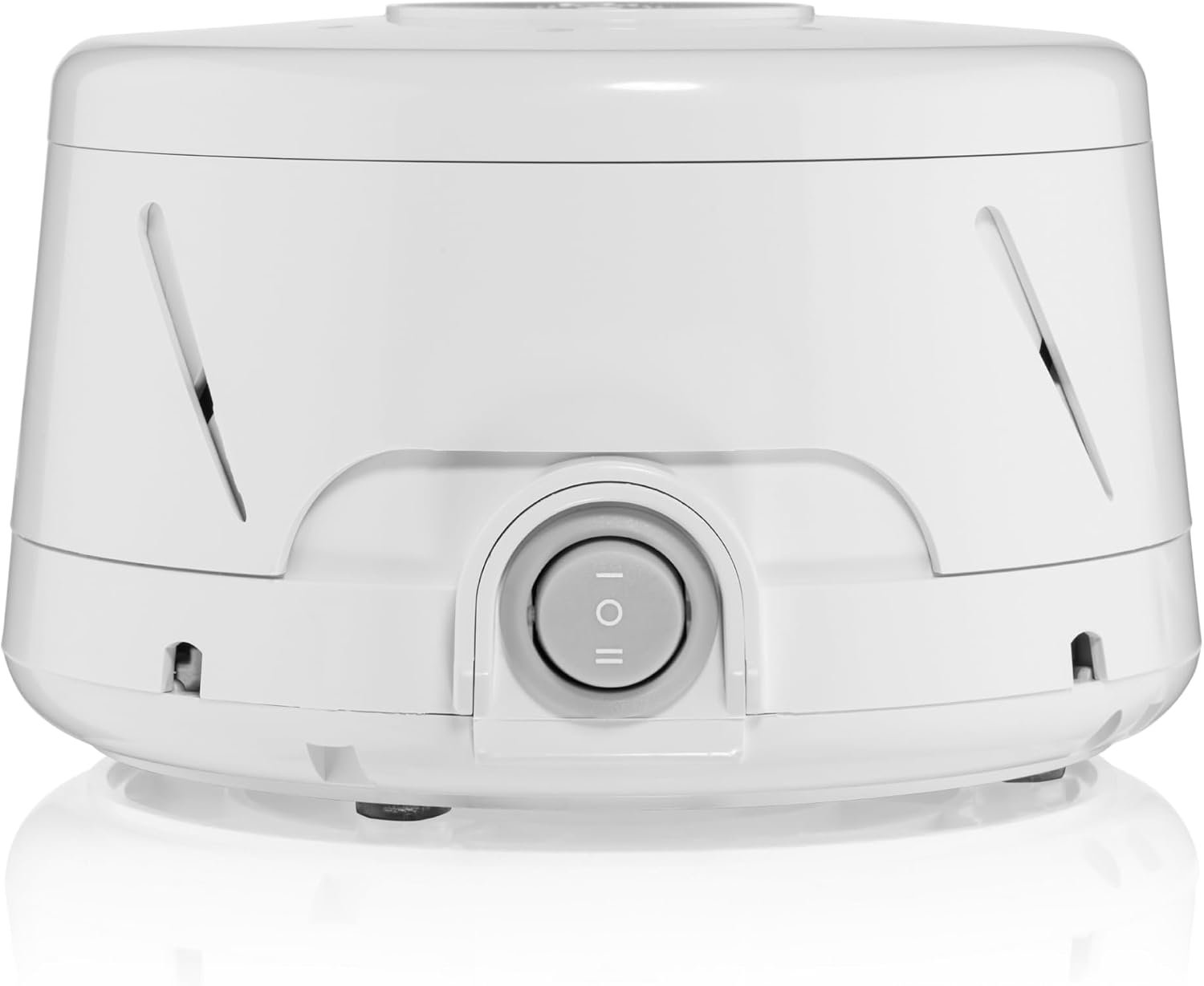
Yogasleep Dohm Classic White Noise Machine
View on Amazon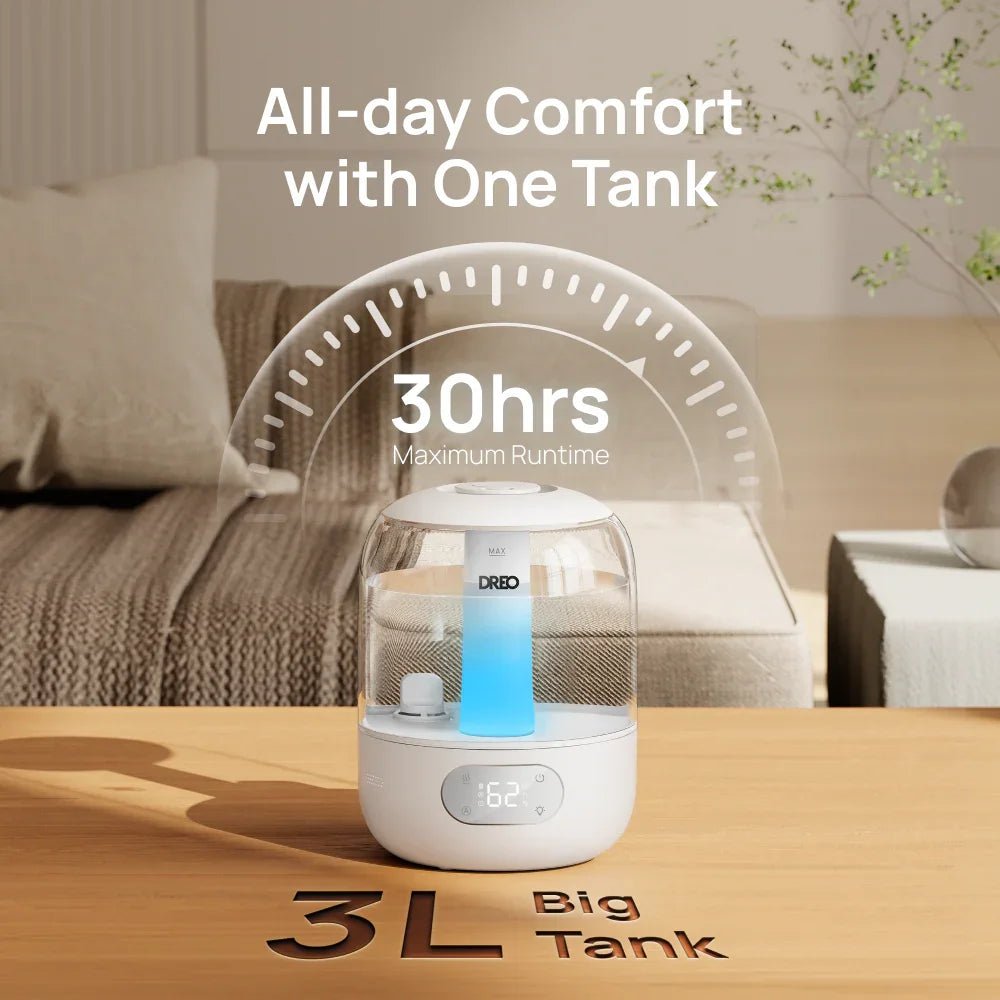
DREO HM306 3L Cool Mist Humidifier
View on AmazonWe may earn a commission from qualifying purchases at no extra cost to you. Prices and availability may change on Amazon.
Frequently Asked Questions
Sources & further reading
These authoritative resources informed the health guidance in this article.
About this guide
About the author
Alfredo Kofman is the independent publisher and editor of SleepSolutions.com. He organizes each guide around authoritative sources, clear safety boundaries, and transparent product disclosures. He is not a physician or sleep specialist, and this guide has not been presented as clinician-reviewed.
Disclaimer: This content is for informational purposes only and is not medical advice. Always consult a qualified healthcare professional for diagnosis and treatment.